


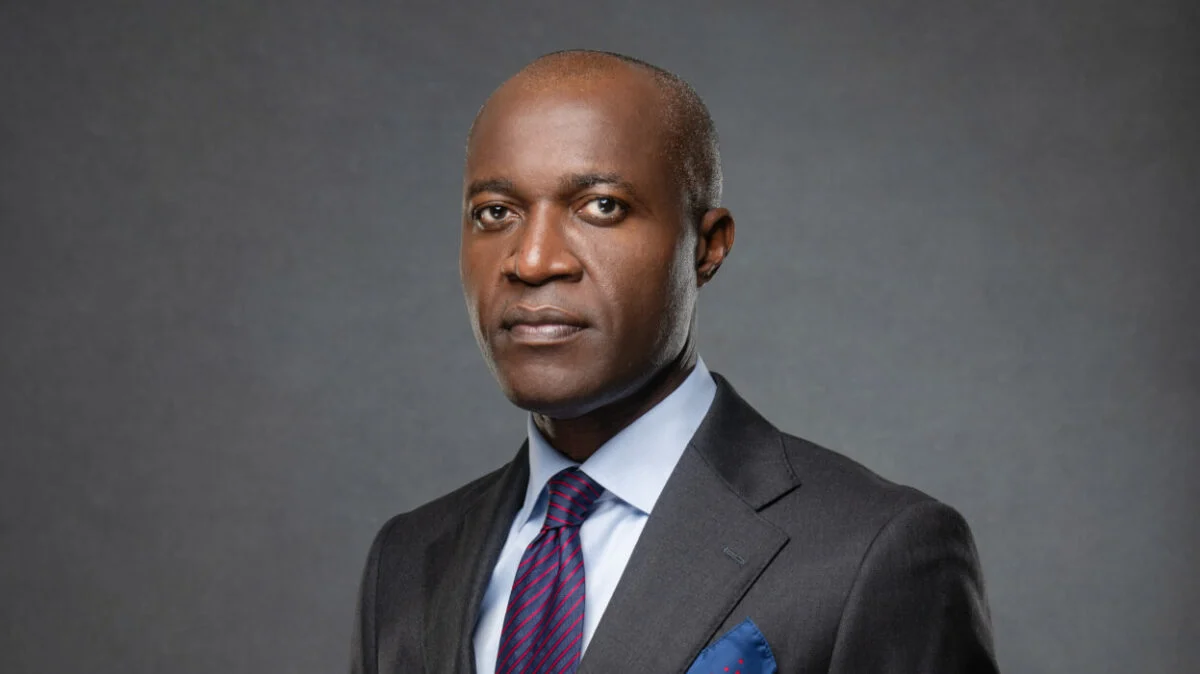
The recent acquisition of a £15 million mansion in London’s prestigious Hampstead district, famously known as Billionaires’ Row, by Roosevelt Ogbonna, CEO of Access Bank Plc, has ignited significant debate among civil society groups and shareholders.
Purchased in August, the estate boasts high-end features such as a spa and an entertainment complex, with the property having been valued at £15 million since 2021.
According to a UK regulatory filing reported by Bloomberg, Ogbonna, who has helmed Nigeria’s largest bank by asset size for over three years, finalized the purchase last August.
Transparency International Nigeria, alongside other advocacy organizations, has voiced serious apprehensions, suggesting that such extravagant acquisitions by banking executives could be symptomatic of money laundering schemes involving public officials who exploit bankers and legal professionals as intermediaries.
Auwal Musa Rafsanjani, head of Transparency International Nigeria, remarked, “The critical issue here is the necessity for full asset and tax disclosure to the government, alongside a clear account of the source of these funds. We have urged UK authorities to broaden the scope of their unexplained wealth legislation. If he qualifies as a public officer, transparency about the origin of his wealth is mandatory. Politicians are increasingly aware that UK laws prevent them from illicitly acquiring wealth and concealing it through property purchases. Consequently, they often rely on lawyers and bankers to mask these transactions.”
“Regrettably, some legal and financial professionals have become conduits for illicit funds, enabling public officials to obscure stolen wealth by registering properties under false private ownership,” Rafsanjani added.
He further called on the Federal Inland Revenue Service (FIRS) to probe why such substantial wealth transfers abroad have not been matched by corresponding tax declarations within Nigeria.
“It is imperative that he clarifies the origin of his wealth. The unexplained wealth laws should extend beyond public officials to encompass those who facilitate the movement or concealment of public funds under false pretenses,” Rafsanjani emphasized.
“CISLAC urges the FIRS to intensify scrutiny over certain financial institutions that consistently evade asset declarations. Combating corruption is impossible without addressing malpractices within the financial sector itself.”
Rafsanjani highlighted the lack of transparency in asset declarations and tax compliance among Nigerian banks, which he believes creates vulnerabilities exploited by corrupt individuals.
“As CEO, he does not have unilateral control over the bank’s resources; a board supervises operations. The failure of banks to disclose assets and fulfill tax obligations opens doors for corrupt activities,” he explained.
He reiterated the need for the FIRS to investigate the unexplained transfer of large sums abroad without adequate tax reporting in Nigeria.
“Such a high-profile purchase amid widespread economic hardship in Nigeria raises serious ethical questions,” Rafsanjani stated, warning that legal and banking professionals might be complicit in channeling stolen national wealth disguised as personal assets.
Shareholders have expressed varied opinions, though all stress the importance of transparency. Boniface Okezie, national coordinator of the Progressive Shareholders Association of Nigeria (PSAN), acknowledged an individual’s right to invest personal earnings freely but voiced concern over the trend of Nigerians diverting wealth overseas rather than supporting domestic growth.
“If the funds used were legitimately earned, the purchase is within his rights. However, this trend of investing abroad risks weakening local economic development. Our priority should be fostering investments that generate employment and strengthen Nigerian industries,” Okezie noted.
Patrick Ajudua, national chairman of the New Dimension Shareholders Association, echoed these sentiments, emphasizing shareholders’ focus on returns and safeguarding their investments.
“Provided the transaction is lawful and transparent, it should not negatively impact shareholders. Nonetheless, regulatory bodies must verify compliance with all relevant laws,” Ajudua stated.
Conversely, Isaac Botti, programme officer at Social Action Nigeria, defended Ogbonna, underscoring that as a private-sector leader, his personal wealth and expenditures warrant limited public scrutiny.
“He is not a public servant; therefore, his private financial decisions are not subject to public accountability unless there is proof of fraud or mismanagement affecting the bank,” Botti explained.
He suggested that efforts should concentrate more on systemic corruption within financial institutions rather than on individual executives’ personal purchases.
Ogbonna has been at the helm of Access Bank, Nigeria’s largest by assets, for over three years. In August, he stepped down as a non-executive director of Access Holdings Plc, the bank’s parent company, while retaining his CEO position.
The bank is aggressively pursuing a strategy to double its assets outside Nigeria by 2027. It currently operates across approximately 24 countries in Africa, the Middle East, and Europe, serving a customer base exceeding 63 million.