


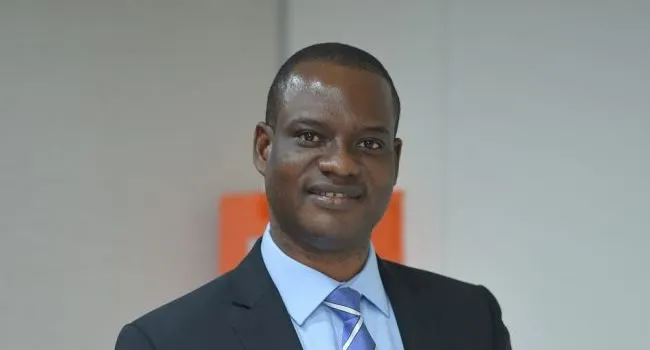
Chairman of the Presidential Fiscal Policy and Tax Reforms Committee, Taiwo Oyedele, has stated that more than 90 percent of operators in Nigeria’s informal sector lack the financial capacity to pay taxes.
Speaking at an interactive session with journalists, influencers, and policy analysts on Friday, Oyedele said available data contradicts the popular belief that the country’s untapped revenue potential lies in the informal economy.
He noted that the government’s attempt to tax this segment has led to the proliferation of multiple taxes without significant returns.
“Over 90 percent of people in the informal sector are merely struggling to survive. They are not evading taxes—they simply lack the capacity to pay,” Oyedele said. “A roadside corn seller, a vulcaniser, or a wheelbarrow pusher may work all day and still remain poor. Such people should not be taxed.”
According to him, this principle underpins President Bola Tinubu’s directive that poverty and capital must not be taxed.
“We should not tax seeds; we should wait for the fruits,” Oyedele added.
The fiscal policy chief further revealed that the newly enacted tax laws have introduced stricter accountability measures and heavier penalties for evasion, both for taxpayers and professionals in the system.
He disclosed that the Federal Inland Revenue Service (FIRS) collected over ₦20 trillion in taxes last year and is on course to surpass that figure in 2025, thanks to the reforms that have improved efficiency and transparency.
“The new laws have strengthened governance and accountability. Tax officers can now be held personally liable for negligence,” he said. “All revenues now go directly into the federation account, eliminating leakages and opaque practices.”
Oyedele also acknowledged that corruption within the tax system had involved taxpayers, consultants, and officials alike, but assured that the new legal framework now addresses all parties.
“Tax evasion is now more costly under the new laws,” he explained. “Tax agents are monitored, officers are accountable, and the system is more transparent. Overall, these reforms are taking Nigeria’s tax administration in the right direction.”
The post Nigerian govt says tax reforms target accountability, not the poor appeared first on Latest Nigeria News | Top Stories from Ripples Nigeria.