


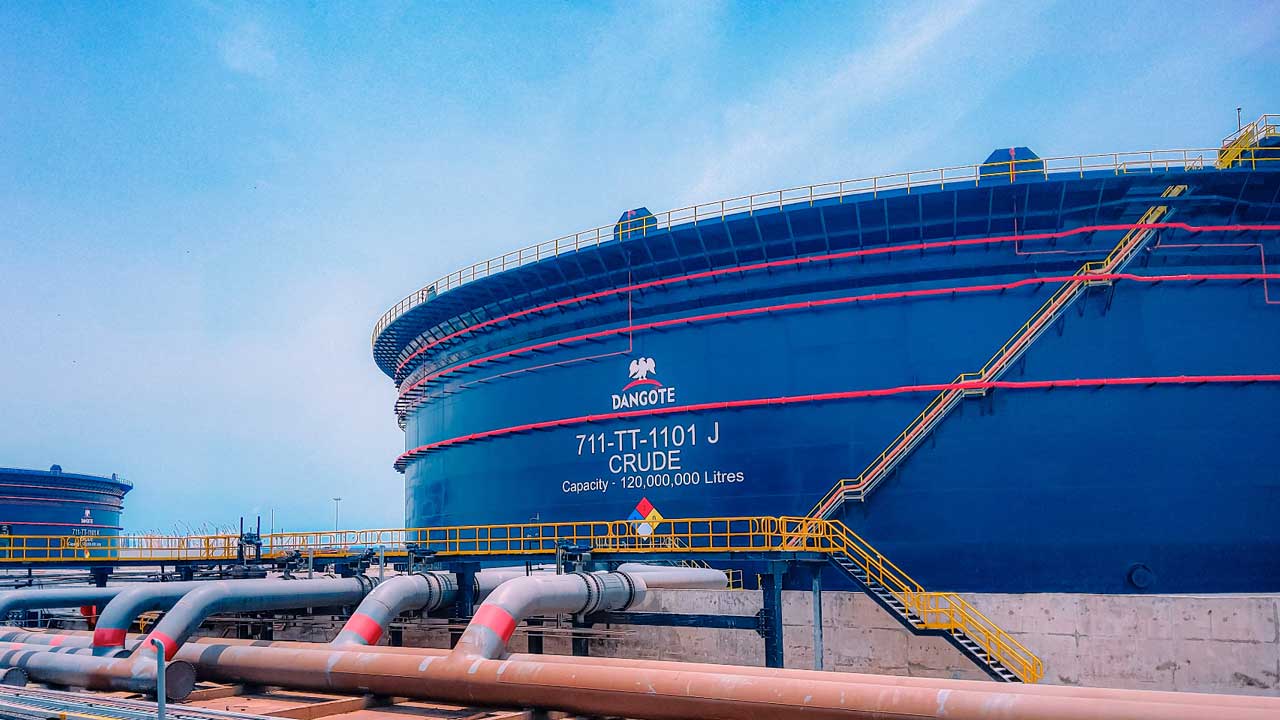
Nigeria’s energy landscape is undergoing a profound shift once deemed unattainable, now emerging as a cornerstone for the nation’s future prosperity. With the Dangote Refinery fully operational, Nigeria stands at the threshold of achieving genuine energy autonomy and sustainable stability for the first time in decades.
This refinery is far from a routine industrial venture. Its vast capacity and scope position it as a transformative force for the domestic economy. Beyond producing petrol and diesel, it generates essential by-products such as sulphur, carbon black, polypropylene, and butane.
These outputs serve as fundamental inputs for diverse sectors including tyre manufacturing, printing inks, fertilisers, plastics, and packaging industries. The ripple effect is significant: the refinery not only addresses energy challenges but also paves the way for Nigeria to broaden its industrial landscape, create employment opportunities, and retain billions of dollars previously lost to imports.
However, history teaches us that entrenched interests rarely relinquish control without resistance. Proposals for new oversight committees, often framed as measures for transparency, risk becoming tools for those who benefited from past inefficiencies. Nigeria must break free from this cycle. The refinery deserves protection from politicisation, not entanglement in it.
For years, Nigeria’s fuel supply was dominated by import reliance, fostering subsidy exploitation, rent-seeking behaviors, and systemic distortions. Depot operators and influential groups like DAPPMAN thrived under this model, which at its peak facilitated billions in dubious subsidy claims while leaving consumers with erratic supply, long queues, and inflated prices.
Some argue that depots are crucial for employment, yet the reality is stark: a typical depot employs only a few workers, whereas a single retail filling station supports many more jobs. Clinging to the outdated system is, at best, a weak justification and, at worst, a self-serving stance.
The economic landscape is evolving rapidly. Nigeria boasts over four million metric tons of storage capacity, much of which remains underutilized. With a domestic refinery now producing at scale, the traditional import-and-store framework is not only inefficient but increasingly obsolete. Globally, similar patterns have emerged: storage depots in hubs like Rotterdam or Houston were designed for export-driven economies, not for nations refining and consuming fuel locally. The lesson is clear-rising local production renders import-dependent infrastructure redundant.
A parallel can be drawn with Nigeria’s cement sector. As local cement manufacturing expanded, the large import vessels that once dominated the market were phased out or sold. The entire ecosystem that profited from imports vanished, giving rise to a robust domestic industry. The fuel sector is on a similar trajectory, and resisting this evolution only postpones the inevitable.
Crucially, the Dangote Refinery is more than a step toward energy independence; it is revolutionising the downstream supply chain. Investments are underway to introduce a modern fleet of fuel-efficient trucks, replacing the aging, polluting tankers that have long plagued Nigerian roads. This upgrade is vital for enhancing efficiency and environmental sustainability, signaling a comprehensive overhaul of the logistics network to ensure safer, cleaner, and more dependable fuel distribution.
Opposition from vested interests tied to imports, subsidies, or opaque privileges is expected. Yet, Nigeria cannot afford to repeat cycles of rent-seeking that have historically stifled reform. The nation has forfeited too many chances due to entrenched resistance to change.
Depot owners and legacy operators must evolve to stay relevant. Redirecting investments toward retail outlets, petrochemical ventures, or emerging sectors like lubricants, plastics, and renewable energy is essential. Some might even explore reviving dormant state refineries to foster genuine competition. What cannot be allowed is the stagnation of progress or attempts to undermine a facility with such transformative potential for the broader economy.
The Dangote Refinery is a solution, not a problem. It offers a foundation for industrial expansion, job creation across new industries, and shields Nigeria from the volatility of global fuel markets. Additionally, it bolsters the country’s fiscal health by curbing foreign exchange outflows and opens avenues for exports within West Africa. The regional benefits are equally significant: a stable, energy-secure Nigeria strengthens its neighbors and reinforces its leadership role across Africa.
For everyday Nigerians, the advantages are concrete: consistent fuel availability, prospects for lower long-term fuel costs, and the emergence of new industries from refinery by-products that will generate thousands of jobs. True energy security means not only eliminating shortages but also unlocking economic opportunities.
Sabotaging this asset through political interference, obstruction, or misguided policies would squander private investment and derail national advancement. The Dangote Refinery represents a high-stakes, timely breakthrough. Nigeria cannot afford to let cynicism or vested interests derail what may be its most significant industrial achievement in a generation.
Past delays in capitalising on opportunities-such as in iron and steel production, aluminium smelting, petrochemicals, and textiles-must not be repeated. Safeguarding the refinery transcends protecting Dangote’s investment; it is about securing Nigeria’s energy future, revitalising its industrial foundation, and fulfilling the long-awaited promise of self-reliance.
Written from Lagos.