


The Presidency has reaffirmed President Bola Tinubu‘s unwavering commitment to promoting broad-based economic growth and rolling out policies aimed at easing the financial burdens on ordinary Nigerians.
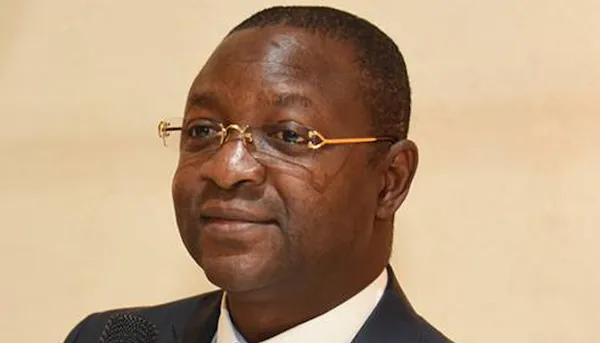
Mr. Sunday Dare, the President’s Special Adviser on Media and Public Communication, shared this update through his verified X account on Thursday.
This announcement was made in light of a recent World Bank Group report that underscored Nigeria’s persistent poverty challenges, despite the government’s increased revenue and capital expenditure.
Dare outlined several pivotal reforms and programs initiated by the Tinubu administration that are fueling economic recovery and reinforcing social protection frameworks.
He stressed the administration’s focus on enhancing household welfare through carefully targeted, evidence-based interventions.
One standout initiative is the Conditional Cash Transfer (CCT) scheme, which currently supports approximately 15 million families, with over ₦297 billion disbursed since 2023.
Another key program is the Renewed Hope Ward Development Programme (RH-WDEP), which spans all 8,809 electoral wards nationwide.
This project aims to deliver essential infrastructure, critical services, and livelihood assistance directly to grassroots communities.
Dare also highlighted the coordination of various social investment initiatives such as N-Power, GEEP loans-including TraderMoni, MarketMoni, and FarmerMoni-and the School Feeding Programme.
These combined efforts are designed to protect jobs, empower small-scale entrepreneurs, and keep children enrolled in education.
On the issue of food security, the presidential aide explained that the government is actively combating inflation by distributing subsidized grains, offering fertilizer subsidies, and encouraging the use of modern farming equipment.
He also noted the restoration of strategic food reserves, which play a crucial role in stabilizing prices and improving supply chain efficiency.
Furthermore, the government is increasing investments in agriculture, micro, small, and medium enterprises (MSMEs), and power infrastructure to stimulate employment and reduce living costs.
Ongoing projects include expanding agricultural value chains, advancing gas-to-power initiatives, and setting up skills acquisition centers nationwide.
“As these programs advance, Nigerians will witness real improvements in food affordability, income growth, and overall purchasing power,” Dare assured.