


By Musa Ubandawaki, Sokoto
SOKOTO – A wave of frustration has engulfed Sokoto city and its environs as accusations mount against fuel vendors for intentionally creating a petrol shortage, severely impacting motorists and daily commuters alike.
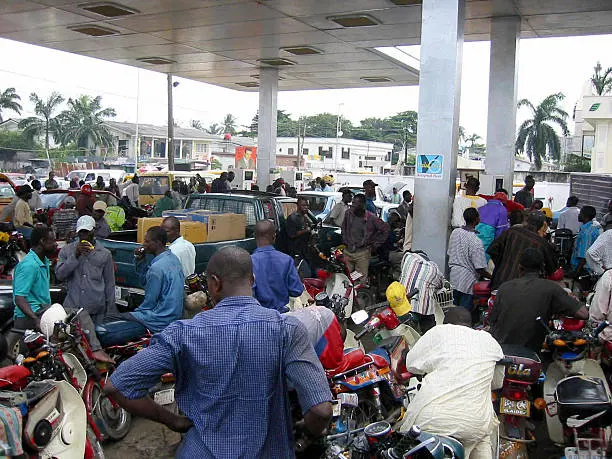
For several days running, most petrol stations throughout the state capital and neighboring communities have remained shuttered, while the few that remain open are charging prices far above the government-mandated rates.
This manufactured scarcity has brought public transportation to a near standstill, caused a sharp hike in fare costs, and disrupted business operations across the region.
From dawn, long queues of cars and commercial tricycles form around the scarce fuel outlets, with many drivers spending hours or even the entire day waiting to refuel.
“I got here at 7 a.m., and now it’s past 11 a.m., but I’m still in line,” lamented Sani Abubakar, a commercial driver stationed on Gusau Road. “The attendants only sell to those who pay extra or have inside connections. It’s very disheartening.”
The shortage has forced numerous commercial transporters off the roads, pushing fares to two or three times their usual rates for short trips within Sokoto metropolis.
“I used to pay ₦300 from Gwiwa to Sokoto Central Market, but now it’s ₦600,” shared Safiya Ibrahim, a petty trader. “This is really tough on us. The government must intervene before things get worse.”
Investigations reveal that while some independent marketers claim their fuel stocks are exhausted, others are suspected of hoarding petrol in anticipation of price hikes linked to the ongoing PENGASSAN/Dangote dispute.
The widespread closure of filling stations has also given rise to a black market where petrol is sold at exorbitant prices, sometimes reaching ₦1,800 per litre.
Residents have expressed outrage, condemning what they perceive as deliberate exploitation by unscrupulous fuel dealers.
Civil society groups and concerned citizens have called on petroleum regulatory authorities to act swiftly to restore normal fuel supply.
“This crisis is entirely contrived and avoidable,” asserted Comrade Abdullahi Aliyu, a local activist. “The government must take firm action against any marketer found guilty of hoarding or manipulating supply to create this hardship.”
As the fuel scarcity drags on, economic activities in Sokoto continue to slow, with traders, transport operators, and residents bearing the heavy burden of the crisis.
The absence of a clear response from government officials has only heightened public anxiety, leaving many uncertain about when relief will arrive.
Without urgent intervention to dismantle this engineered shortage and hold culpable parties accountable, the situation threatens to worsen, deepening the economic strain on millions across the state.