


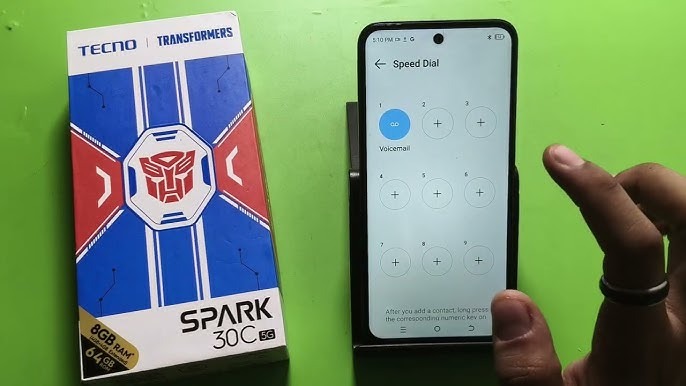
In today’s smartphone market, where flagship models from giants like Apple and Samsung often exceed $1,000 (#1,496,980), brands such as Tecno and Infinix have successfully attracted millions of users by offering devices priced below $200 (#299,396). These brands have established a strong presence across African, South Asian, and Southeast Asian regions. Their phones combine stylish aesthetics, expansive screens, capable cameras, and dependable performance-all at a fraction of the cost demanded by premium brands.
What accounts for the affordability of Tecno and Infinix smartphones? Is it a compromise on quality, clever business tactics, or a strategic market approach? Let’s explore the factors that enable these companies to deliver high-quality yet budget-friendly mobile devices.
The Driving Force Behind Affordable Smartphones in Africa and Asia
Tecno Mobile and Infinix Mobility operate under the umbrella of Transsion Holdings, a Shenzhen-based Chinese corporation. Transsion’s core mission revolves around providing affordable smartphones tailored to the financial realities of emerging markets.
By concentrating efforts on developing regions in Africa, South Asia, and the Middle East, Transsion has gained valuable insights into the specific demands of local consumers. This knowledge has guided the creation of cost-efficient phones designed to meet those unique needs.
As highlighted in Counterpoint’s Q2 2024 Africa smartphone market report, “Transsion’s brands maintain leadership in the African market by emphasizing features like extended battery life, camera optimizations suited for local users, and affordability tailored to price-conscious buyers.”
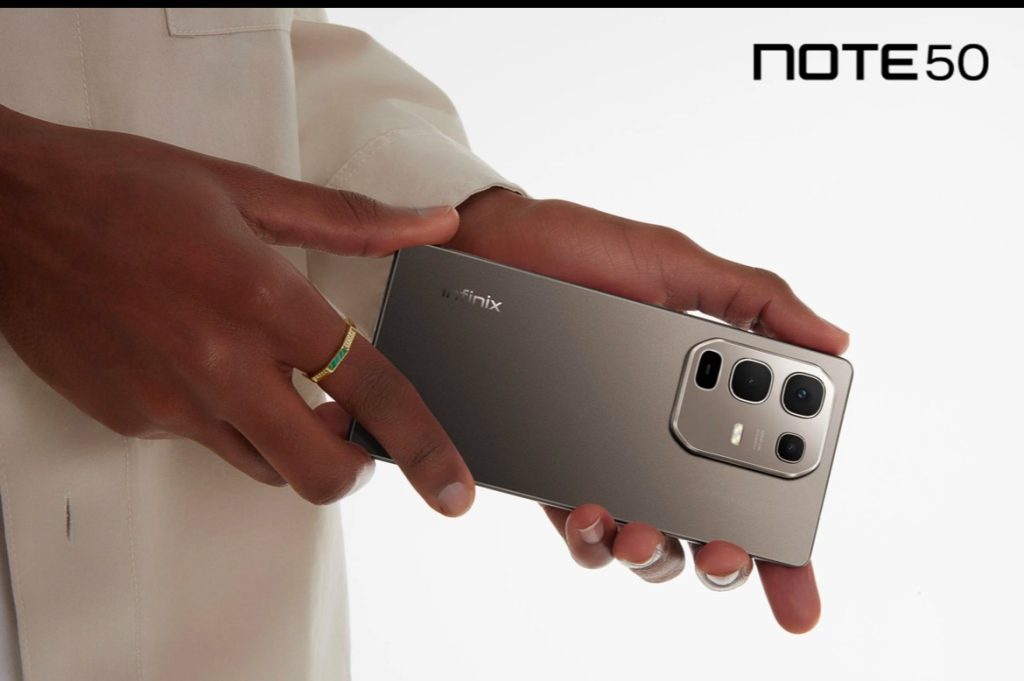
Efficient Manufacturing and Streamlined Supply Chains
A key factor behind the low price tags of Tecno and Infinix devices is their optimized production and supply chain management. Manufacturing primarily takes place in countries like China, India, and Ethiopia, where labor costs are comparatively low and regulatory constraints on wages are minimal, significantly reducing production expenses.
Moreover, Transsion leverages local assembly facilities and shares components among its brands-including itel-while mass-producing similar models. This strategy minimizes import tariffs, shipping fees, and manufacturing costs.
Research from GSMA Intelligence and Business Insider Africa reveals that Transsion’s local assembly plants in nations such as Ethiopia and Nigeria cut import duties and logistics expenses, lowering overall production costs by up to 30% compared to fully imported smartphones.
Functionality Over Flash: Practical Devices for Everyday Use
Rather than competing with flagship phones boasting the latest Snapdragon processors or ultra-high-resolution displays, Tecno and Infinix prioritize delivering affordable smartphones equipped with essential features that meet daily user needs.
Common specifications include:
- HD+ screens instead of 2K or 4K panels
- Mid-range MediaTek chipsets rather than premium Snapdragon processors
- Durable plastic casings instead of glass or metal finishes
- Large-capacity batteries (5000mAh or more) designed for longevity rather than luxury
According to Counterpoint Research (2024), Transsion’s design philosophy centers on practical features like extended battery life, dependable cameras, and affordability, enabling them to keep costs down while delivering what users truly require.
Custom Software Ecosystems: HiOS and XOS
Tecno and Infinix utilize proprietary Android-based interfaces-HIOS for Tecno and XOS for Infinix. These lightweight operating systems are optimized for mid-tier hardware, reducing the need for costly components.
Additionally, these platforms come pre-installed with ad-supported applications, sponsored content, and tailored app stores, generating supplementary revenue streams independent of the device’s retail price.
Design Tailored to Regional Preferences and Conditions
Beyond affordability, Tecno and Infinix phones are customized to address the specific challenges faced by users in their target markets. For instance, a small business owner in Kenya might favor an Infinix phone with a robust 5000mAh battery over a premium smartphone with a smaller capacity.
Other localized features include camera enhancements optimized for darker skin tones, dual SIM capabilities, and rugged construction to endure humid and tropical environments.
Minimal R&D, Maximum Adaptation
Unlike brands that invest heavily in pioneering new technologies, Tecno and Infinix focus on integrating proven innovations from established suppliers. They source camera modules from companies like Sony and Samsung, utilize MediaTek’s off-the-shelf chipsets, and incorporate Google’s Android Go edition, which is streamlined for budget devices.
Aggressive Pricing to Capture Emerging Markets
Operating in fiercely competitive environments, Tecno and Infinix often price their products below rivals such as Xiaomi, Realme, and Samsung’s A-series. Their business model relies on high sales volumes paired with modest profit margins per unit.
Their approach is simple: sell more devices at lower prices to dominate emerging markets.
Final Thoughts
Are Tecno and Infinix phones inexpensive because they lack quality? Absolutely not. By deeply understanding the priorities of their core customers and eliminating unnecessary features, these brands manage to keep production costs low while delivering reliable, functional smartphones.
In essence, Tecno and Infinix don’t cut corners-they strategically reduce expenses without sacrificing quality.