


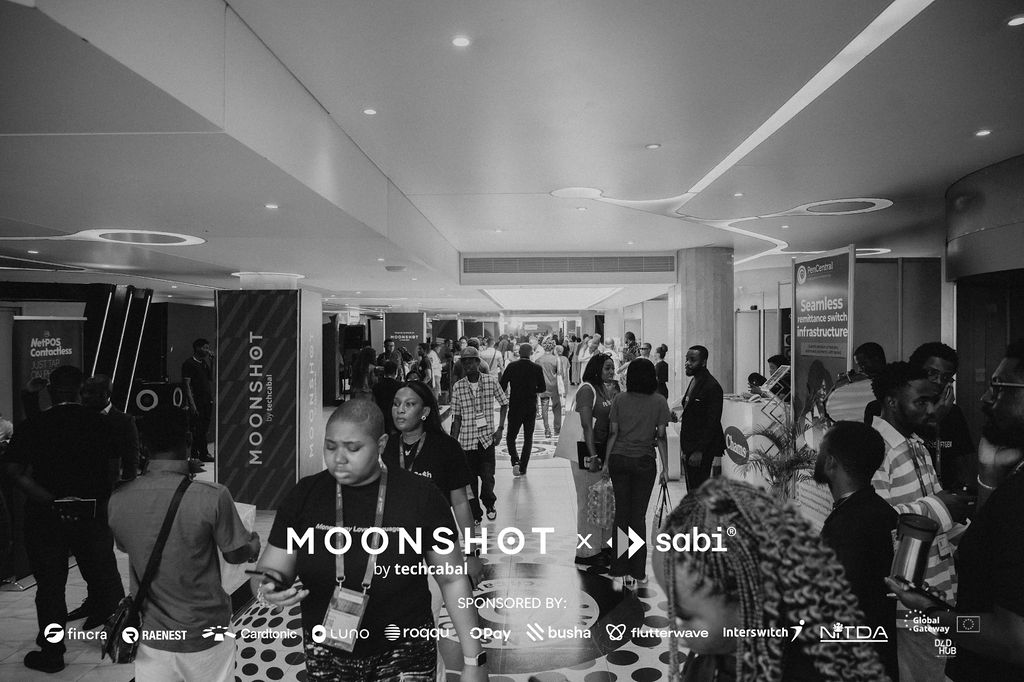
Each October, as Moonshot by TechCabal concludes, I’m reminded that the true challenge begins once the applause dies down. The keynotes, panel discussions, and networking events generate a surge of enthusiasm-a fleeting bubble of innovation and ambition.
However, when attendees return to their home countries and the buzz fades, the pressing question remains: how do you harness that momentum effectively?
Having covered summits across Africa-from Kigali to Cape Town, Nairobi to Lagos, Kinshasa to Cairo-I’ve observed that while the dialogues are often inspiring, the execution afterward varies widely. The difference between those who leverage these gatherings as springboards and those who treat them as mere calendar events lies in what unfolds during the quieter days post-conference: the reflection, the meaningful follow-ups, and the careful separation of signal from noise.
Here’s my perspective on how to transform the energy from Moonshot 2025 into lasting impact, especially for the many professionals who left feeling that something significant has just begun.
For Entrepreneurs: Prioritize Purpose Over Contacts
Events like Moonshot aim to accelerate sectors brimming with potential and often spark serendipitous encounters-whether it’s an unexpected investor conversation or a mentor who truly understands your vision. Yet, many entrepreneurs I met confuse the quantity of interactions with their quality.
By the event’s end, it’s easy to have exchanged dozens of business cards and promised follow-ups to numerous people. But once Monday hits, operational demands take over, and the opportunity to nurture those connections quickly diminishes.
The most successful founders approach post-event networking strategically. They meticulously review each interaction, assessing which contacts align with their immediate goals: Who can help unlock the next phase of growth? Who challenges their assumptions? Who offers access to critical resources?
Follow-ups are deliberate and specific-not generic “nice to meet you” messages, but targeted communications such as:
“You mentioned plans to enter the Nigerian market; here’s a brief overview of our recent challenges with local compliance. I’d appreciate your insights.”
Such thoughtful outreach invites genuine dialogue and can lay the groundwork for mutually beneficial partnerships.
Building intentional relationships is challenging. Sometimes, the greatest value doesn’t come from investors but from fellow entrepreneurs who share similar hurdles. For instance, Chinedu, a fintech founder from Abuja, told me he commits to maintaining at least one ongoing conversation with a peer from every event he attends.
“They’ve navigated pitfalls I haven’t encountered yet,” he explained.
My recommendation to founders is to cultivate a trusted circle of “accountability partners” post-summit-individuals who understand your journey and provide honest feedback when the excitement fades.
For Investors: Move Beyond Observation to Action
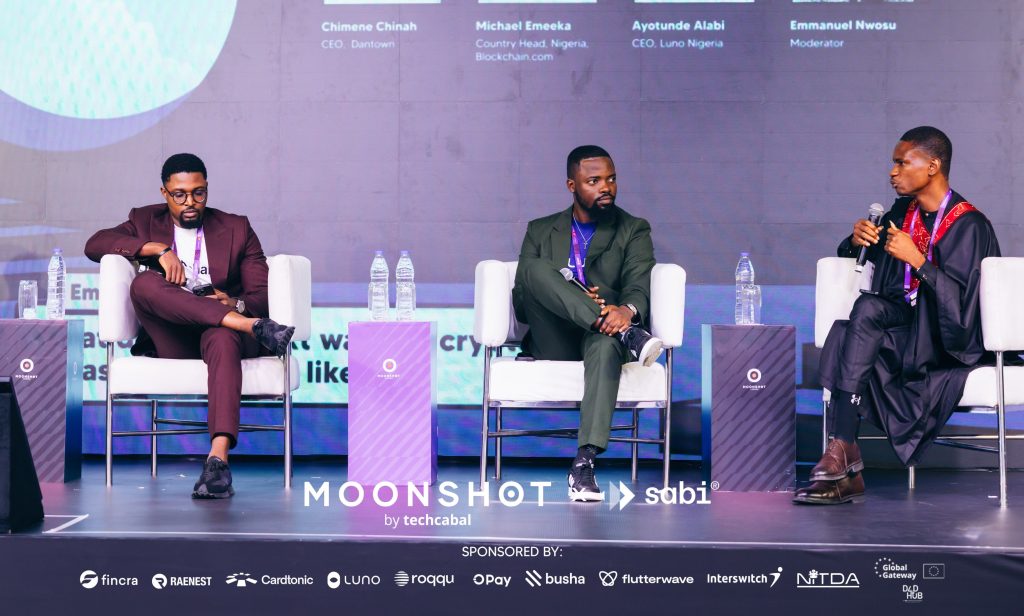 Moonshot by TechCabal 2025” class=”wp-image-170963″ />
Investors are among the most prominent figures at tech conferences, often leading panels, moderating discussions, and hosting exclusive gatherings. Yet, in the aftermath, two distinct approaches emerge.
Some investors simply file their notes, update their deal pipelines, and wait for startups to reach out. Others immediately test their investment hypotheses by reconnecting with founders, probing deeper with questions like, “Can you walk me through your customer acquisition costs again? Who is your primary user? What are your key needs for the upcoming quarter?”
The latter group builds conviction swiftly.
In dynamic markets like Africa’s, conviction is a strategic edge. It empowers investors to act decisively when opportunities arise, rather than hesitating for external validation.
Investors should use summits as a lens to refine their theses. What shifts in founder mindset did you observe? Where is capital most scarce? Which regulatory barriers continue to stifle innovation?
In essence, treat the event as a reality check for your investment strategy-sharpen it, deepen it, and align it with the lived experiences of entrepreneurs.
For Policymakers: Engage Beyond the Spotlight
Government officials often attend summits to “connect with the ecosystem,” delivering keynote addresses or participating in panels. However, the real value lies not in speaking but in active listening.
After Moonshot, the most impactful policymakers are those who return to their offices and challenge their teams with questions like, “What insights did I gain that question our current regulations? Who should be invited to future consultations-not because of their status, but because they are driving innovation?”
If you’re a regulator, consider reaching out to three founders or investors you met and request candid feedback on a specific policy area. This gesture of humility signals genuine commitment. The fastest-growing ecosystems-such as Rwanda, Kenya, and Ghana-are those where dialogue continues long after the microphones are turned off.
For Journalists: Seek the Underlying Narratives
As reporters, we’re trained to capture the highlights-the memorable quotes, the key takeaways, the headline moments. Yet, over time, I’ve realized that the most compelling stories often lie beneath the surface.
They emerge in contradictions, tensions, and the subtle agreements formed in side conversations that rarely make headlines.
Rather than rushing to publish immediate recaps, I dedicate time to analyze what the event truly revealed. Which topics sparked the strongest emotions? Which sectors were noticeably missing? Which narratives are fading, and which are quietly gaining traction?
A good conference shows what the industry is discussing; a great journalist uncovers what the industry is contemplating but not yet voicing.
To fellow storytellers, I urge you to resist the urge to chase fleeting trends. Craft stories that will remain relevant and insightful months down the line.
For All Participants: Maintain Presence Without Overexposure
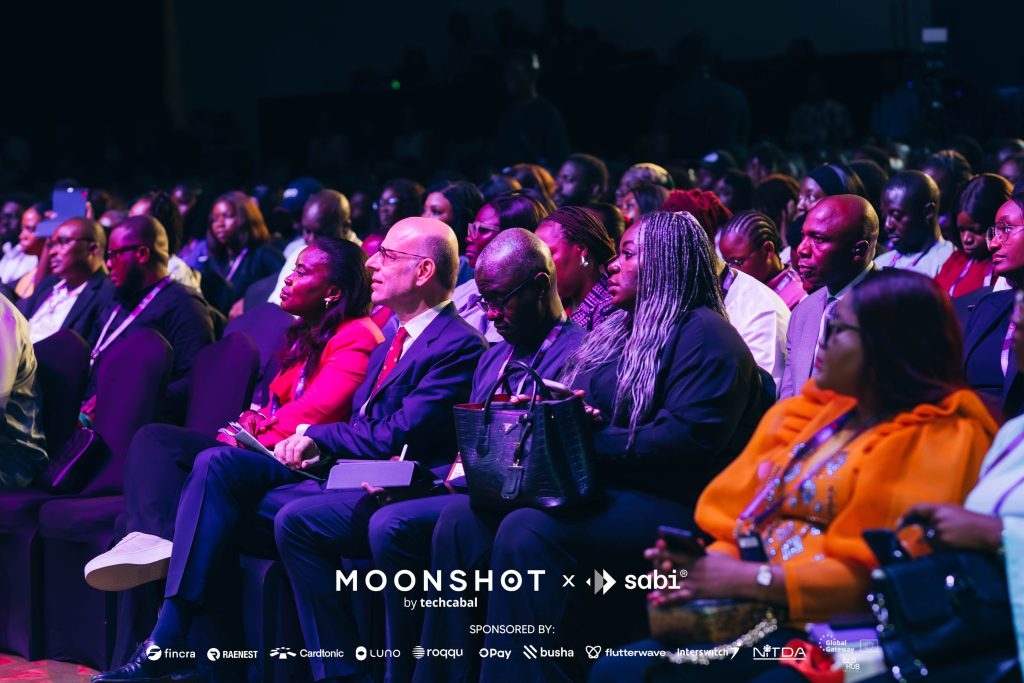
Post-event networking exhaustion is real. After Moonshot, social media feeds flood with selfies, summary threads, and generic praise, causing many voices to blend into the background.
To distinguish yourself, focus on continuity rather than attention-seeking.
Share a single insight that genuinely resonated with you and explain its significance. Tag those who inspired you and invite further discussion rather than just broadcasting.
Privately, reach out to a select few whose ideas challenged your thinking. Ask thoughtful questions and offer something valuable in return-be it a connection, a resource, or an introduction. Generosity fosters deeper, more sustainable networks than self-promotion.
Most importantly, carve out time for reflection. Review your notes, business cards, and goals. Identify three actionable ideas to pursue in the next month. Consider what habits or partnerships you can cultivate to ensure this event becomes a meaningful chapter in your journey, not just a collection of photos.
Transform Moments into Momentum
I view events like Moonshot not as final destinations but as pivotal moments that reveal new possibilities and challenge us to convert potential into progress.
The individuals who extract the greatest value aren’t always the most outgoing or well-connected. They are those who document their insights, pursue their curiosities with discipline, and reconnect with purpose. They recognize that ecosystems thrive not from the panels themselves, but from the myriad unseen conversations that follow.
Ultimately, the true event begins when the cameras stop rolling, emails are sent, coffees are shared, policies reconsidered, and stories told.