


I was a teenager when I first worked construction in Essex. The job lasted three weeks: early mornings, cold metal scaffolding, and heavy equipment. I wasn’t good at it. But I was fascinated by how empty plots became homes. That sense of possibility stayed with me.
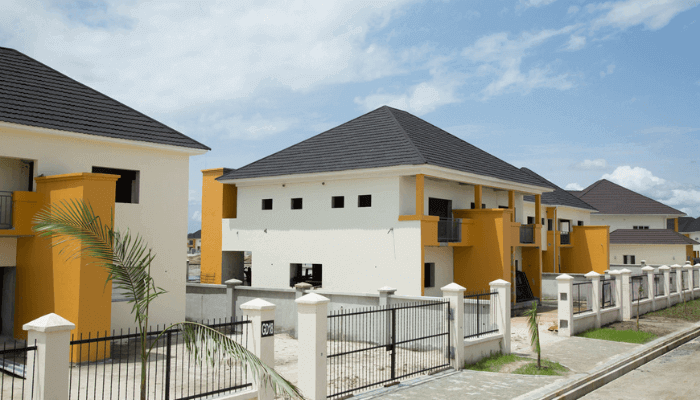
Years later, standing on a Lagos construction site, I felt the same pull but also saw something different. Across the city, countless buildings sit half-finished, cranes frozen mid-air, workers gone, and capital trapped in concrete shells. The problem isn’t a lack of ambition or ability. It’s the absence of invisible infrastructure: trust.
The $20 billion question
Every year, Nigerians abroad send home more than $20 billion, roughly four times the country’s foreign direct investment and more than the GDP of several African nations. Much of this money goes toward family needs, but an increasing share seeks meaningful investment opportunities, particularly in real estate.
The appetite is clear. The capital exists. What’s missing is a trusted bridge that safely connects both sides.
Last month, a friend in London showed me photos of a development he funded in Lekki three years ago. Construction stopped at 40 percent. His ₦8 million deposit is now tied up in an unfinished structure. No updates. No accountability. No recourse. Multiply his experience by thousands, and you begin to understand the trust deficit that limits Africa’s property markets.
The developer’s dilemma
From the developer’s side, the challenge is equally complex. Real estate financing in Nigeria remains expensive and often inaccessible. Banks lend sparingly, and when they do, rates can reach double-digit annual rates. Many developers turn to private lenders and fintech platforms for short-term working capital, sometimes at monthly rates above 10 percent.
These facilities play an essential role in keeping projects moving, but they aren’t designed for long-term real estate development. When timelines stretch or sales slow, costs compound, and progress stalls. The issue isn’t lending itself. It’s the lack of structured, transparent financing models that match real-world construction cycles.
This is not unique to Nigeria. Developers in Ghana, Kenya, and even South Africa face similar obstacles. The missing link across all markets is the same: reliable infrastructure for trust, compliance, and capital flow.
A hidden kind of infrastructure
When people talk about Africa’s infrastructure gap, they think of roads, power, and water. But there’s another kind of infrastructure just as vital: the systems that enable commerce, investment, and accountability at scale.
For real estate, that means three things:
● Transparent tracking: Investors should be able to monitor construction progress in real time, not through late or missing reports. Today’s technology makes that achievable.
● Professional due diligence: Developers and properties must be properly vetted before capital is raised, with verified titles and licensed oversight.
● Fractional access and liquidity: Real estate shouldn’t require millions to participate. Properly regulated fractional ownership opens the door for broader participation and creates a liquid secondary market.
Technology as enabler, not saviour
Technology can transform how we invest. Blockchain allows transparent ownership records. Smart contracts ensure funds are released only when milestones are met. ‘Tokenisation’ enables the buying and selling of property shares like any other asset.
But technology alone isn’t enough. Without regulation and accountability, innovation turns chaotic. What Africa’s real estate market needs is the right blend of technology and traditional finance, where innovation strengthens compliance instead of bypassing it.
That means designing platforms in partnership with regulators, not apart from them. Building small, testing rigorously, proving reliability, and scaling responsibly.
Seasonal demand and diaspora opportunity
Nigeria’s diaspora represents one of the world’s most dynamic investor groups. Many still dream of owning property back home, yet remain cautious after years of failed projects and inconsistent experiences.
Each December, that same diaspora returns home in large numbers, bringing not just capital but consumption. According to the Lagos Short-Let Market Report 2024, demand for temporary accommodation surges by over 40 percent during the festive season. “Detty December” has become an economy of its own, attracting thousands of visitors who rely on short-term housing across Lekki, Ikoyi, Victoria Island, and Abuja.
Now imagine channeling even a fraction of diaspora remittances into structured, fractional real estate investments that generate both returns and usable spaces for these seasonal inflows. That’s not charity. It’s smart economics.
Countries like Kenya and Ghana are already experimenting with diaspora-linked property funds. Nigeria, with its size and global reach, can lead the way if we put the right systems in place.
Laying the foundation
You don’t rebuild trust overnight. You start small with pilot projects that prove transparency, compliance, and delivery. Success on a small scale attracts regulatory confidence, institutional support, and investor participation.
At Assetrix, we are taking a practical approach to rebuilding trust in Nigeria’s real estate market. Working with SEC-licensed partners, the goal is to create a transparent bridge between developers seeking credible funding and investors, both at home and abroad, who demand accountability for every naira committed. Our first cohort, comprising 170 founding members and select premium developments across Lagos, is a deliberate test case in doing things differently. The mission is not to scale recklessly but to prove, one project at a time, that transparency and delivery can coexist and that trust, once earned, can redefine an entire market.
What success looks like
Picture a future where Nigerians in the diaspora can invest confidently from London, Houston, or Toronto, track construction updates on their phones, and earn returns through verified, tradable property shares. Where developers can access fair capital without unsustainable interest burdens. Where transparency lowers risk and strengthens delivery.
That’s not a dream. It’s infrastructure. The kind that turns possibility into participation.
And the timing has never been better.
The $20 billion sent home each year by Nigeria’s diaspora represents more than remittances. It’s untapped potential. With the right trust systems in place, that money could fund the homes, hotels, and short-lets that define the next generation of African cities.
I saw possibility take shape once on a construction site in Essex. I see it again in Lagos today. Only this time, we’re building the foundations that let everyone, home and abroad, own a piece of that possibility.
Mayowa Adeosun is the Founder and CEO of Assetrix, a proptech/fintech platform bridging transparency and capital access in African real estate. He previously co-founded Sycamore and Bedrock Residences.