


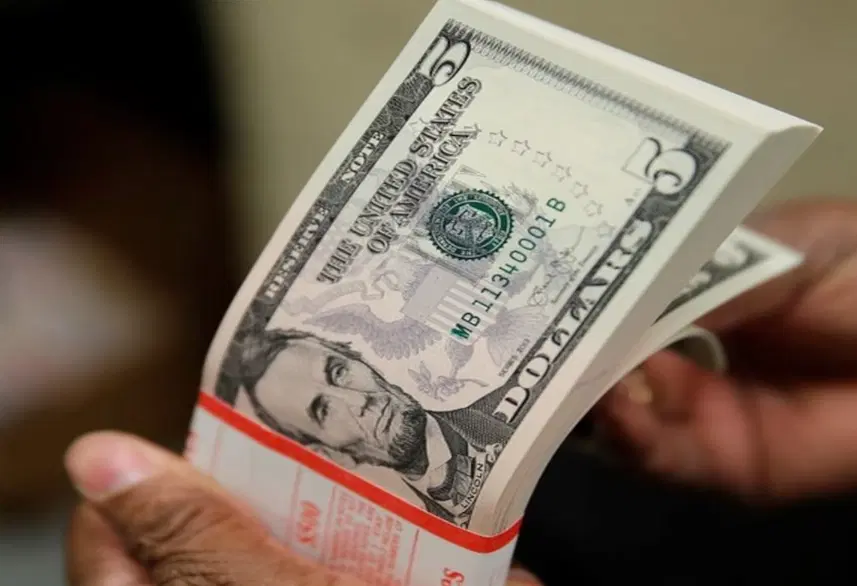
On Wednesday, the naira experienced depreciation as discrepancies widened between official and parallel market exchange rates. The Nigerian Foreign Exchange Market (NFEM) and Central Bank of Nigeria (CBN) reported a volume-weighted rate close to ₦1,465 per US dollar, whereas black-market sources indicated rates hovering around ₦1,490 to ₦1,495 per dollar.
Experts attribute this divergence to sustained demand for dollars from importers and corporate entities, coupled with restrained immediate interventions by the CBN. Additionally, liquidity adjustments following recent market activities have contributed to the widening gap. Observers have noted that the naira’s value declined over the last two trading days as authorized foreign exchange users increased their dollar purchase requests.
Broader economic and policy factors also play a significant role. In late September, the CBN reduced its benchmark interest rate in response to easing inflation, a move that market participants believe is influencing foreign exchange flows and altering interest rate spreads, thereby impacting dollar demand.
For consumers and businesses, this trend suggests that travelers and importers should anticipate paying more when acquiring foreign currency through informal channels or street vendors, where rates tend to be higher than official figures.