


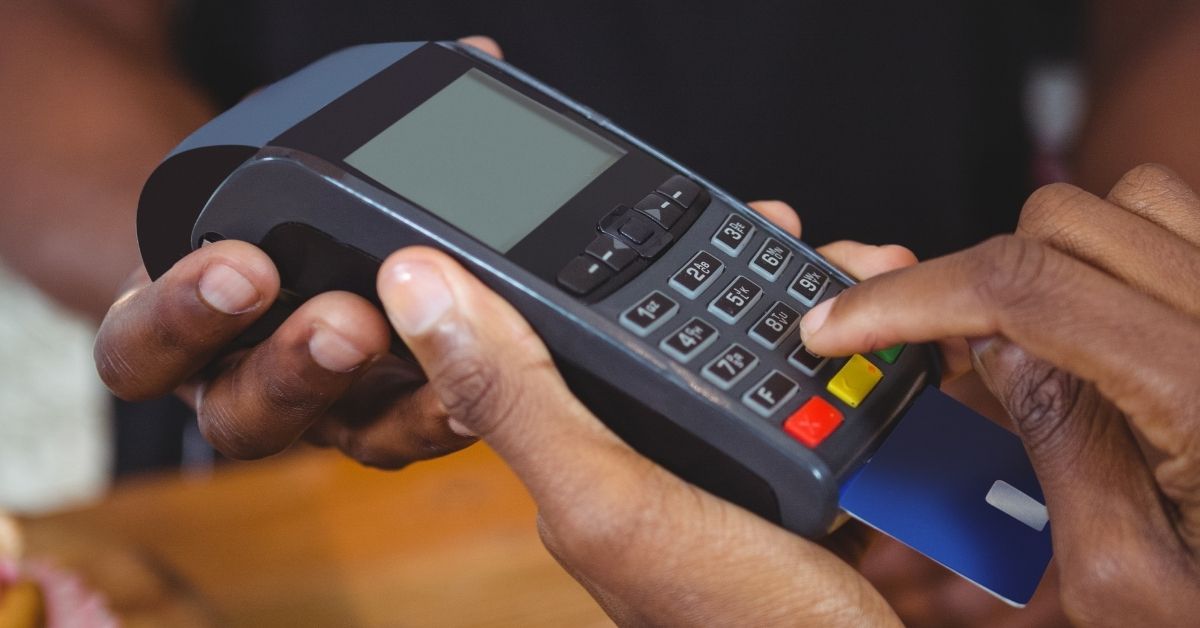
Ibukun Abolarinwa, the Point of Sale (PoS) agent who operates just outside my residence in Ojodu Berger, knows my UBA Verve card inside out. He’s fully aware that trying to process my card on his MoniePoint terminal often results in failure. Without a word, he quickly swaps to another device from his diverse collection-whether it’s OPay, Nomba, PalmPay, or a Wema Bank terminal-until the transaction goes through. This unspoken arrangement has guaranteed seamless transactions for years. Yet, this fragile harmony is now at risk of being upended.
In a recent directive issued by Nigeria’s Central Bank (CBN), all PoS agents must, by April 2026, align exclusively with a single financial institution. This means Ibukun will no longer be able to juggle multiple terminals to bypass network interruptions or card compatibility problems. For customers like me, who rely on this multi-terminal workaround to access cash and perform transfers, this signals an impending inconvenience.
ushering in a New Chapter
The revised CBN guidelines mandate that PoS agents not only commit to one operator but also comply with tighter operational restrictions. Terminals will be geo-tagged and fixed to specific locations, removing the flexibility to move devices freely. Moreover, daily withdrawal limits will be capped at ₦1.2 million (roughly $816).
This policy is part of a larger effort to regulate Nigeria’s burgeoning agent banking industry and improve transparency. The regulator aims to “establish a safer framework for delivering financial services to underserved and remote populations.”
The reasoning is straightforward. Nigeria’s network of approximately 2 million PoS agents processed transactions totaling about ₦10.51 trillion ($7 billion) in Q1 2025 alone, according to the Nigeria Inter-Bank Settlement System (NIBSS). Within this vast, largely informal ecosystem, issues like fraud, transaction disputes, and poor traceability have become significant regulatory challenges.
Yet, the informal flexibility of this system has been a key driver in Nigeria’s fragile progress toward financial inclusion. This is where the tension between regulation and convenience becomes apparent.
How PoS Agents Operate Behind the Scenes
Entrepreneurs like Ibukun have built their businesses on adaptability. He notes that MoniePoint charges higher fees than PalmPay, so he switches between platforms depending on the transaction type and network reliability. On a good month, his income ranges from ₦90,000 to ₦360,000 ($61 to $245), a decent earning from modest commissions and customer loyalty.
When one terminal reaches its transaction limit, he simply moves to another. If a network goes down, he pivots to a different provider. This flexibility is crucial for survival in an environment where network outages are frequent and cash demand can spike unexpectedly.
Not all agents are enthusiastic about the new rule. Chinyere, who works in Lagos Island’s busy commercial area, depends on multiple platforms to maintain service during network downtimes. She fears that being restricted to a single operator will threaten her income-a concern shared by many of her colleagues.
Obinna, a PoS operator in Surulere, Lagos, expresses doubt about the enforcement of the directive. “I don’t take CBN policies seriously,” he says. “They often remain on paper. Despite withdrawal limits, I still process cash withdrawals above ₦100,000 without issues.”
Abdul, owner of FEDAMS Technology in Ojodu, Lagos, points out that exceeding daily withdrawal limits usually happens only with properly registered agents. He dismisses the exclusivity rule, citing ongoing network problems. “This policy isn’t designed for us. It won’t work because of connectivity challenges,” he argues. “Government policies always seem to favor themselves.”
Zubair Onireke, who manages his PoS business in shifts, highlights the benefits of the multi-operator model. If forced to pick one, he would choose OPay, praising its superior reliability.
Customer Perspectives and Concerns
Some customers welcome the new regulations. Oreoluwa Roheemat, a reconciliation account officer, believes the rules will “improve transaction transparency.”
However, many users remain uneasy. Omolabe Iteoluwakiishi, a regular PoS user, prefers transacting within the OPay network. “If an agent only has a MoniePoint terminal, I might hesitate because the transaction could fail,” he explains.
This concern is practical, not hypothetical. In many communities, especially outside Lagos and Abuja, a single PoS agent often represents the only access point to formal financial services. The new 10-meter proximity rule-which limits how far apart registered PoS terminals can be-will further reduce alternatives when transactions fail.
Assessing the Consequences
The financial stakes are considerable. PoS agents operate on very slim margins, typically charging ₦100 to ₦200 ($0.07-$0.14) per withdrawal. Their ability to switch between providers helps keep costs down by choosing the most reliable or affordable option for each transaction.
These savings often benefit customers. With inflation and cash shortages already squeezing budgets, even small increases in withdrawal fees could affect spending behavior.
On one hand, the exclusivity rule might push operators to enhance service quality, speed, and device upkeep as banks compete to retain their exclusive agents. On the other hand, users may face new difficulties.
Most notably, losing the fallback option when one operator’s network fails could leave customers stranded during urgent transactions. This creates a compatibility challenge.
If Ibukun is forced to use only MoniePoint, I risk losing access to the most convenient financial gateway near my home. For residents in smaller towns-where card compatibility issues are common and PoS options limited-the situation could be even more severe. The 10-meter rule will make it harder to find alternative agents, forcing people to travel farther for a terminal that might not even accept their card.
The Broader Implications
The CBN’s intentions are understandable. The PoS sector’s rapid growth has outpaced regulatory oversight, with fraud and dispute resolution remaining critical challenges. There is a clear need for increased accountability and structure.
Yet, the informal, flexible nature of Nigeria’s PoS network has been both its greatest weakness and its most vital strength. It has driven financial inclusion forward even as traditional banking systems lagged behind.
“Agency banking functions on two levels: one regulated, the other entrepreneurial and hard to formalize,” explains Safaradeen Fasasi, national president of the Association of Mobile Money & Bank Agents in Nigeria (AMMBAN). “Agents are not owned by financial institutions; their relationship is a partnership.”
He adds, “It’s essential to align policy goals with policy design. Only then can we judge if some policies are truly necessary.”
If the new rules stifle this flexibility, millions could find themselves cut off in local economies where their sole PoS agent no longer supports their card.
While the CBN aims for a unified, traceable system, it is the organized chaos of multiple competing terminals that has made digital payments accessible to everyday Nigerians.
When April 2026 arrives, agents like Ibukun will face a critical choice. And when that day comes, I’ll be standing on the other side of the counter, card in hand, hoping he picked the operator that still meets my needs.
Mark your calendars! Moonshot by TechCabal returns to Lagos on October 15-16! Join Africa’s top founders, creatives, and tech innovators for two days of inspiring talks, networking, and visionary ideas. Get your tickets now at moonshot.techcabal.com