


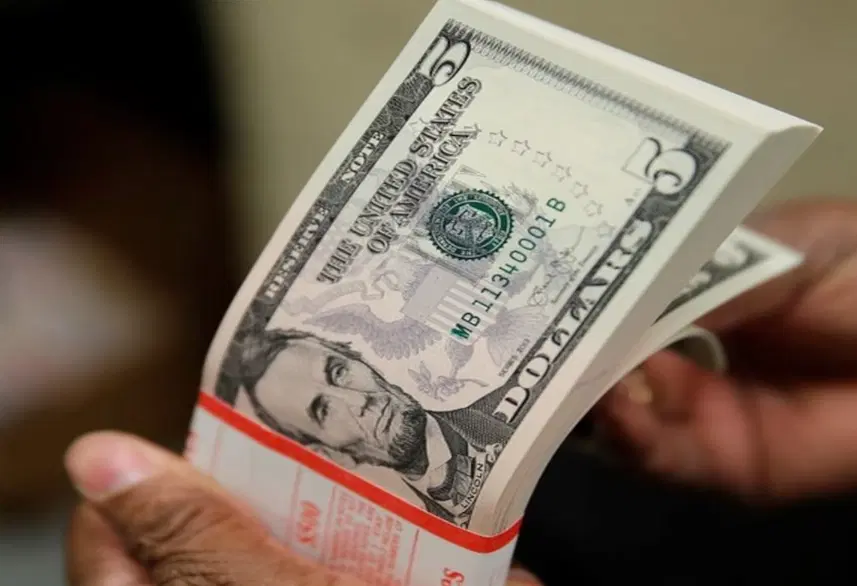
The Nigerian naira has shown a modest gain in value within the official Nigerian Foreign Exchange Market (NFEM), buoyed by improved dollar supply. This positive shift is attributed to steady inflows into the country’s foreign reserves and clear policy guidance from the Central Bank of Nigeria (CBN).
By the end of trading, the official exchange rate was recorded at about ₦1,466.65 per US dollar.
The CBN’s daily exchange rate listings, which serve as a reference for banks and market participants, have revealed fluctuations ranging from the mid-₦1,400s to the high ₦1,400s throughout the first half of October.
In contrast, the parallel market-including Bureau de Change (BDC) operators-continued to trade at a premium, with rates hovering between ₦1,490 and ₦1,500 per US dollar in Lagos as of October 11. This persistent gap underscores the existence of a dual exchange rate system and reflects strong demand for foreign currency in informal and cash-based segments.
Drivers Behind Exchange Rate Trends
The slight strengthening of the naira in the official market can largely be linked to increased foreign currency availability, fueled by portfolio investments and capital inflows from overseas, alongside a stable external reserve position. Analysts have observed a modest rise in dollar supply, which contributed to the NFEM closing on a firmer note compared to earlier sessions.
On the other hand, ongoing high demand for physical dollars and restricted access to foreign currency for smaller-scale transactions have kept parallel market rates significantly above official levels.
Overall, the naira has experienced a gradual recovery this month from the early October lows, supported by foreign capital inflows and strategic interventions by the Central Bank.
Important Factors to Watch
1. Announcements and currency auction activities by the Central Bank of Nigeria – Changes in policy direction or auction frequency could impact official exchange rates.
2. Trends in portfolio investments and sovereign bond issuance – Continued inflows into Nigerian financial markets are expected to bolster exchange rate stability.
3. Dynamics within the parallel market – The interplay between demand for cash dollars and the availability of official foreign exchange will determine whether the gap between BDC/AbokiFX rates and official rates narrows or persists.