


The Bill & Melinda Gates Foundation has committed $17.5 million to Rwanda for the creation of the Rwanda AI Scaling Hub, positioning the nation as a leading force in artificial intelligence across Africa.
Minister of State for ICT and Innovation, Yves Iradukunda, revealed last week that this substantial funding marks a pivotal moment aimed at accelerating AI-driven advancements in critical sectors such as healthcare, agriculture, and education. The hub will also nurture startups and foster AI solutions that tackle practical challenges faced by communities.
Rwanda, recognized for its commitment to ethical AI practices, is leveraging this initiative to chart a progressive path forward. This latest investment significantly enhances the country’s role as a continental leader in AI development.
This new allocation builds upon an earlier $7.5 million grant from the Gates Foundation awarded in April, intended to support the hub’s establishment over three years. The additional $17.5 million effectively triples the initial funding, reinforcing Rwanda’s position at the forefront of AI innovation.
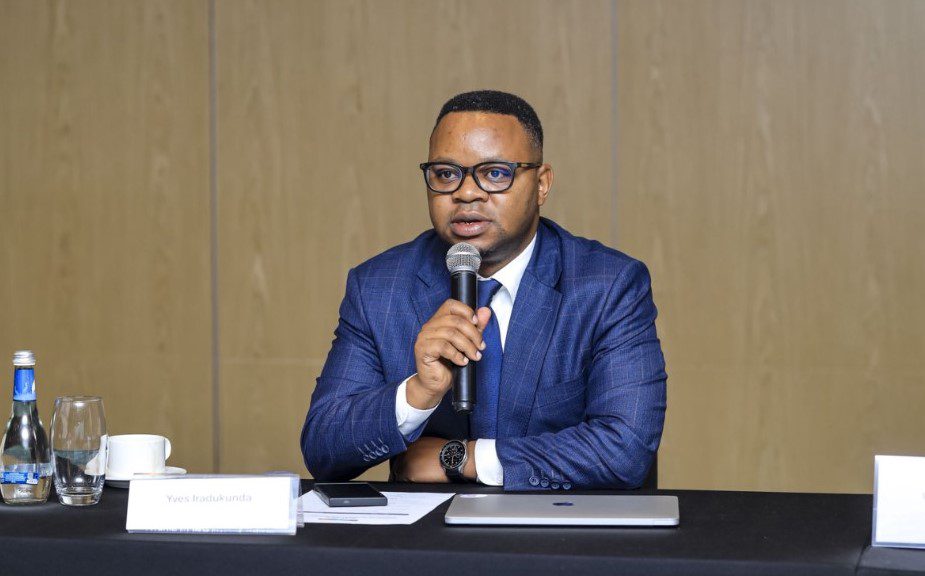
Iradukunda emphasized that this is merely the beginning, with expectations for further investments to expand the project’s reach and impact. The AI Scaling Hub will act as a centralized platform dedicated to developing and deploying AI technologies that address Rwanda’s most urgent societal needs.
One of the initiative’s standout features is its inclusive approach. The Minister highlighted that the hub’s innovations will directly uplift underserved populations, especially those in rural areas, by tailoring solutions to Africa’s distinct challenges.
The hub’s focus spans a variety of transformative applications, including AI-powered telemedicine, ultrasound imaging enhanced by AI, intelligent agricultural advisory services, and automated digital learning assessments.
Also Read: Rwanda to formalise tech education with first-ever private coding academy.
The Significance of the AI Scaling Hub for Rwanda
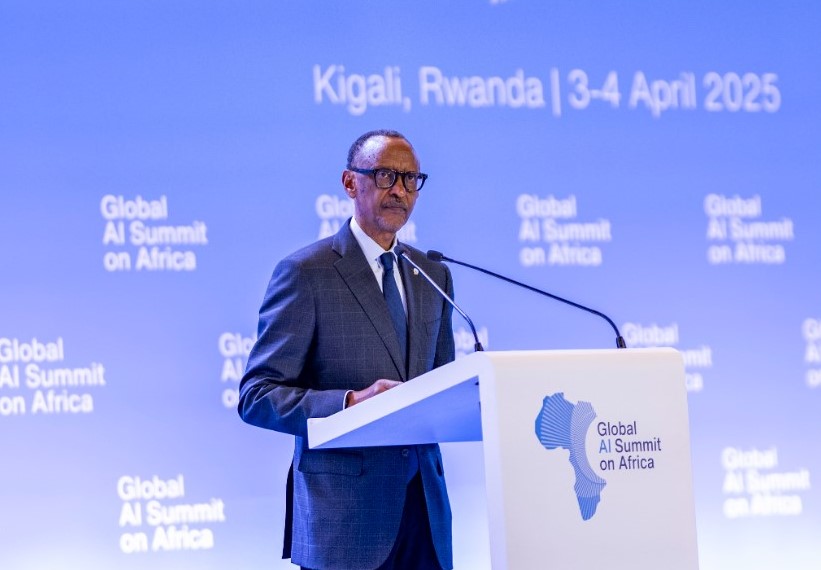
Unveiled at the Global AI Summit on Africa in April 2025, the AI Scaling Hub is a cornerstone of a broader continental strategy. At the summit, four regional hubs were introduced, with Rwanda’s Centre for the Fourth Industrial Revolution (C4IR) honored as the host of the inaugural hub.
A flagship project under this initiative is the AI-enhanced telemedicine platform developed in partnership with Irembo. This service will enable remote consultations via SMS, chat, and voice, specifically designed to serve rural communities by providing medical advice and digital prescriptions in Kinyarwanda, the local language.
The platform also incorporates an AI-powered triage system that evaluates symptoms and directs patients to the appropriate healthcare services.
Additionally, the Rwanda Medical Supply (RMS) agency is implementing an AI-based supply chain management system to improve demand forecasting and procurement processes. This innovation aims to reduce medication shortages and lower costs, thereby enhancing the efficiency and sustainability of the healthcare system.
In maternal health, Rwanda is pioneering AI-assisted ultrasound technology to support nurses and midwives in remote locations. This tool enables rapid detection of pregnancy complications, contributing to better outcomes for mothers and infants and helping to reduce maternal mortality rates.
The agricultural sector will also benefit from AI through an advisory system that delivers real-time farming advice to smallholder farmers, particularly women and youth, via WhatsApp, SMS, and voice messages. This service covers pest management, crop care, and soil health.
Furthermore, AI will streamline educational assessments in primary schools by enabling teachers to upload images of students’ answer sheets for instant evaluation. This technology will assist educators in delivering personalized support, especially in classrooms with high student-to-teacher ratios.
Through this comprehensive initiative, Rwanda is harnessing AI to transform key sectors and address everyday challenges in health, agriculture, and education.