


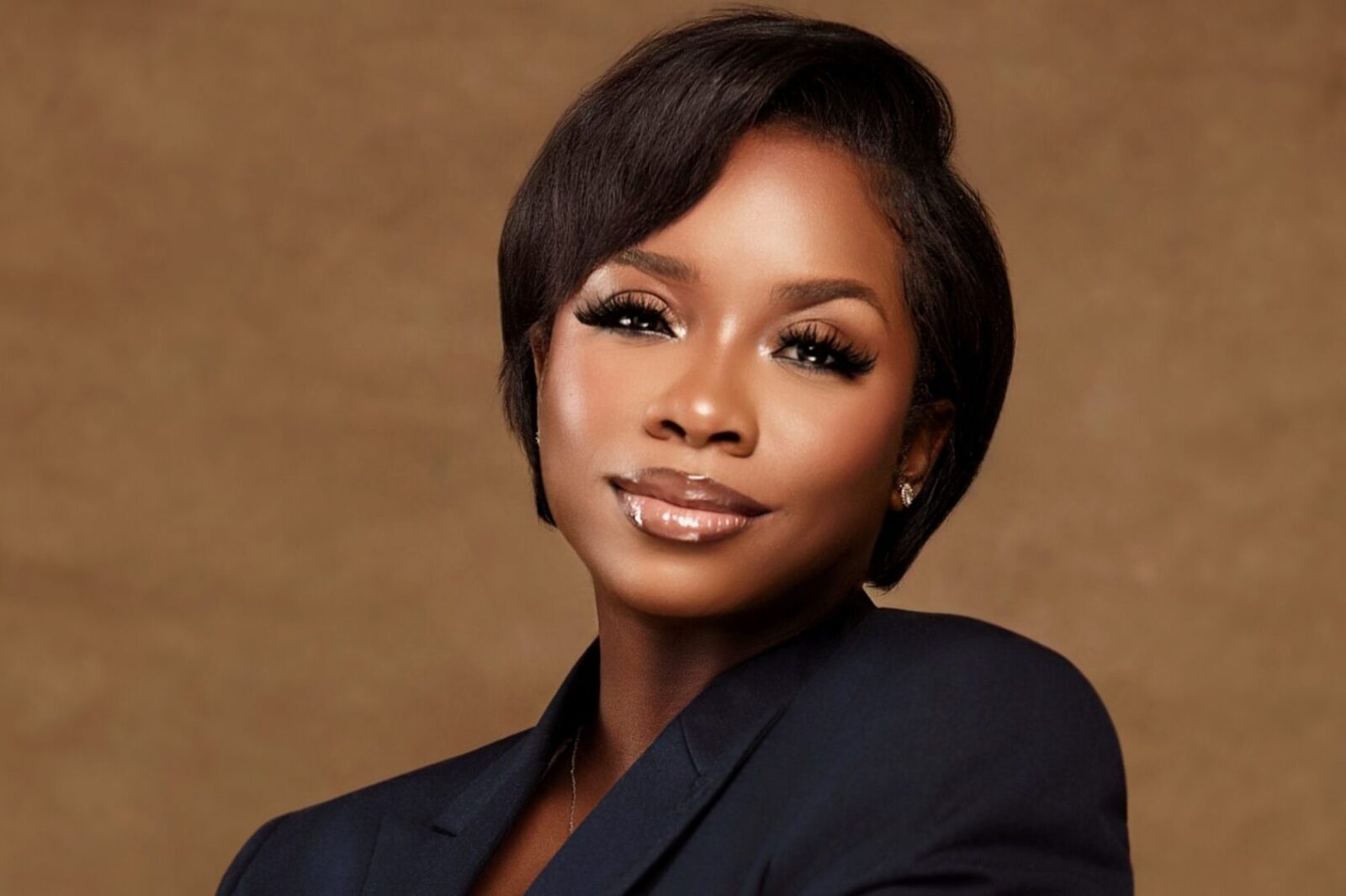
Have you ever been amazed at how actors effortlessly embody their characters, whether portraying everyday individuals or fantastical personas? The secret behind these flawless transformations is the artistry of makeup professionals who bring imaginative visions to life. In Nollywood, one standout artist spearheading this creative craft is Temitope Onayemi, widely recognized as Adella Artistry. As a self-taught specialist in both makeup and special effects (SFX), she has carved a unique niche in the Nigerian film scene, seamlessly merging visual aesthetics with compelling storytelling.
Her portfolio boasts a range of styles, from the raw, realistic looks in King of Boys to the magical transformations featured in Nneka the Pretty Serpent and To Kill a Monkey. Through her meticulous work, Adella not only crafts the physical appearance of characters but also enriches the emotional depth and narrative resonance of contemporary African filmmaking.
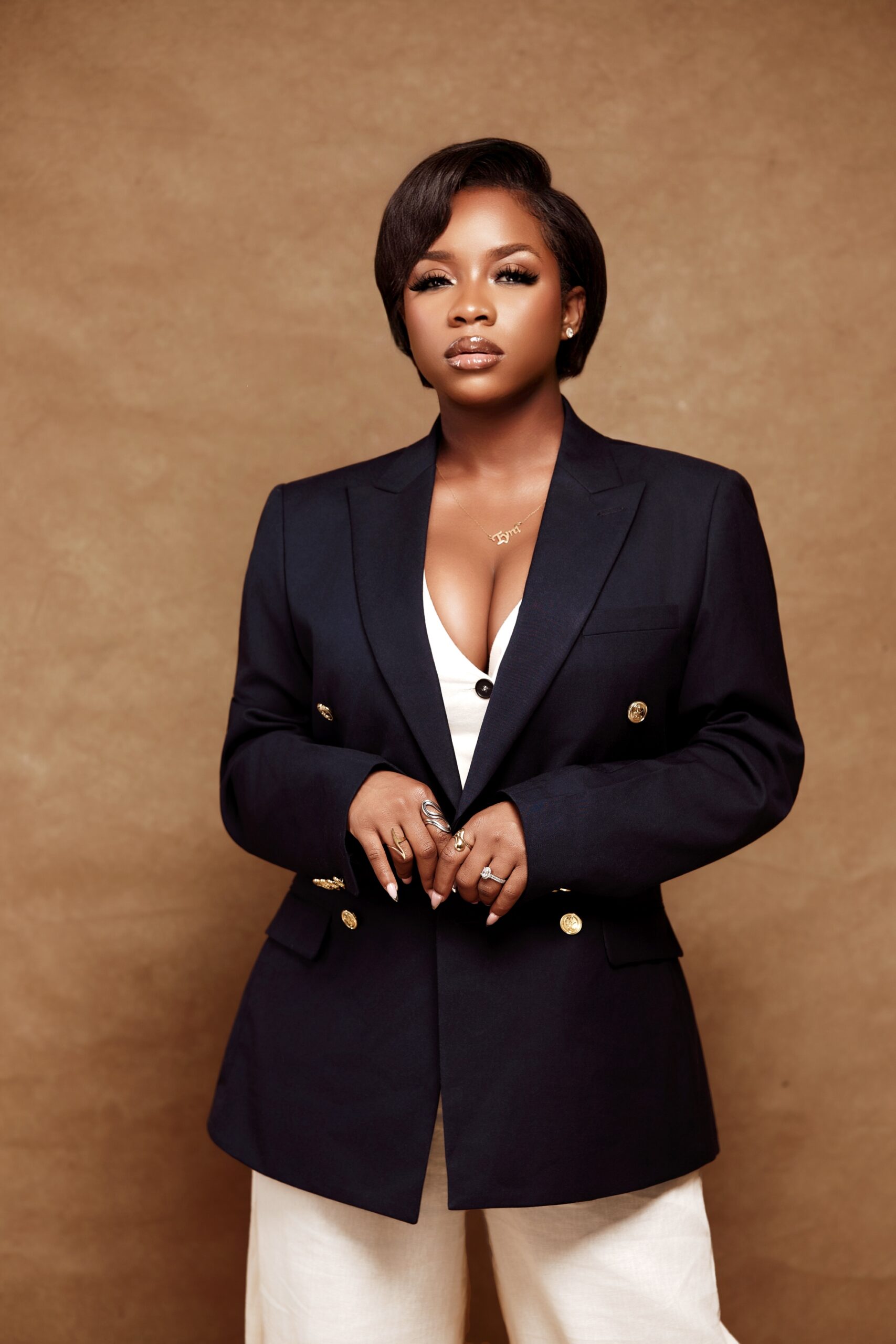
In this in-depth conversation, Temitope shares insights into her journey to becoming a master in her craft, what distinguishes her approach, and how the perception of makeup artistry within Nollywood has evolved over time.
Temitope, how are you feeling today?
I’m feeling wonderful, thank you for asking!
Let’s rewind a bit. What sparked your interest in makeup artistry, and how did you break into the film industry?
Art has always been my primary mode of expression since childhood. When I was about 11, I discovered a talent for drawing, encouraged by a teacher who even allowed me to sketch her during lessons. This early support led me to win several art competitions, including one where I illustrated the historic Longford Cathedral for my school in Ireland.
As I matured, my attention shifted toward the makeup styles I admired in films and magazines. With a background in fine arts, makeup felt like painting anew-only this time, the human face was my canvas. I began recreating celebrity looks, and gradually, my work started gaining recognition.
At 19, I landed my first makeup assignment without actively promoting myself, marking a significant turning point. Being self-taught, that initial opportunity ignited a passion that continues to drive me nearly 15 years later. Makeup became a fresh storytelling medium, allowing me to transform individuals and bring creative visions to life, eventually leading me into the world of cinema.
Reflecting on it, the shift felt natural. The foundational artistic skills remained constant, even as my craft evolved.
That’s truly motivating. Was there a specific project that solidified your commitment to this career?
Absolutely-the film King of Boys, directed by Kemi Adetiba, was a defining experience. It challenged me on multiple fronts, from refining beauty makeup techniques to executing intricate SFX transformations. It was my first major Nigerian film, and the pressure was immense.
Kemi’s confidence in me was remarkable; she entrusted me with the makeup and SFX leadership without hesitation. Outwardly, I maintained composure, but internally, I recognized this as a pivotal moment in my professional journey.
Makeup in cinema transcends mere aesthetics; it narrates a story through every detail-be it a scar, a subtle shade, or a wrinkle. Completing that project left me proud and deeply connected to my purpose. It confirmed that makeup artistry is more than a profession-it’s a craft I was destined to pursue. When you’re truly in your element, even the toughest challenges become manageable.
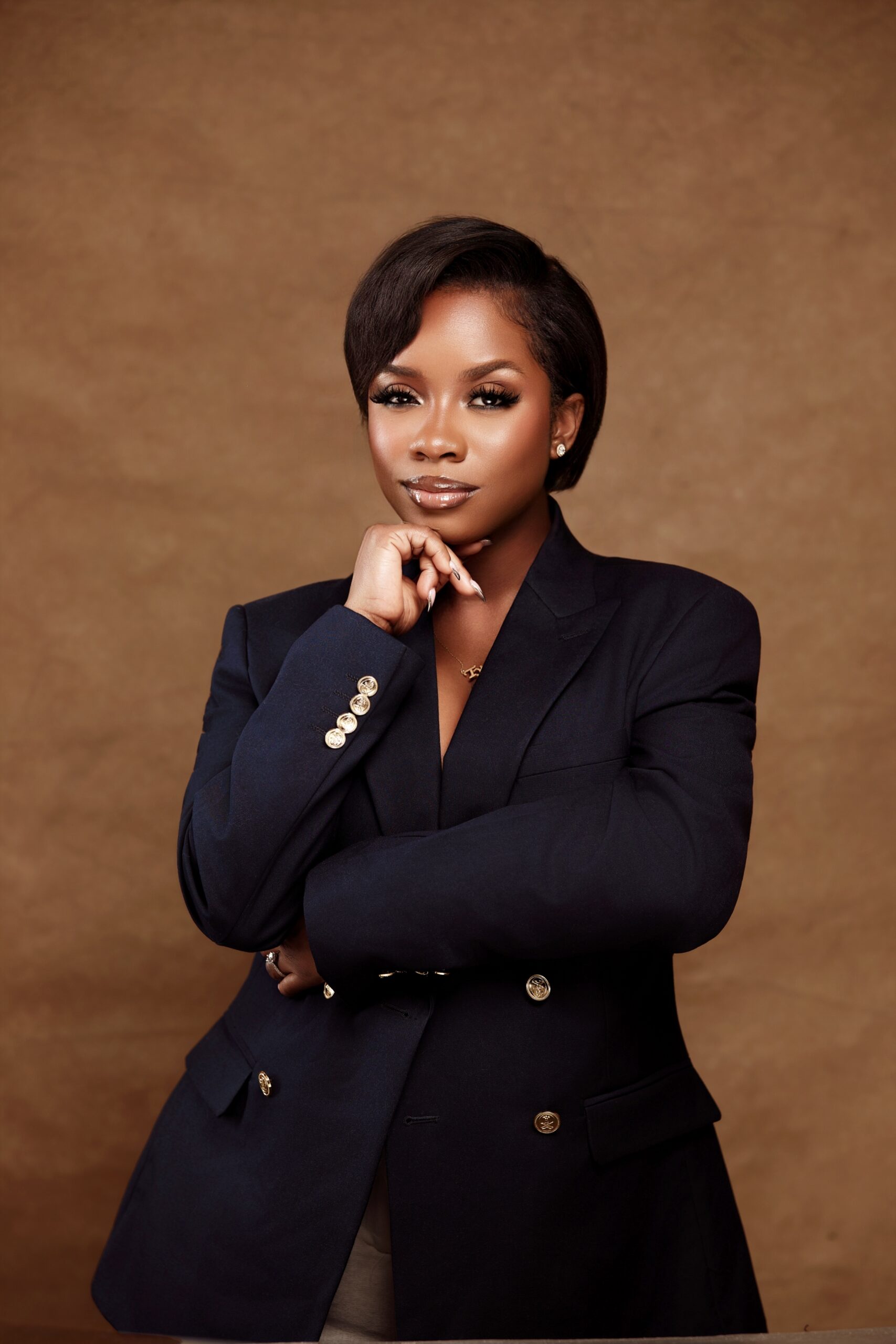
Your expertise covers both traditional beauty makeup and complex special effects. How do you navigate these two distinct disciplines?
For me, beauty makeup and SFX represent two facets of the same storytelling art.
Beauty makeup focuses on subtle enhancement-highlighting an actor’s natural features in a way that feels genuine to their character while ensuring they look impeccable on camera. Often, minimalism is key because the camera captures every nuance. Precision and finesse are crucial.
Conversely, SFX involves dramatic metamorphosis. Whether it’s simulating injuries, aging a character by decades, or crafting entirely new appearances, it blends creativity with technical skill. This demands meticulous planning and patience.
My approach to toggling between these styles begins with comprehensive preparation. I dive deep into the script, understand the mood of each scene, and sync with the director’s vision before applying any makeup or prosthetics. My fine arts training helps me strike a balance between delicacy and boldness, always prioritizing what best serves the narrative.
Among your projects such as King of Boys, Namaste Wahala, and To Kill a Monkey, which stands out as your proudest achievement, and why?
Every project has been a unique opportunity, pushing my creativity in diverse directions. I never take any assignment for granted and feel privileged to collaborate with visionary filmmakers who are transforming Nollywood and uplifting African cinema.
These experiences require resilience, innovation, and leadership. Being entrusted to lead makeup and SFX teams on such impactful narratives is both humbling and rewarding.
That said, I don’t gauge pride by the scale of a production. Whether it’s a modest indie film or a major blockbuster, I approach each with equal passion and dedication because every story deserves excellence.
What were some of the creative or logistical challenges you encountered on these films?
Films like To Kill a Monkey and Nneka the Pretty Serpent truly tested me. The biggest hurdle was juggling tight schedules while ensuring every makeup detail was impeccable and true to the story.
Creatively, these projects marked a turning point. They pushed me beyond conventional beauty makeup into transformative, narrative-driven artistry-from subtle enhancements to bold SFX that completely reinvented characters. Although stepping outside my comfort zone was daunting, it was where I experienced the most growth.
Could you describe your creative workflow from script analysis to the final on-screen appearance? How do you collaborate with directors and actors, and how much influence do you have over makeup design?
I’m fortunate to work with directors who grant me considerable creative freedom during the makeup design phase. My process starts with a thorough reading of the script to grasp each character’s arc, emotional shifts, and visual evolution.
Next, I engage with the director to ensure our visions align, making sure the makeup supports the storytelling.
Collaboration with actors is equally vital. I encourage their input to help them feel connected and confident in their roles, while guiding them toward looks that translate effectively on camera. This partnership nurtures authenticity.
While the director has the final say, I’m grateful for the chance to inject my artistic insight, always serving the narrative. None of this would be achievable without my exceptional team, whose coordination brings these concepts to life flawlessly.
What has been the most technically demanding makeup you’ve crafted, and which techniques did you employ?
The soothsayer role in Nneka the Pretty Serpent stands out. The tight timeline added pressure, and the challenge was to age Waje-who naturally has smooth, youthful skin-in a way that appeared authentic on camera.
I prioritized realism by blending latex applications with fine texturing, precise contouring, and subtle color layering to create natural-looking age lines without seeming artificial. Seeing the transformation come alive on screen was immensely gratifying.
How do you maintain exceptional quality despite the intense time constraints typical on set?
I actually flourish under pressure. The adrenaline from looming deadlines motivates me to deliver my best, and the satisfaction of a successful outcome makes it worthwhile.
Early in my career, I often faced high-pressure scenarios with limited time for hair and makeup, which was frustrating. I used to wonder, “Why am I always given the toughest assignments?”
In hindsight, those moments were invaluable training for the fast-paced nature of film production. I’m also deeply thankful for my skilled team, whose ability to follow direction and work efficiently helps us uphold quality even when time is scarce.
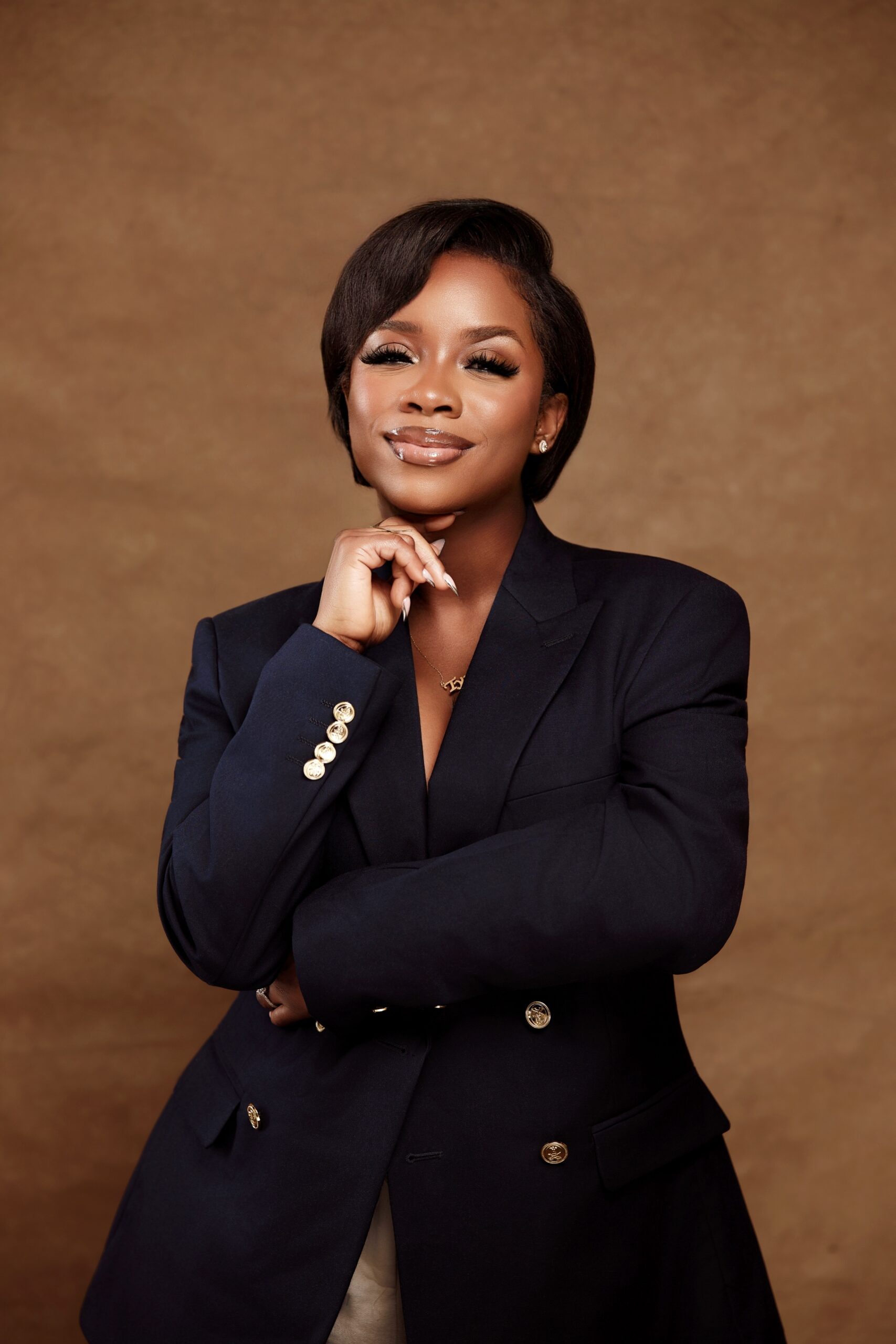
Have you noticed shifts in how the film industry values makeup and SFX since you began your career?
When I started, budgets were limited, and makeup was often undervalued. Effects like aging, wounds, or fantasy elements had to be created with rudimentary tools, and many didn’t fully appreciate the effort required for realistic outcomes.
It’s heartening to witness the progress we’ve made. SFX artists now enjoy greater recognition, better funding, and the creative freedom to fully realize their visions on screen.
Seeing productions not only acknowledge our craft but also enhance it with cutting-edge visual effects to boost authenticity is truly inspiring.
What kinds of projects or genres are you eager to explore next? Are there dream collaborations or makeup challenges you aspire to tackle?
I’m eager to delve deeper into fantasy and grand historical epics-genres that demand bold, imaginative character designs. I look forward to bringing mythical creatures, period personas, or futuristic characters to life through makeup.
Collaborating with visionary directors who dare to tell African stories on a global stage is a dream I hold dear. Our industry is evolving rapidly, and I believe makeup artistry plays a crucial role in elevating how these narratives are experienced and remembered.
Looking forward, my greatest ambition is to continually push my creative boundaries with projects that blend innovation and artistry, while mentoring and inspiring the next generation of makeup professionals.