


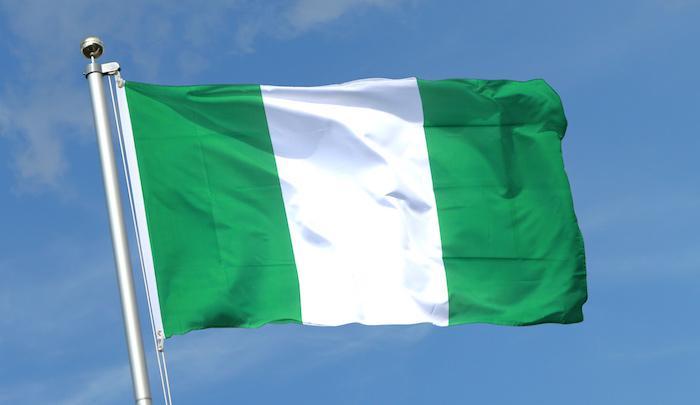
On October 1st, Nigerian schoolchildren will line up in crisp uniforms, flags in hand, rehearsing patriotic songs beneath a sun that spares no one. Politicians will mount podiums, soldiers will salute, and the nation will once again perform the ritual of independence. Yet for millions of citizens, there is little to celebrate. Sixty-four years after self-rule, the freedom Nigerians were promised feels more like a mirage: a hollow ritual of sovereignty overshadowed by insecurity, inflation, and an ever-deepening cost-of-living crisis. The parades may honour independence, but the people remain shackled by hunger, corruption, and despair.
To be clear, it would be false to claim that nothing has changed since 1960. Nigeria has grown into Africa’s largest economy by GDP, with a dynamic fintech sector, a booming creative industry, and a diaspora remitting over $20 billion annually. The present administration, under President Bola Tinubu, insists that current pains are the necessary price of reform. Subsidy removal, exchange-rate unification, and renewed investment drives are presented as bitter medicine meant to cure decades of economic mismanagement. The government claims to be charting a difficult but necessary path, much like India or Indonesia endured turbulence before their economic takeoffs.
Yet here lies the paradox: Nigerians have heard this story before. From “austerity measures” of the 1980s to structural adjustment in the 1990s, every generation has been told to “tighten belts” for a brighter future. Each cycle leaves citizens poorer while political elites grow richer. Reform is not the problem; execution is. Policies are rolled out with haste, but without social safety nets, planning, or the political discipline to resist capture. The result is an economy where the poor bear the heaviest burden of reform, while the privileged remain insulated.
Consider the current subsidy removal. Yes, it was long overdue. Nigeria could not continue bleeding trillions to subsidize consumption. But removing it overnight, without credible palliatives or an efficient public transport system, has driven transport fares, food costs, and school fees beyond the reach of average families. In Lagos, the price of staples like rice and garri has nearly doubled within months. Meanwhile, the government promises palliatives that barely reach beyond photo opportunities. The policy may be right in theory, but in practice, it feels like punishing citizens for the state’s failure to plan.
Inflation hovers around 30 percent, the naira has lost much of its value, and foreign investors remain cautious despite official optimism. If reforms were meant to restore confidence, why then are businesses shuttering, multinationals exiting, and professionals leaving in droves under the “japa” wave? Nigeria is witnessing not just capital flight, but talent flight. This is the most damning indictment of all: citizens no longer trust their leaders enough to stake their futures on this soil.
Some will argue that independence is about more than economics. Nationhood, they say, must be celebrated regardless of hardship. But symbolism cannot mask substance. Compare Nigeria with peers who began the journey at the same time. South Korea, Malaysia, and Singapore have built thriving, innovative economies, while Nigeria is still struggling to provide electricity, secure its roads, or keep its universities open consistently. Even within Africa, Rwanda and Kenya have shown that disciplined institutions and political will can translate to growth. The tragedy is not that Nigeria is poor, but that it has been deliberately impoverished by its own leaders.
This is why the rituals of October 1st ring hollow. We may fly the flag, but the nation is adrift. The challenge is not colonialism; it is our own ruling class, addicted to rent-seeking, incapable of long-term vision, and unwilling to confront the institutional rot that has corroded governance. Until Nigeria wins independence from misrule, all we have is geography, not destiny.
Yet there is still a sliver of hope. It lies not in podium speeches, but in the restless energy of Nigeria’s youth. They are building tech startups, pushing creative boundaries, and finding their voices in activism. They are also voting with their feet, migrating abroad in record numbers. The real question is whether the state can channel this energy inward, rather than exporting it. Can Nigeria build institutions that give its young people a reason to stay? Can reforms move beyond policy papers into live improvements in jobs, security, and justice?
True independence is not declared once a year; it is earned daily through accountable governance, functioning institutions, and an economy that offers dignity. The administration may be right that reforms are necessary, but Nigerians are equally right to demand evidence of progress. Without trust, reforms are simply pain without promise.
As Nigeria turns 65, the lesson is clear: we cannot eat symbolism. We cannot live on nostalgia. Until leaders deliver freedom from corruption, hunger, and insecurity, October 1st will remain a day of flags, not of freedom.
