


In 2025, Nigeria has reported a total of 166 fatalities due to Lassa fever, with the case fatality rate surpassing figures recorded in 2024, according to the latest update from the Nigeria Centre for Disease Control and Prevention (NCDC) released on Thursday.
The NCDC’s epidemiological report for week 37 reveals that the overall death rate has climbed to 18.5 percent, up from 16.9 percent during the same timeframe last year. This increase highlights the ongoing threat that Lassa fever, a viral hemorrhagic illness endemic to certain regions of Nigeria, poses to public health.
During week 37, 11 new confirmed cases were documented, a slight decrease from the 13 cases reported the previous week. These new infections were identified in the states of Ondo, Bauchi, Kogi, and Anambra.
So far this year, 21 states encompassing 106 local government areas have reported at least one confirmed Lassa fever case. Notably, five states account for 90 percent of all cases: Ondo (33 percent), Bauchi (23 percent), Edo (18 percent), Taraba (13 percent), and Ebonyi (3 percent). The remaining 10 percent of cases are distributed among 16 other states.
Analysis of patient demographics indicates that young adults are the most affected group, with the majority of cases occurring in individuals aged 21 to 30 years. The median age of those infected is 30, with patients ranging from as young as one year to as old as 96 years. The gender distribution shows a slight male predominance, with a male-to-female ratio of approximately 1 to 0.8.
Despite the rise in fatality rate, the total number of suspected and confirmed cases in 2025 is slightly lower compared to the same period in 2024, suggesting a modest reduction in transmission. Importantly, no new infections among healthcare workers were reported in week 37.
The NCDC emphasized that the National Lassa Fever multi-partner, multi-sectoral Technical Working Group remains actively engaged in coordinating nationwide efforts for surveillance, treatment, and response to the outbreak.
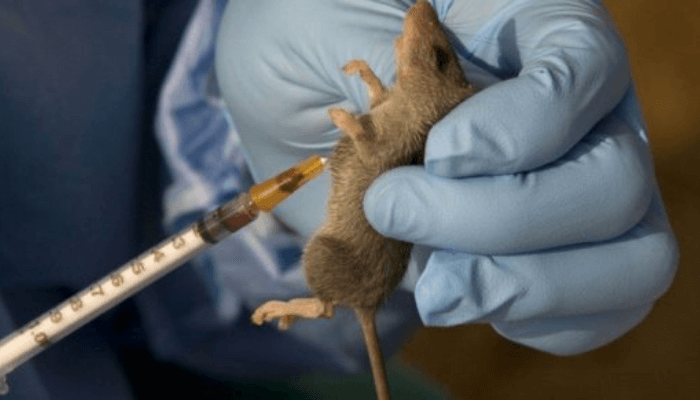
Lassa fever, primarily spread through contact with food or household items contaminated by rodent excreta, continues to be one of Nigeria’s most challenging infectious diseases, demanding sustained vigilance and public health interventions.