


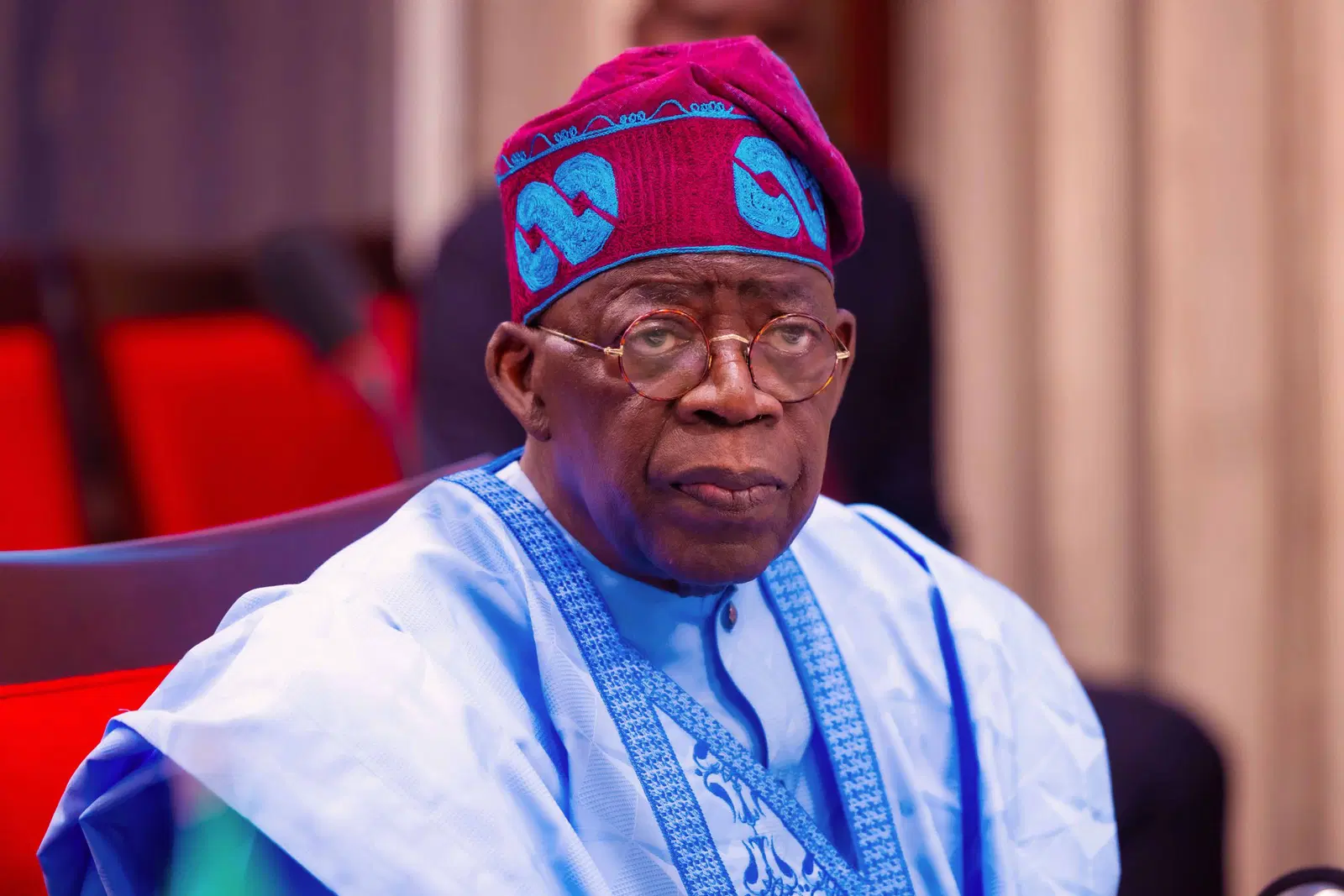
President Bola Tinubu has shed light on the rationale behind the creation of a N200 billion intervention fund aimed at empowering micro, small, and medium enterprises (MSMEs) as well as manufacturers across Nigeria.
Speaking through Vice-President Kashim Shettima at the 31st Nigerian Economic Summit held in Abuja and organized by the Nigerian Economic Summit Group, Tinubu emphasized the critical need to enhance the competitiveness of these sectors and tackle persistent structural obstacles.
He highlighted that beyond the notable 4.23% GDP growth recorded in September 2025, the economic reforms initiated by his government are beginning to deliver measurable improvements across various industries.
According to the president, these outcomes have exceeded expectations set by both international financial institutions and local economic analysts.
Tinubu reiterated that every policy decision under his leadership has been carefully balanced to align economic rationale with the aspirations of the Nigerian populace.
He reaffirmed his administration’s commitment to reviving optimism among the disadvantaged, unemployed, and vulnerable groups by creating accessible financial opportunities, particularly for young entrepreneurs.
“Our government is fundamentally people-centered, prioritizing the restoration of hope for those marginalized by poverty and unemployment,” he stated.
“We have established channels through which young Nigerians can obtain grants, loans, and equity investments up to $100,000, enabling them to expand their businesses, innovate, and secure sustainable livelihoods.”
“The N200 billion intervention fund was specifically designed to support MSMEs and manufacturers, helping them overcome systemic challenges and improve their market competitiveness,” he added.
Furthermore, Tinubu pointed out that expanding access to digital microloans has significantly enhanced financial inclusion, empowering small enterprises and boosting productivity at the grassroots level.
“These initiatives underscore our dedication to building an economy that benefits every Nigerian,” he affirmed.
The president credited the steady progress in stabilizing Nigeria’s economy and restoring public finances to the resilience and sacrifices of the Nigerian people.
“Those well-versed in economic matters understand that the stability witnessed in our foreign exchange market is the result of deliberate, well-informed policy choices,” he explained.
“Measures such as subsidy removal have been instrumental in rescuing public finances, stabilizing the economy, and restoring investor confidence both domestically and internationally.”
“We owe this advancement to the patience and understanding of Nigerians, whose endurance has been the foundation of our progress,” he added.
“To all Nigerians, I assure you that the brighter future we promised is now within reach,” Tinubu concluded.
He also acknowledged a broad consensus recognizing that the ongoing reforms have stabilized the country’s macroeconomic environment, with the economy expanding to N372.8 trillion in 2024 from N309.5 trillion in 2023.
“Our total revenue collection increased from N19.9 trillion in 2023 to N25.2 trillion in 2024, and by August 2025, it had reached N27.8 trillion, surpassing the target of N18.32 trillion,” he revealed.
“These achievements align with our commitment to reduce Nigeria’s debt service-to-revenue ratio from 97% to a more sustainable level,” Tinubu added.
He proudly shared that this fiscal discipline led Fitch Ratings to upgrade Nigeria’s sovereign rating to B with a stable outlook, while Moody’s raised the issuer rating to B3, also with a stable outlook.
“Both agencies commended our enhanced economic foresight and clearer policy direction,” he noted.
Regarding non-oil revenue, the president reported a remarkable 411% year-on-year growth as of August 2025, with the tax-to-GDP ratio rising to approximately 13.5%, up from just 7% a few years prior.
Tinubu assured that the four recently enacted Tax Reform Acts will further strengthen domestic revenue generation, reduce reliance on oil, and simplify tax compliance.
“These reforms safeguard low-income earners, promote fairness in corporate taxation, and foster digital innovation in tax administration,” he explained.
“By enhancing transparency and coordination across all government levels, we are laying the groundwork for a more equitable and prosperous Nigeria,” he concluded.
Mr. Olaniyi Yusuf, Chairman of the Nigerian Economic Summit Group, emphasized the importance of security as a foundation for successful reforms.
“Without peace, reforms cannot take hold, investors will hesitate, and Nigerian youth will struggle to find opportunities for growth,” he warned.
“Addressing insecurity in both rural and urban areas is essential to unlocking productivity and rebuilding confidence,” Yusuf added.