


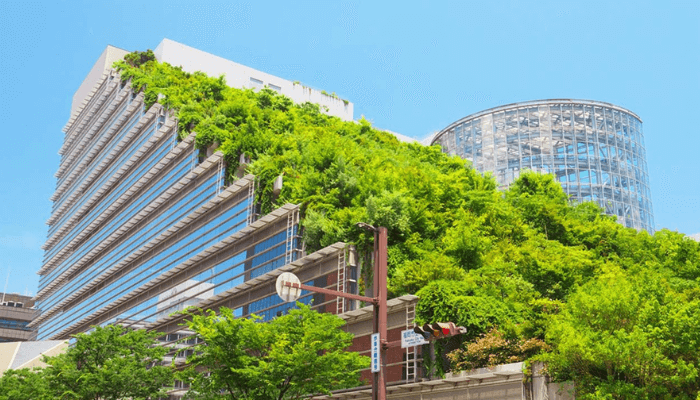
Nigeria is intensifying its efforts toward sustainable construction and reducing greenhouse gas emissions by implementing the Nationally Determined Contributions (NDC) scorecard as part of the Sustainable Building Project. This initiative aligns with a worldwide campaign spearheaded by the World Green Building Council, known as Rebuild Our Buildings.
Currently active in five countries-Nigeria, Egypt, the Philippines, Brazil, and Colombia-the project aims to accelerate climate action within the construction sector. Its core objective is to minimize carbon emissions from buildings and urban environments while boosting their resilience against climate-related risks.
During a recent regional meeting in Abuja, Danjuma Waniko, president of the Green Building Council of Nigeria (GBCN), provided an update on the project’s advancements since its inception in August 2024. He revealed that four national workshops have been held, resulting in the formulation of a detailed Action Plan for Sustainable Buildings.
“We brought together a broad spectrum of stakeholders, including government officials, private sector leaders, financial experts, academics, civil society representatives, and professional bodies,” Waniko stated.
“Together, we assessed Nigeria’s existing built environment, reviewed current policies, identified gaps, and collaboratively crafted an action plan encompassing eight strategic objectives.”
A key recommendation from the plan is the urgent revision and strengthening of building codes and regulatory frameworks. Waniko emphasized that while Nigeria has numerous policies on paper, enforcement remains a critical hurdle.
“The challenge lies in moving from policy formulation to effective execution,” he noted. “Robust implementation and continuous oversight of regulations are crucial.”
Waniko also highlighted the necessity of mobilizing financial resources to support the transition toward a carbon-neutral and climate-resilient built environment. “Access to sufficient funding is essential. We need to encourage investments and unlock innovative financing mechanisms dedicated to sustainable construction,” he added.
Enhancing data collection and research capacity is another vital recommendation. Waniko pointed out the lack of dependable data on emissions, energy use, and climate impacts within Nigeria’s building sector, which impedes the creation of focused, evidence-driven strategies.
He further advocated for pilot programs and demonstration projects to test and showcase practical, locally relevant solutions. “Stakeholders often question the practicality and applicability of sustainable approaches. Demonstration initiatives offer concrete evidence that these methods are both effective and adaptable to our context,” he explained.
Importantly, Waniko stressed the need to promote action at the subnational level, since land use, urban planning, and building regulations fall under the authority of state governments in Nigeria.
“The federal government cannot unilaterally impose building regulations on states. Therefore, we are actively collaborating with regional and state authorities to assist them in implementing the action plan tailored to their specific needs,” he said.
Ahmed Musa Dangiwa, Nigeria’s Minister of Housing and Urban Development, lauded the initiative as a “progressive and visionary strategy” to align the nation’s built environment with sustainability, equity, and climate responsibility.
“Urban development is more than just erecting buildings and infrastructure,” Dangiwa remarked. “It’s about nurturing communities, protecting natural habitats, and creating inclusive spaces where every Nigerian-regardless of income, gender, or location-can thrive.”
Reaffirming Nigeria’s commitment to its Nationally Determined Contributions under the Paris Agreement, the Minister underscored that the built environment is a significant driver of energy consumption and emissions, making its transformation critical for sustainable development.
“Sustainability is not a choice; it is a necessity,” he declared. “It offers opportunities to create jobs, improve public health, reduce poverty, and conserve our environment.”
Dangiwa urged architects, engineers, urban planners, policymakers, and community leaders to adopt the national green building vision with creativity and resolve.
“Our ambition is to build more than just structures; we aim to leave lasting legacies. We seek to design not only cities but sustainable futures,” the Minister concluded. “Together, we can establish Nigeria’s built environment as a beacon of resilience, sustainability, and optimism.”
The ongoing regional workshops are part of a broader strategy to empower state governments to embrace green building practices, embed sustainability into urban planning, and align their policies with national and global climate goals.
The Rebuild Our Buildings campaign represents one of the most extensive global efforts to transform the built environment-a sector responsible for nearly 40% of global energy-related carbon emissions-into a driver of climate resilience and sustainable growth.