


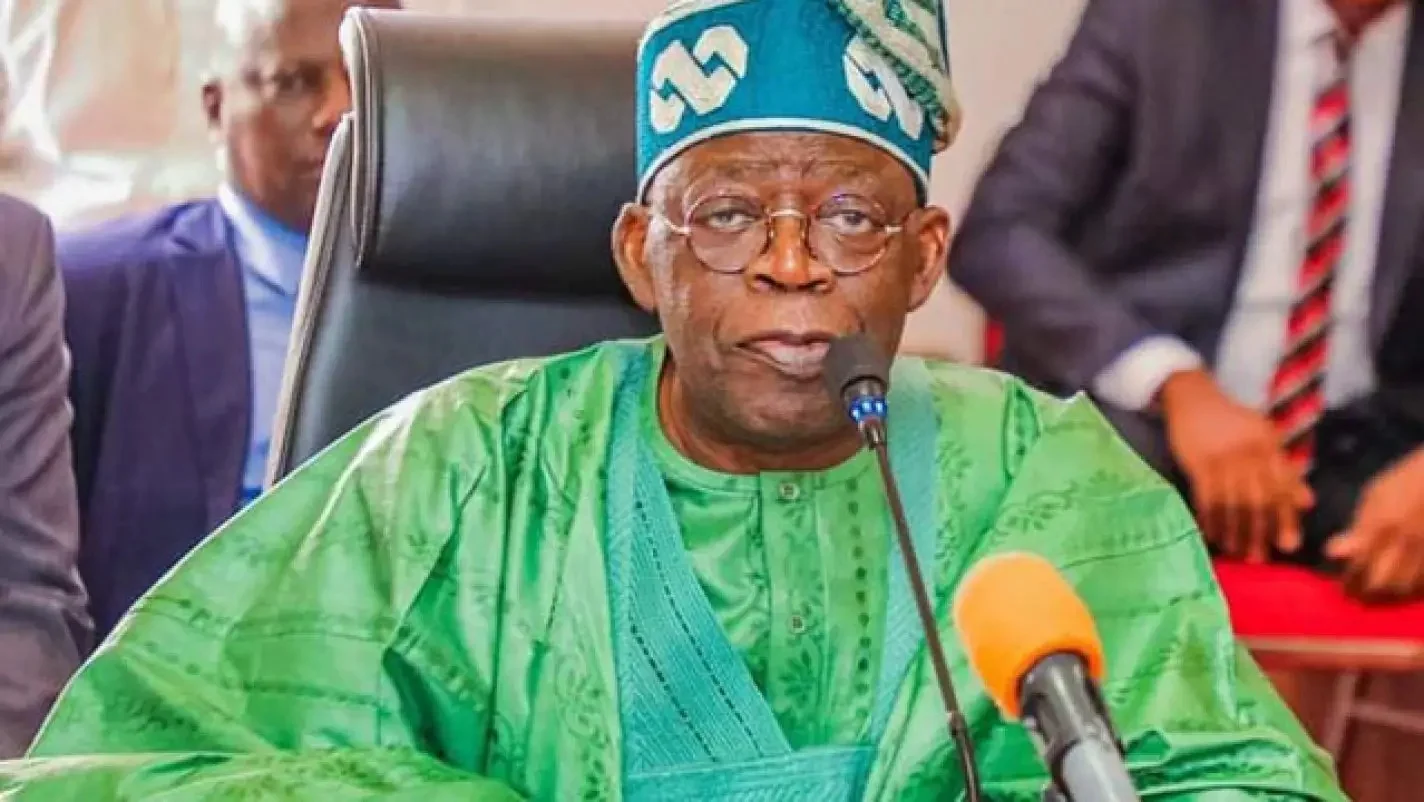
President Bola Tinubu has declined to endorse two recent Bills passed by the National Assembly, citing concerns that certain clauses contradict federal policies, present financial hazards, and could weaken effective governance.
At Tuesday’s plenary session, marking the Senate’s return from its annual break, Senate President Godswill Akpabio officially conveyed the President’s objections to the lawmakers.
The first Bill rejected was the proposal to establish the Nigerian Institute of Transport Technology (NITT). While the President acknowledged the bill’s commendable goals, he highlighted several problematic provisions.
A key issue was the clause allowing the institute to impose a 1% levy on all import and export freight charges. President Tinubu criticized this as an excessive and unfair tax burden on businesses, inconsistent with the Federal Government’s current tax policies.
Moreover, the Bill empowered the institute to borrow up to ₦50 million without presidential approval and to invest public funds, despite the agency lacking a revenue-generating structure.
The President warned that such measures could lead to financial mismanagement and violate established fiscal discipline protocols.
“Endorsing these provisions would expose the government to significant fiscal and administrative risks and set a dangerous precedent,” he stressed.
In addition, President Tinubu withheld assent from the National Library Trust Fund (Establishment) Amendment Bill 2025, citing contradictions with existing laws and government directives.
He pointed out that the Bill conflicted with core government policies on public institution funding, taxation, public servant remuneration, as well as age and tenure regulations.
The President argued that approving the Bill in its current form would establish an unsustainable precedent against the public interest.
In both letters, Tinubu urged the Senate to review and amend the Bills to address the identified issues.
“I am confident the Senate will make the necessary adjustments to ensure these laws align with prudent policy and fiscal responsibility,” he affirmed.
Responding, Senate President Akpabio thanked the President for his meticulous evaluation and acknowledged the need for further refinement of the legislation.
“This demonstrates the President’s diligent oversight and attention to detail. It is now incumbent upon us to revisit the Bills to guarantee their compliance with national policy goals and fiscal accountability,” Akpabio told the Senate.
Subsequently, both Bills were referred to the relevant Senate Committees for comprehensive review and appropriate amendments.