


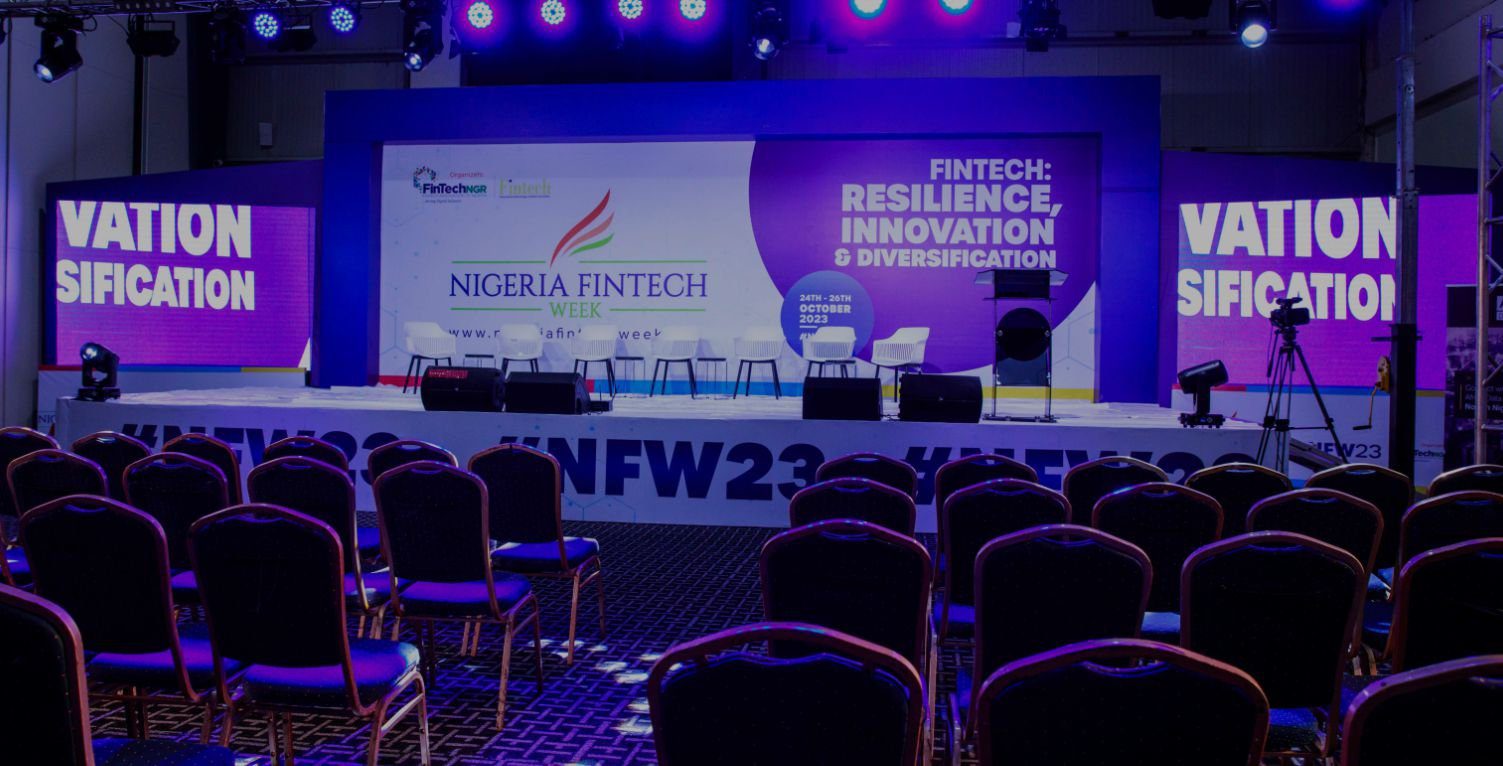
The inaugural day of Nigeria Fintech Week 2025 kicked off with palpable enthusiasm and anticipation. Innovators, regulators, and investors from across the nation gathered, united by a shared urgency to shape the future of fintech in Nigeria.
At the forefront was Dr. Segun Aina, President of the Africa Fintech Network, who addressed the audience with the confidence of someone who has witnessed the fintech sector evolve from fragmented startups into a powerhouse spanning the continent.
Reflecting on the event’s history, he remarked, “This has been one of the most remarkable editions yet,” adding, “each year, the platform grows stronger, embodying the essence of tomorrow’s entrepreneurial landscape.”
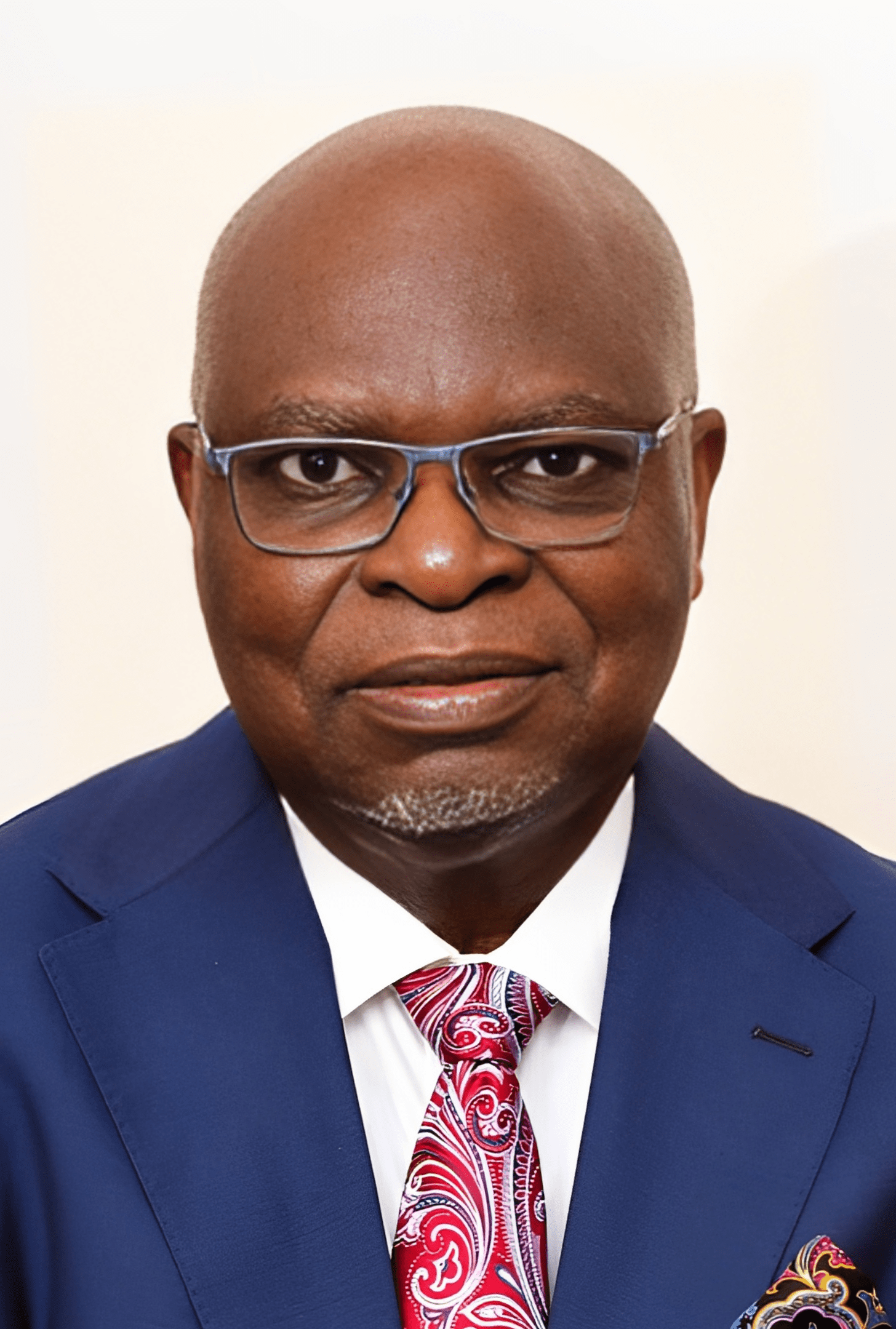
His statement quietly underscored the remarkable progress Nigeria’s fintech ecosystem has made-from grassroots mobile banking initiatives in bustling Lagos communities to innovative payment platforms developed in Ibadan and adopted continent-wide. This journey highlights how creativity can flourish even amid complexity.
Yet, as the day’s discussions revealed, the focus has shifted beyond mere innovation. The pressing need is for sustainable, inclusive fintech solutions that operate transparently and harmoniously with regulatory frameworks.
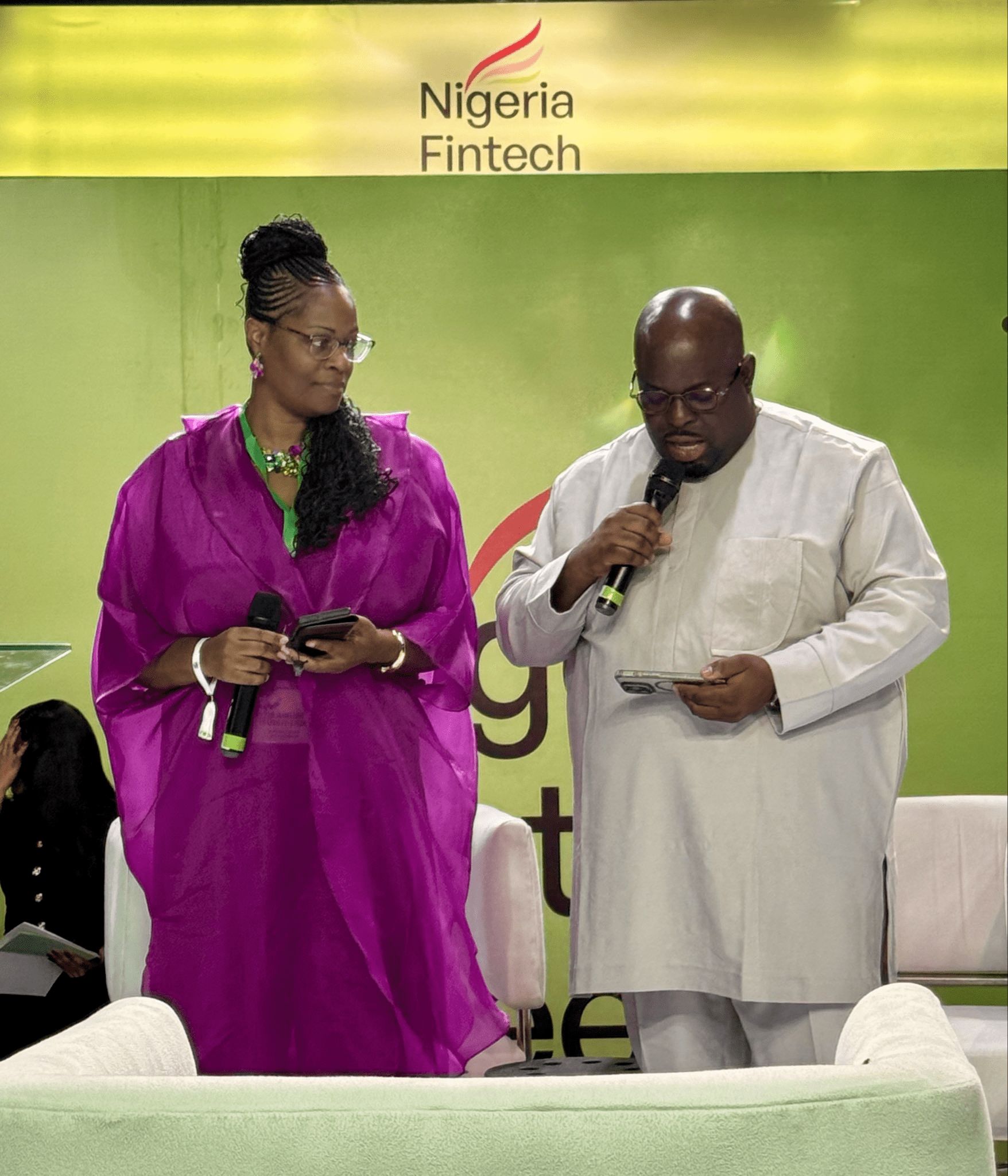
Fintech NGR & Host, Nigeria Fintech Week and Dr. Jameelah Sharrieff-Ayedun, Vice President, Fintech NGR and Chairman, Nigeria Fintech Week, at the 2025
Fintech Week Day 1 (IMG: Webtv)
Striking harmony within Nigeria’s fintech ecosystem
Next to address the gathering was Yusuf Rakiya Opemi, Director of the Payments System Supervision Department, speaking on behalf of the Central Bank of Nigeria Governor, Olayemi Cardoso. His message balanced optimism with prudence.
He opened by recognizing the sweeping changes transforming Nigeria’s financial landscape, urging attendees to view regulation as an ally rather than an obstacle.
“Our fintech environment thrives on a dynamic interplay between innovators and regulators, balancing inclusion with security, and fostering both competition and cooperation,” he emphasized. “Compliance with verification standards is not a hindrance but a foundation for lasting growth.”
This perspective resonated strongly with entrepreneurs and operators who have often felt the strain of regulatory oversight.
He clarified that the CBN’s intent is not to hinder innovation but to ensure that technological advancements do not compromise financial stability. The delicate balance between fostering progress and safeguarding the system is especially pronounced in Nigeria.
Every regulatory adjustment can impact millions of small enterprises and consumers who depend on fintech services for managing money, saving, and trading.
To illustrate, he shared compelling statistics: “In the past year alone, digital transactions reached 4.12 billion, amounting to ₦384 trillion as of July 2025.”
The impressive figures sparked murmurs, underscoring the deep integration of digital payments into Nigeria’s economy. However, this growth also brings complex challenges around regulation, trust, and ensuring access for all.
He acknowledged that while urban centers enjoy seamless digital transactions, rural areas still face significant hurdles. Many remote communities rely on informal agents for cash access. “Financial inclusion transcends technology,” he noted. “It means guaranteeing every Nigerian, whether in a metropolis or a distant village, can engage fully in the digital economy.”
He also referenced recent regulatory initiatives, such as the CBN’s efforts to formalize agent banking, including new daily transaction caps for point-of-sale agents and mandatory geo-tagging of devices. These measures aim to enhance transparency and accountability within the expanding agent network.
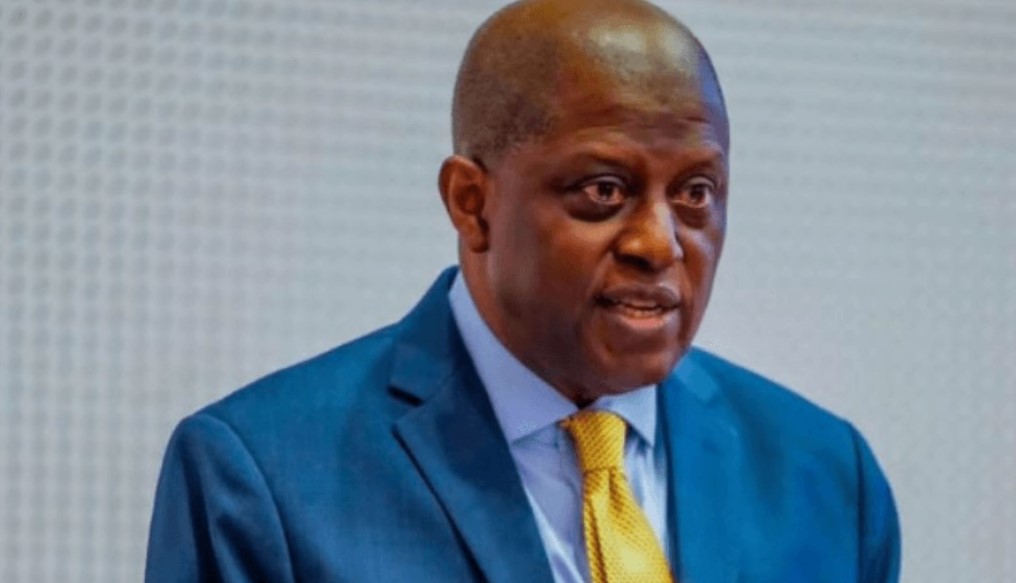
Beyond regulatory compliance, he stressed the importance of forging strong partnerships between regulators and innovators. “The future of fintech depends on collaboration, not isolation,” he said. “We must foster cooperation among banks and startups, government and private sector, established firms and emerging disruptors.”
His address was contemplative rather than rousing, leaving the audience with a lasting impression: building a digital economy is akin to conducting a symphony, where every participant must listen and harmonize with the others.
When Blessing Adediran took the stage to deliver a keynote on behalf of Senator Tokunbo Abiru, the focus shifted from regulation to aspiration.
“This year’s theme, Orchestrating Nigeria’s Digital Future, is a rallying cry,” she declared. “It reminds us that the innovations we nurture today will define our nation’s tomorrow.”
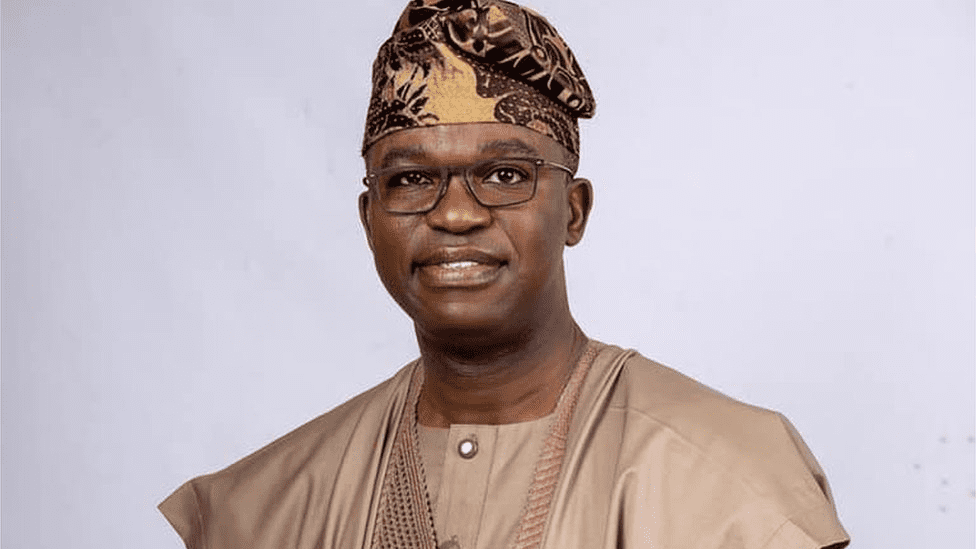
She paused deliberately before adding, “Just as a symphony requires many instruments, our digital future demands collective effort.”
This metaphor resonated deeply at Nigeria Fintech Week, which was simultaneously hosted in two other cities. For years, Nigeria’s digital narrative has often celebrated lone pioneers who overcame obstacles.
Adediran reframed this story, emphasizing that the country’s success hinges on unified action-bridging public and private sectors and crafting policies that proactively encourage innovation rather than merely respond to it.
She highlighted the necessity of a strategic approach to cultivating digital talent, empowering homegrown startups, and aligning national infrastructure with the demands of a globalized technology economy. “Through strong partnerships and shared vision,” she concluded, “we will build a Nigeria that is not only digitally empowered but also a global innovation leader.”