


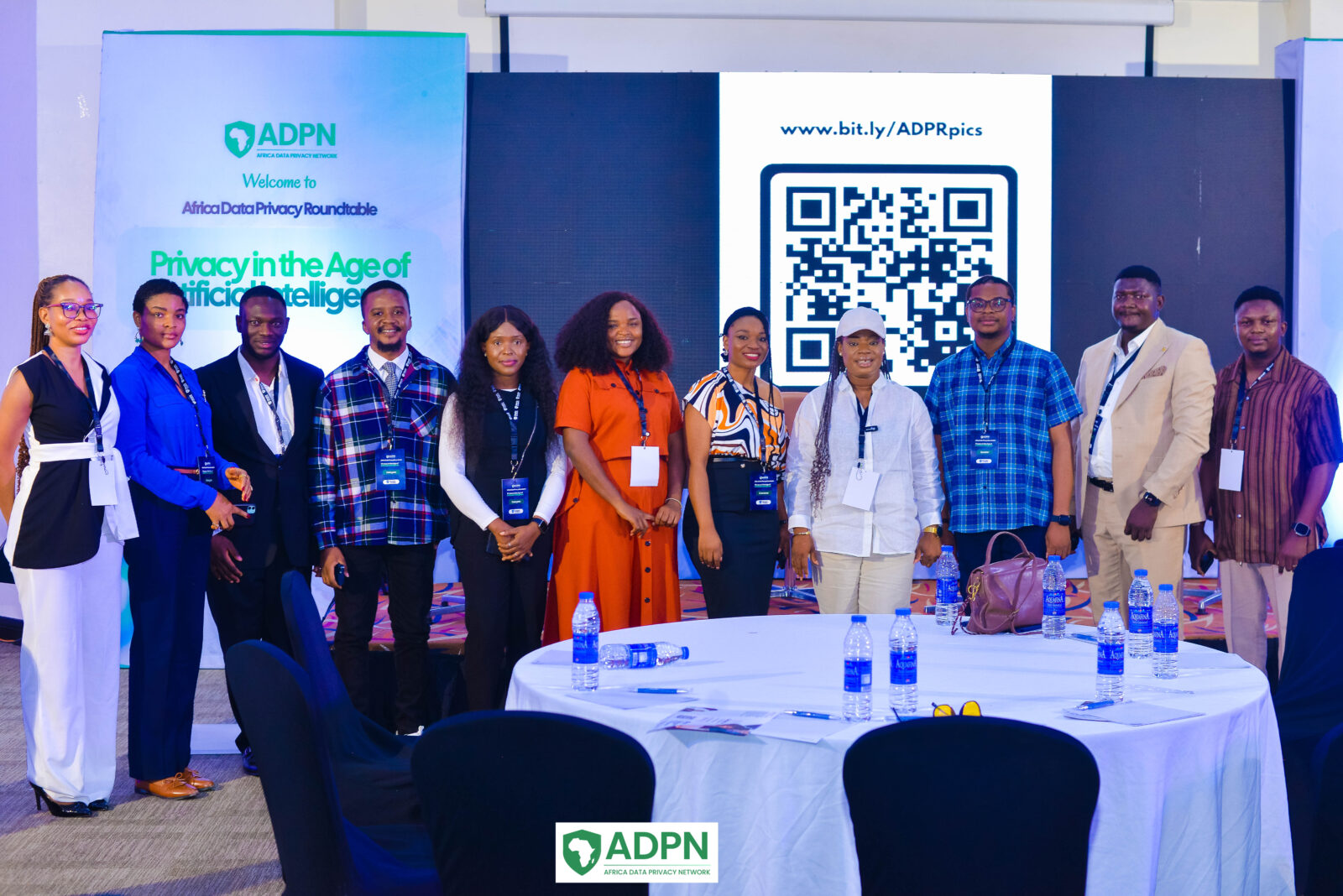
The Africa Data Privacy Roundtable launched in Lagos on Monday, October 6, delivering a powerful message from its organisers and speakers: Africa’s digital future hinges on trust, privacy, and ethical innovation.
Hosted by the Africa Data Privacy Network, the event convened data protection officers, legal experts, tech entrepreneurs, and AI specialists to explore the theme, Privacy in the Age of Artificial Intelligence.
Across the continent, the rapid expansion of artificial intelligence has intensified the gathering and use of personal data. According to a 2024 International Telecommunication Union report, internet access in Sub-Saharan Africa has surged, doubling in under ten years to surpass 400 million users.
This surge in digital connectivity has thrust data privacy and protection into the spotlight as critical governance challenges. Nigeria, a leading digital economy in Africa, has witnessed a significant increase in data exchanges driven by fintech, health technology, AI research, and government digital initiatives.

Trust: The Cornerstone of Digital Progress
The roundtable opened with remarks from Isaac Esther, Operations Director at the Africa Data Privacy Network, who described the gathering as “a convergence of visionary leaders, a united front for change, and a shared pledge to shape Africa’s data privacy landscape.”
Esther emphasized that the continent’s digital ecosystem cannot flourish without mutual trust among users, enterprises, and governments. “Artificial intelligence thrives on data, and data thrives on trust. Without trust, innovation cannot genuinely benefit society,” she asserted.
She further highlighted that privacy has evolved from a theoretical notion to a “vital, personal, and immediate concern.”

Since the inception of the Nigeria Data Protection Commission in 2023, Nigeria’s efforts to safeguard data have intensified. Over 200 entities have registered as data controllers and processors, while the National Identity Management Commission continues to enroll citizens in its digital ID initiative.
Nonetheless, experts caution that legislation alone cannot resolve privacy issues. Esther urged a paradigm shift in how organisations balance compliance with innovation.
“At ADPN, our goal is clear: to raise awareness, build expertise, and foster cross-sector collaboration so that privacy transcends policy and becomes ingrained in everyday practice,” she explained. “Compliance and innovation are complementary forces, not adversaries.”
This perspective set the stage for a day filled with dialogues transitioning from policy frameworks to actionable strategies. An interactive poll during the opening session revealed that most attendees placed greater trust in human judgment over AI when it comes to managing their personal data.
This sentiment mirrors findings from the United Nations Conference on Trade and Development, which reported that fewer than 30% of African nations have fully enacted data protection laws, even as AI adoption expands in sectors like finance, agriculture, education, and governance.
Implementing Data Privacy: Real-World Approaches
In a masterclass titled Privacy in Practice, Tosin Nathaniel Luz, Executive Director of the Africa Data Privacy Network, guided participants on harmonizing regulatory compliance with innovation.
She observed that many African entrepreneurs view compliance as a cumbersome obligation rather than a foundation for building trust. “Compliance is not merely a formality; it is the bedrock of trust,” she emphasized.
Tosin likened data to a vital resource fueling the digital economy. “Data is the new energy source. Just as electricity powers homes, data energizes the digital ecosystem,” she said. “When trust is established, people are willing to invest and engage. Compliance is a pathway to earning that trust.”
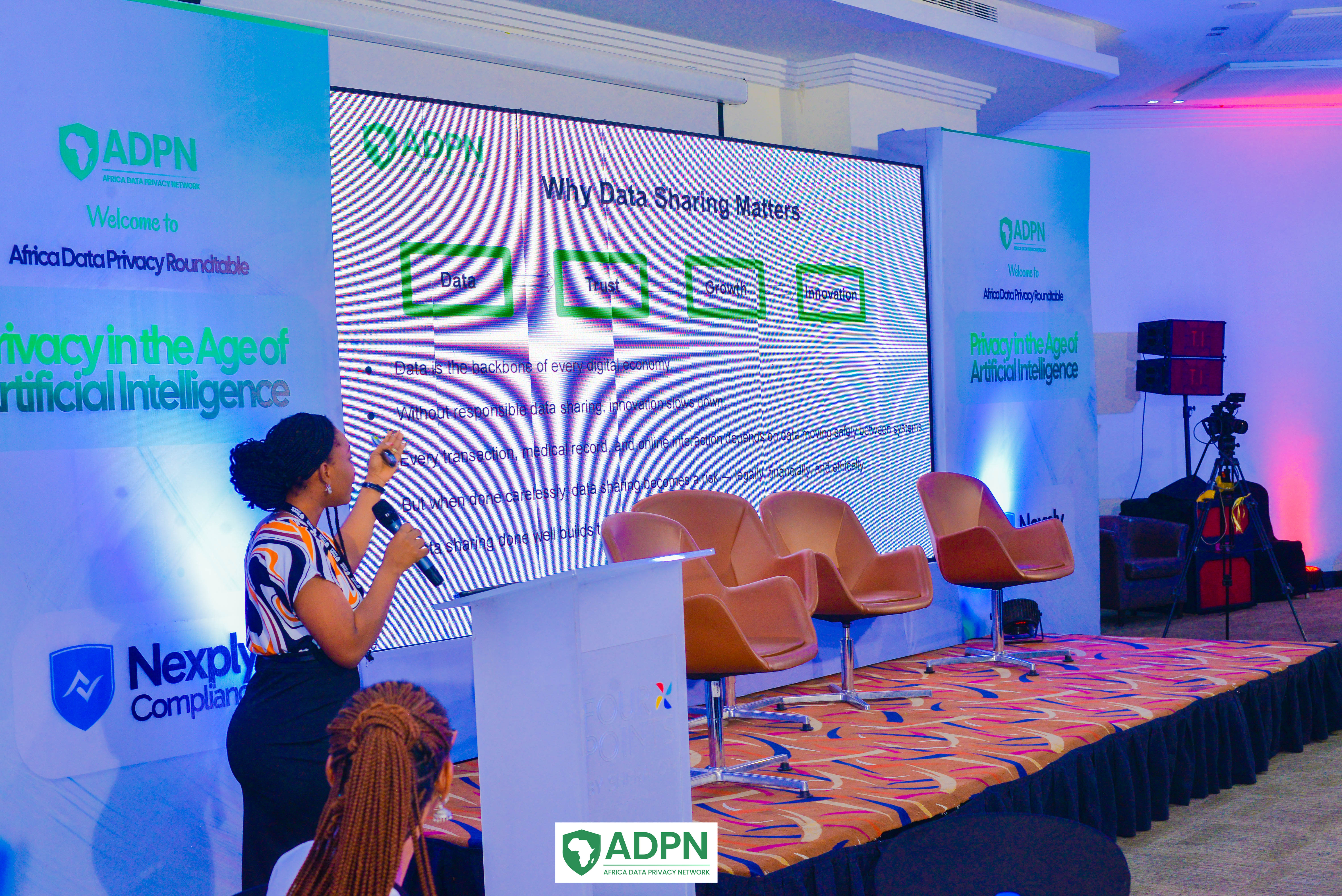
Her presentation stressed the importance of embedding privacy by design in startups, financial institutions, and other enterprises, ensuring compliance is integrated from the outset rather than retrofitted. “Compliance should not hinder innovation; in fact, it is a form of innovation itself,” she told attendees.
The roundtable discussions come amid mounting pressure on Nigeria and other African countries to enhance their data governance frameworks.
In 2024, Nigeria’s digital economy contributed over 18% to its GDP, according to the National Bureau of Statistics. As digital transactions increase, so do privacy violations, with the National Information Technology Development Agency (NITDA) reporting a rise in data breach complaints over the last two years.
Participants included legal professionals, tech officers, cybersecurity experts, and data protection officials from both private and public sectors. Many highlighted the challenges of ensuring compliance in environments where awareness about privacy remains limited.
Some pointed out that users frequently bypass privacy policies by clicking “agree” without reading terms, while others stressed the need for organisations to develop systems that make privacy safeguards intuitive and automatic.

In her concluding remarks, Tosin Nathaniel Luz encouraged participants to view Africa’s digital journey as an opportunity to set a global example. “Africa has the potential to pioneer responsible innovation as the most enduring path to progress,” she stated.
The roundtable wrapped up with a unanimous call for ongoing cooperation among regulators, businesses, and civil society. As AI continues to permeate various industries, safeguarding privacy must remain a fundamental pillar of Africa’s digital evolution.