


The Federal Government has announced a substantial allocation of ₦297 billion, set to benefit nearly 15 million households across Nigeria through the expanded Conditional Cash Transfer (CCT) program. This initiative is a cornerstone of a broader strategy aimed at alleviating economic difficulties and fostering inclusive development nationwide.
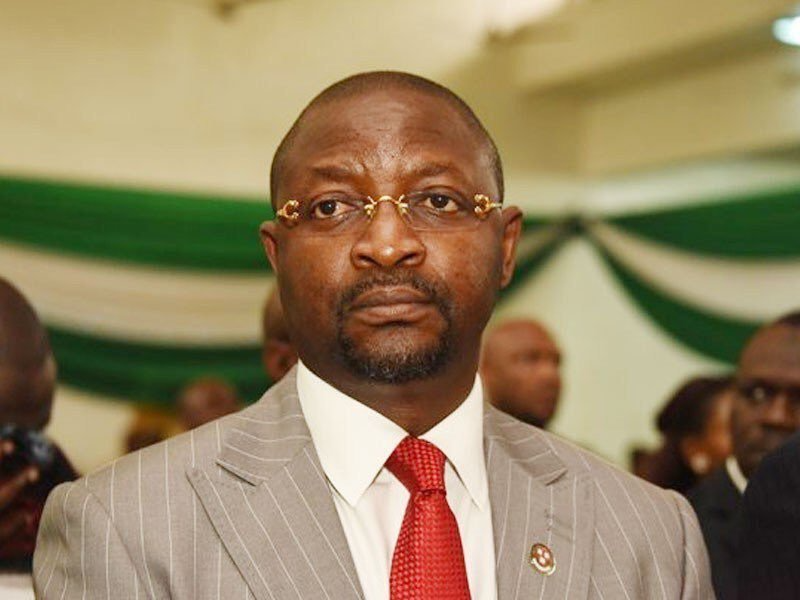
Chief Sunday Dare, the President’s Special Adviser on Media and Public Communication, shared this update on his verified X account, @SundayDareSD. He reiterated President Bola Tinubu‘s steadfast resolve to convert economic reforms into real, positive changes in the daily lives of Nigerians.
Dare emphasized that the Tinubu administration is committed to implementing focused and accountable social programs that extend beyond broad economic metrics to directly improve household well-being.
The CCT initiative, a flagship social safety net, has been broadened to encompass millions of vulnerable and low-income families nationwide. Beneficiaries are selected through a rigorous digital verification process linked to the National Social Register, ensuring equitable and transparent distribution.
Additionally, Dare introduced the Renewed Hope Ward Development Programme (RH-WDEP), which covers all 8,809 electoral wards. This community-based project aims to deliver essential micro-infrastructure, livelihood assistance, and social amenities directly to grassroots populations.
The government is also enhancing existing National Social Investment Programmes (NSIPs), such as N-Power, and the GEEP micro-credit initiatives including TraderMoni, MarketMoni, and FarmerMoni, alongside the Home-Grown School Feeding Programme. These efforts are designed to safeguard employment, stimulate small enterprise growth, and encourage school enrollment.
To address food security challenges, the government is deploying multiple measures to ease inflationary pressures on staple foods. These include distributing subsidized grains and fertilizers, fostering mechanized farming collaborations, and revitalizing strategic food reserves to maintain consistent supply and price stability.
Furthermore, the newly launched Renewed Hope Infrastructure Fund (RHIF) will finance key projects in road construction, energy supply, and housing development, aiming to reduce living expenses and generate jobs at the community level.
The National Credit Guarantee Company (NCGC) is expanding its reach by providing affordable loans to small businesses, women entrepreneurs, and youth through partnerships with commercial banks, according to Dare.
While recognizing the difficulties caused by reforms such as the removal of fuel subsidies and exchange rate unification, Dare described these as courageous and essential actions targeting the root causes of poverty rather than merely addressing its symptoms.
He pointed out, “Even the World Bank recognizes that these reforms are already stabilizing the macroeconomic environment and sparking renewed economic growth.”
The administration is intensifying investments in agriculture, micro, small, and medium enterprises (MSMEs), and power infrastructure to create jobs and lower living costs. Initiatives such as expanding agricultural value chains, advancing gas-to-power projects, and establishing new skills development centers are intended to empower families and boost domestic production.
“As these programs develop, Nigerians can expect notable improvements in food affordability, income levels, and purchasing power,” Dare assured.
He also stressed that the Tinubu government is reinforcing its social investment framework through a unified, data-driven system to ensure transparency and precise targeting.
This all-encompassing approach includes expanding existing NSIP schemes, enlarging the National Social Register, and rolling out the Renewed Hope Ward Development Programme to guarantee that no vulnerable community is overlooked.
Dare concluded by reaffirming President Tinubu’s commitment to empowering households, broadening opportunities, and building a resilient, inclusive economy where growth translates directly into better living standards.
“These reforms are indispensable. The way forward is clear. The groundwork for a fairer, more prosperous Nigeria is being solidly established,” he affirmed.