


By Prince Osuagwu, Hi-Tech Editor
Dr. Ernest Ndukwe, the Chairman of MTN Nigeria, has called on the federal government to substantially boost its funding in the telecommunications industry. He underscored the sector’s pivotal role in accelerating trade, enhancing financial inclusion, and driving innovation across the African continent.
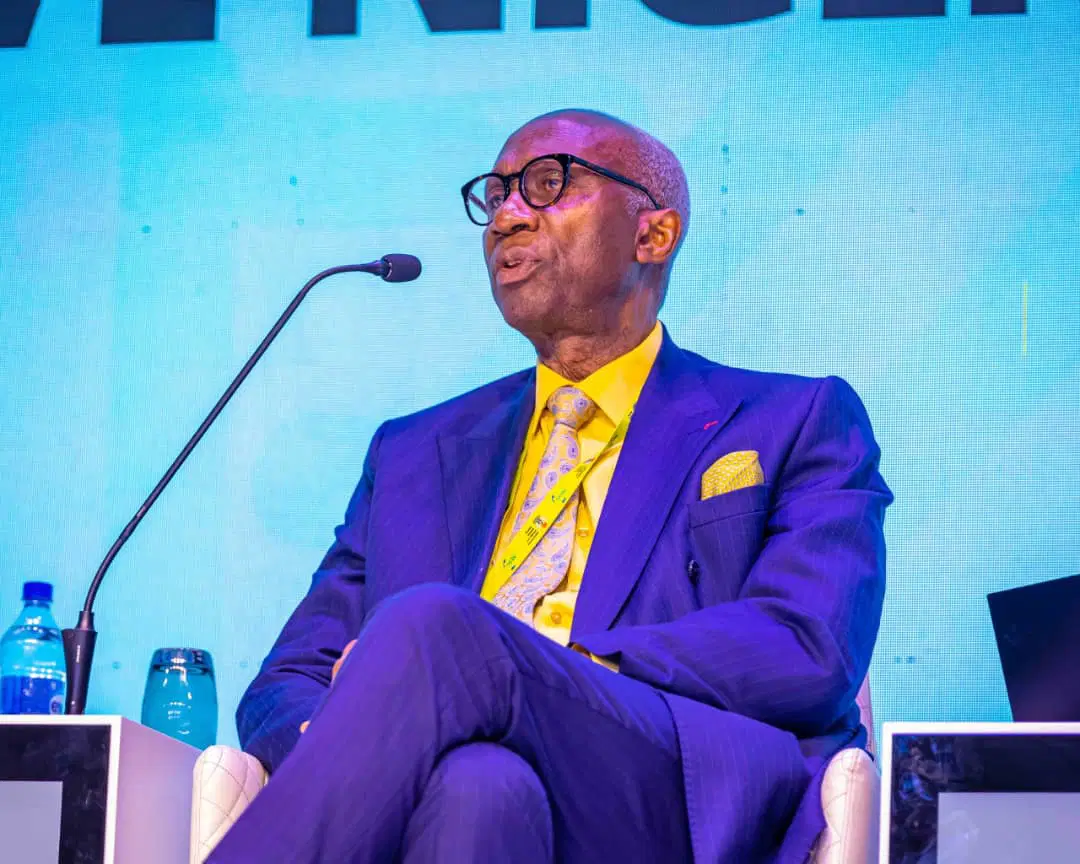
Addressing attendees at the 31st Nigerian Economic Summit (NES) in Abuja, during a panel titled “Titans on the Move: Africa’s Multinationals,” Ndukwe emphasized how telecommunications form the backbone of Africa’s economic progress.
Joining him on the panel were prominent leaders including Olugbenga Agboola, CEO of Flutterwave, Girish Sharma, CEO of Guinness Nigeria Plc, with Cecilia Akintomide, Chairperson of the UN Sanitation and Hygiene Fund, moderating the discussion. The conversation revolved around the essential ingredients for nurturing authentic African multinational enterprises.
When questioned about the formula for building genuine African multinationals, Ndukwe highlighted the balance between profitability and social impact. “Promoting digital inclusion alongside sustainable growth is critical for Africa’s future,” he remarked.
He pointed to MTN’s impressive trajectory, noting that the company ranks among the top global mobile operators, with MTN Nigeria securing a spot within the world’s top 20 by subscriber numbers. This milestone, according to Ndukwe, dispels the notion that Africa is merely a consumer market; instead, it is a fertile ground for world-class, competitive enterprises.
Highlighting the necessity of government support, Ndukwe argued that robust backing for telecom investments is vital. “African multinationals have the capacity to shape global markets,” he said, “and our continent-wide expansion is proof that African companies can lead international dialogues.”
The COVID-19 pandemic further illuminated the telecom sector’s indispensable role, as governments, businesses, and educational institutions relied heavily on digital networks to sustain operations. “Without a strong telecommunications infrastructure, many African economies would have faced crippling setbacks,” Ndukwe noted, urging continuous investment to foster Africa’s economic integration and resilience.
Telecommunications also serve as a critical bridge for millions excluded from conventional banking and educational services. Ndukwe cited the surge of mobile money as a prime example of homegrown innovation tackling local challenges, with telecom providers leading the charge in expanding financial access where traditional banks are scarce.
Addressing the hurdles facing African multinationals, Ndukwe stressed the importance of clear, consistent regulatory environments. “Investments in telecom require billions of dollars, and unpredictable policies hinder long-term planning and capital commitment,” he cautioned.
Other panelists shared complementary views. Olugbenga Agboola of Flutterwave discussed how fintech innovations are streamlining fragmented payment ecosystems to enable effortless cross-border trade. Meanwhile, Girish Sharma of Guinness Nigeria emphasized the necessity of building trust within local communities to ensure sustainable growth.
The session concluded with a shared conviction that African multinationals-from telecommunications and fintech to consumer goods-are not only broadening their footprint but also reshaping the continent’s economic cohesion. For Ndukwe, the overriding message was clear: Africa’s prosperity depends on fortifying and leveraging its often-overlooked telecom infrastructure.
As the dialogue drew to a close, it became apparent that Africa’s private sector is entering a transformative era. Indigenous business leaders are influencing policy, empowering communities, and charting the course for the continent’s next economic chapter. These “titans on the move” are crafting more than companies-they are building a hopeful future for Africa.
The audience responded with enthusiastic applause, underscoring the profound impact of the panelists’ insights. Africa’s time has come, and its multinationals stand at the forefront of this dynamic evolution.