


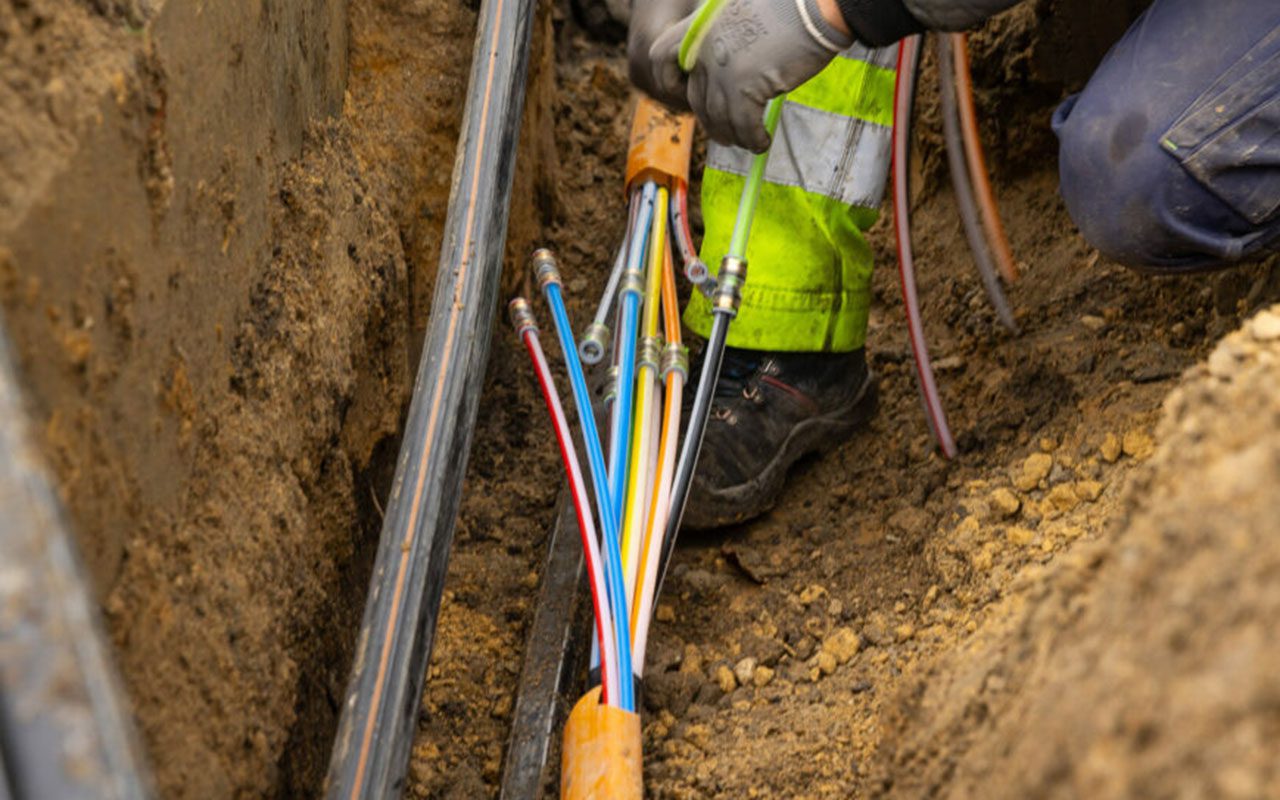
Between January and August 2025, Nigeria’s telecommunications sector experienced a staggering 19,384 fibre optic cable disruptions, as revealed by Aminu Maida, the Executive Vice-chairman of the Nigerian Communications Commission (NCC), during a recent briefing.
At a roundtable convened by the NCC alongside the Ministry of Finance, the World Bank, and the Nigeria Governors Forum, Maida highlighted growing concerns over the escalating sabotage of telecom infrastructure. He emphasized that these attacks pose significant risks to the advancement of Nigeria’s digital economy and national security.
In the same timeframe, the industry also faced 3,241 incidents of equipment theft, coupled with over 19,000 occurrences where access to telecom sites was denied, leading to extended service interruptions.
The repeated vandalism of telecom assets has inflicted substantial financial damage on mobile network operators and disrupted internet connectivity nationwide. These disruptions ripple through critical sectors such as banking, healthcare, education, and public safety, undermining essential services.
Telecom infrastructure-including towers, fibre optic cables, base stations, and data centres-is officially designated as Critical National Information Infrastructure (CNII). Despite this classification, these vital assets continue to be targeted by vandals, thieves, and sometimes uncooperative local communities.
Just two months prior, Maida had sounded the alarm over the industry’s challenges, reporting over 1,100 fibre cuts, 545 cases of denied access, and nearly 100 thefts. He stressed that these figures represent more than mere data points-they translate into service outages affecting millions and financial losses amounting to billions of naira.
“Additional hurdles include unreliable power supply, bureaucratic delays in securing Right-of-Way permits, escalating cybersecurity threats, and security challenges in conflict-affected areas. The sector cannot flourish if technicians face attacks and operators are forced to repeatedly repair the same fibre lines every week,” Maida remarked.

In a related update, MTN Nigeria disclosed that it encountered 760 fibre cuts across the country in July 2025 alone, pushing its total to over 5,478 incidents for the year. By the end of June 2025, MTN had already reported 4,700 cuts, culminating in approximately 13,700 disruptions over an 18-month span.
According to NCC data, telecom services were severely impacted in at least nine states-Rivers, Katsina, Lagos, Enugu, Benue, Anambra, Imo, Abia, and Akwa Ibom-in June 2025 due to multiple fibre cut incidents. This affected all four major mobile network operators: MTN, Airtel, Globacom, and T2mobile (formerly 9mobile).
Related Read: MTN’s 5,478 fibre cuts in 2025 underscore the urgent need for Nigeria’s CNI enforcement.
Initiatives to Safeguard Telecom Infrastructure from Vandalism
During the roundtable, Maida shared updates on ongoing efforts to shield telecom infrastructure from sabotage. He revealed that the Office of the National Security Adviser (ONSA) has successfully dismantled criminal networks responsible for the widespread fibre optic cable vandalism nationwide.
Maida further noted that the partnership with the NSA is beginning to yield positive outcomes in curbing these destructive activities.
“These disruptions have led to extended service outages, revenue losses, increased security expenditures, and delays in restoring connectivity. This underscores why protecting infrastructure must be a top priority for all stakeholders,” he stated.
The NCC is also intensifying enforcement of compliance with Critical National Infrastructure (CNI) protection directives. This follows the 2024 policy signed by President Bola Tinubu, aimed at establishing security standards for telecom sites and fostering the growth of the digital economy.
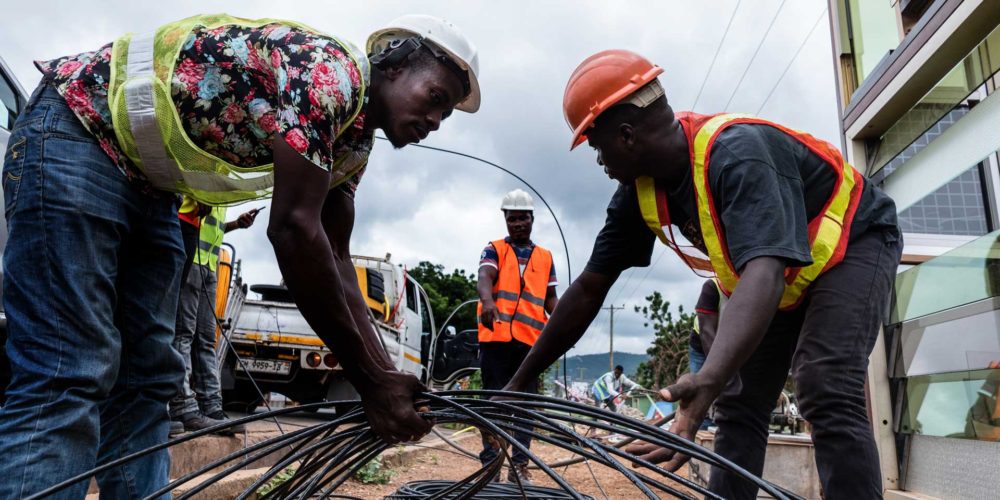
Maida highlighted that poor coordination between public works agencies and telecom operators has exacerbated fibre optic damage. Federal contractors often lack direct communication channels with network providers, resulting in repeated accidental cable cuts during roadworks.
“Previously, there was no effective coordination mechanism. We have now established a joint working group with the Ministry of Works to facilitate early notifications and prevent fibre cuts that could cripple entire states,” he explained.
Looking ahead, the NCC plans to release real-time data on network outages and introduce a ‘Digital Connectivity Index.’ This tool will evaluate each state’s broadband coverage, affordability, and network resilience, providing valuable insights for stakeholders and policymakers.