



MTN, Nigeria’s leading mobile network provider, has unveiled an ambitious initiative to extend its Fibre-to-the-Home (FTTH) service, known as FibreX, aiming to reach 8 million households by 2028. This announcement was made by Egerton Idehen, MTN’s Chief Broadband Officer, during a recent media engagement with the MIP Alumni.
Despite Nigeria’s vast population, fixed broadband penetration remains critically low, with fewer than 2% of homes connected. Idehen emphasized that broadband infrastructure is fundamental to Nigeria’s digital advancement, likening it to “the electricity of the digital era.” He highlighted MTN’s transformation from a conventional telecom operator into a technology-driven company, placing broadband services at the core of this shift.
Currently, MTN boasts 4G LTE coverage across more than 82% of Nigeria and holds the distinction of being the pioneer in launching 5G services nationwide. The company’s FibreX network delivers unlimited, high-speed internet with minimal latency, tailored to enhance productivity and foster digital inclusion for both residential and commercial users. MTN’s goal is to pass 8 million homes and connect 3 million by 2028, significantly expanding its fibre footprint.
Aligning with the Federal Government’s National Broadband Plan and Digital Economy Policy, MTN’s fibre expansion is a strategic move to bolster Nigeria’s economic strength and global competitiveness. The National Broadband Plan (2020-2025) targets 70% broadband penetration, with minimum speeds of 25 Mbps in urban centers and 10 Mbps in rural communities.

Central to MTN’s approach are affordability, superior customer experience, and strategic partnerships. The company collaborates closely with infrastructure companies, state governments, local contractors, as well as homeowners’ associations and real estate developers to integrate fibre connectivity into new housing developments.
Nevertheless, Idehen acknowledged ongoing obstacles such as vandalism, frequent fibre cable damages-averaging 30 to 35 incidents daily-right-of-way challenges, and occasional community pushback. These issues disrupt service continuity and escalate maintenance expenses. He urged for enhanced protection of telecom infrastructure, praising the Nigerian Communications Commission (NCC) for designating it as a critical national asset.
For further insight, see: Nigerian telecoms recorded 19,384 fibre cuts in eight months
Idehen concluded by underscoring that each new home connected by MTN opens doors to education, economic growth, and social connectivity. He reaffirmed MTN’s dedication to fostering an inclusive, dependable, and affordable digital ecosystem for Nigerians. “Our mission transcends profit; we are laying the groundwork for Nigeria’s future innovation and connectivity,” he stated.
MTN’s FibreX Complements, Not Replaces, 5G and Other Networks
Previously known as MTN Fibre Broadband, the FibreX brand was introduced in April and currently covers 16 states, with plans to extend to all 36 states plus the Federal Capital Territory in the near future.
Idehen revealed that FibreX will play a pivotal role in expanding Nigeria’s national fibre infrastructure from 35,000 km to 125,000 km by adding approximately 90,000 km of new fibre optic cables. However, initial deployment will prioritize densely populated urban and semi-urban areas where demand and viability are highest.
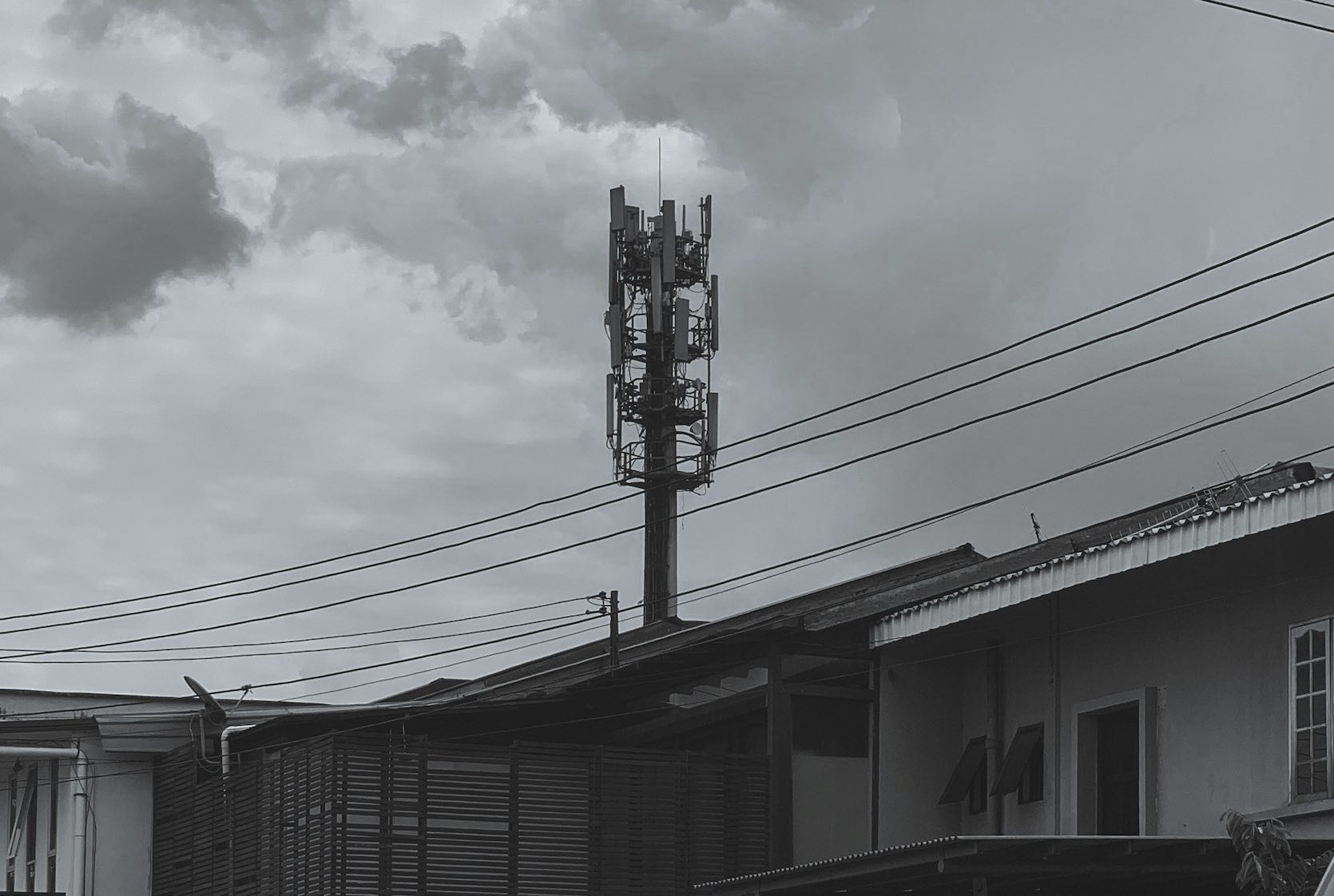
MTN’s strategy involves a dual investment in fibre and 5G technologies, with fibre serving as the essential backbone for stable, high-speed connections, while 5G enhances wireless access. “5G remains a priority; fibre simply underpins robust connectivity in urban hubs. Both technologies work hand in hand,” Idehen explained.
He further clarified that FibreX is not intended to replace wireless networks such as 3G or 4G but to complement them, especially in locations where fibre installation is either too expensive or logistically challenging. “Deploying fibre where infrastructure doesn’t exist is like bringing a luxury car to a dirt road,” he remarked.
MTN is also exploring partnerships with content providers to bundle value-added services, potentially integrating popular streaming platforms like Showmax or Netflix into FibreX subscription packages to enhance customer appeal.