


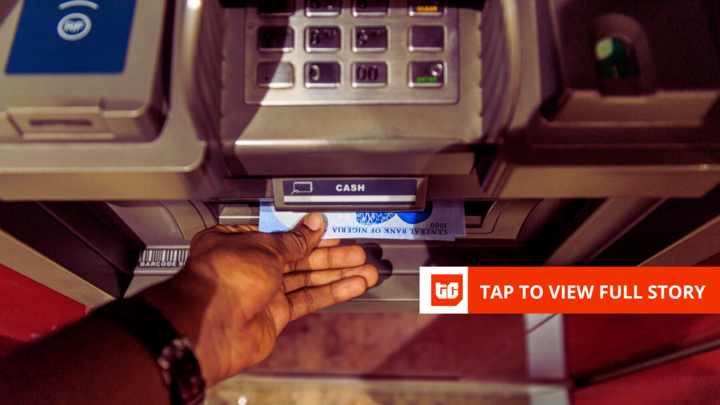
The Central Bank of Nigeria (CBN) has called on banks and independent ATM operators to strengthen their cash distribution frameworks.
In a draft policy released in October 2025, the CBN detailed plans to expand ATM accessibility nationwide, addressing frequent machine downtimes and long queues that have frustrated users. This move complements a recent regulation capping daily PoS transactions at ₦1.2 million ($823.32), among other financial controls.
The proposed framework mandates that banks maintain a ratio of one ATM per 5,000 issued payment cards. For example, Zenith Bank, which has distributed 27.80 million cards and currently operates 2,142 ATMs, would be required to expand its ATM network to at least 5,561 units by 2028 to meet compliance.
With Nigeria boasting 320.05 million active bank accounts as of March 2025, issuing cards to all account holders implies a need for roughly 64,011 ATMs nationwide to satisfy the CBN’s stipulated standard.
Total Active Bank Accounts (March 2025)
320,050,000
Current Active ATMs (H1 2024)
16,714
ATMs Required to Fulfill CBN Mandate
–
Gap in National ATM Deployment
–
Information sourced from NIBSS and CBN reports. The CBN requires one ATM per 5,000 issued cards.
Since the introduction of PoS terminals in 2013, these devices have become the favored method for cash withdrawals among Nigerians. By March 2025, there were 8.36 million registered PoS terminals, with 5.90 million actively in use. Meanwhile, the number of functioning ATMs dropped to 16,714 in the first half of 2024, down from 17,377 the previous year.
The International Monetary Fund (IMF) highlights that Nigeria has only 14 ATMs per 100,000 adults, a figure considerably lower than Egypt’s 31 per 100,000. The CBN’s new guidelines propose a phased implementation: 30% of the required ATMs by 2026, 60% by 2027, and full compliance by 2028.
The directive applies to deposit money banks, other financial institutions, and independent ATM deployers. The CBN stresses that these regulations aim “to establish minimum standards for ATM deployment, operation, and maintenance, thereby improving ATM accessibility in both urban centers and rural communities.”
Moreover, the draft requires that at least 2% of all ATMs be equipped with tactile features to aid visually impaired users. It also stipulates that any failed ATM transactions must be reimbursed within 24 to 48 hours.
ATMs are to be strategically located within accessible distances in both metropolitan and rural areas to guarantee continuous cash availability. To support this, banks must implement real-time monitoring systems to oversee cash levels across their ATM networks.
Recently, the CBN fined nine banks a total of ₦1.35 billion ($926,237) for failing to maintain adequate cash levels in their ATMs. This draft regulation follows the CBN’s PoS exclusivity policy, effective April 2026, which requires over two million agents to register with a single licensed operator.
While the exclusivity policy aims to reduce fraud and enhance regulatory control, it may limit the number of PoS terminals available to consumers. The new ATM guidelines are expected to offset this by encouraging banks to expand their physical cash access points nationwide.
For banks, complying with these requirements will increase infrastructure and maintenance costs, especially in underserved regions.
These additional expenses are anticipated to be balanced by updated fee structures, including higher ATM withdrawal charges introduced in February 2025. The draft guidelines are open for public consultation over the next four weeks. Regardless of the final decision, it is clear that the CBN is committed to revolutionizing cash accessibility throughout Nigeria’s economy.
Mark your calendars! Moonshot by TechCabal returns to Lagos on October 15-16! Join Africa’s top entrepreneurs, creatives, and tech pioneers for two days filled with inspiring talks, networking, and innovative ideas. Get your tickets now at moonshot.techcabal.com.