


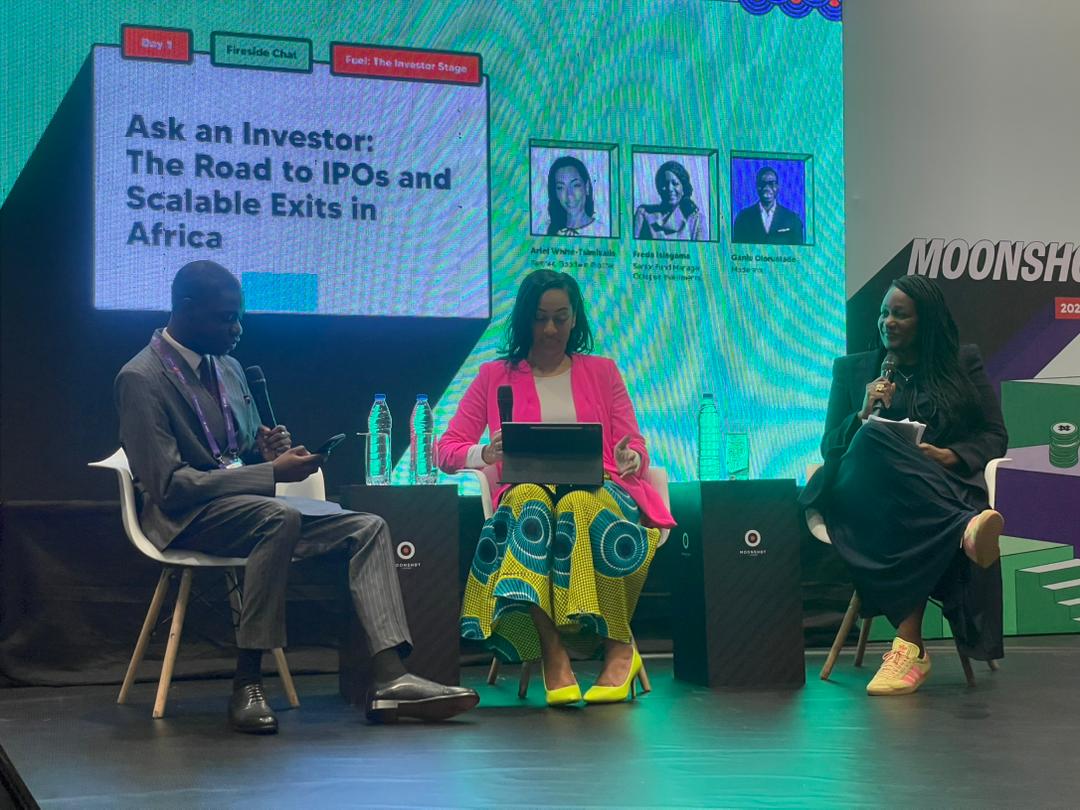
The landscape for startup exits in Africa remains underdeveloped, largely because many entrepreneurs are not adequately prepared for the process. During the “State of Exits in Africa” panel at Moonshot by TechCabal 2025, industry experts Freda Isingoma, Senior Fund Manager at Octopus Investments, and Ariel White-Tsimikalis, Partner at Goodwin Procter, highlighted that despite an increase in funding rounds, successful exits via acquisitions or IPOs are still uncommon.
The core challenge, they explained, is that numerous startups are not structured with exit strategies in mind. Issues such as fragmented ownership, weak corporate governance, and insufficient documentation mean that while companies may grow rapidly, they often lack the foundational elements that make them attractive and transferable to potential buyers.
White-Tsimikalis pointed out, “Many founders concentrate solely on immediate milestones like securing the next round of funding. However, it’s crucial to develop a business with a long-term vision, incorporating solid frameworks and operational protocols from the outset.”
According to data from Africa: The Big Deal, there were 19 tech startup exits across the continent in 2023. Mergers and Acquisitions (M&A) remain the predominant and most feasible route for founders and investors to realize returns.
One common oversight among African entrepreneurs is the lack of early-stage preparation for exit opportunities. Tsimikalis emphasized that many startups prioritize short-term capital raising but neglect the importance of establishing a sound organizational structure. Frequent warning signs include disconnected legal entities operating in different jurisdictions, inadequate intellectual property safeguards, ineffective board governance, and overall weak compliance-all factors that diminish company valuations and prolong exit timelines.
She stressed that cultivating a well-documented, compliant, and transparent foundation enables founders to proactively shape their equity narrative rather than constantly defending against perceived risks. Isingoma echoed this sentiment, advising that businesses should be designed from inception to attract potential acquirers or public market investors well before an exit is imminent.
Isingoma also suggested practical pathways for smaller growth-stage companies, highlighting international markets as viable options for earlier public listings. She noted that expanding local capital availability, particularly at Series B and C funding rounds, would significantly enhance exit prospects. Drawing inspiration from the UK’s Alternative Investment Market (AIM)-a platform tailored for smaller, high-growth enterprises with streamlined regulatory demands-she encouraged African startups to explore similar avenues. Establishing an equity line on a global exchange could provide liquidity, access to institutional capital, and simultaneously support domestic operations.
Ultimately, the panel concurred that successful exits require intentional planning. Founders who embed exit-readiness into their companies-through clear legal structures, strong governance, defensible intellectual property, and a compelling equity story-will unlock liquidity and position their ventures as attractive investments both locally and internationally.