


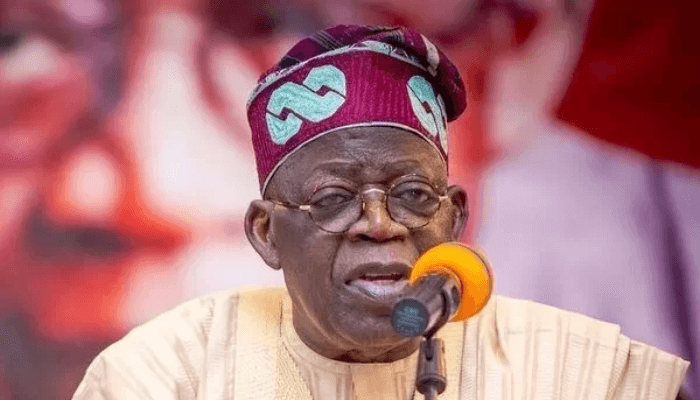
Presidential decisions often ignite debate, and President Tinubu‘s recent clemency granted to 175 inmates-many convicted of serious offenses such as drug trafficking, murder, and corruption-has stirred significant controversy nationwide. The core of the dispute lies in the nature of the crimes committed by those pardoned, prompting widespread skepticism about the prudence behind extending mercy to individuals guilty of grave offenses. However, the list also includes less contentious cases, such as the posthumous pardon of Major General Mamman Jiya Vatsa, who was executed in 1986 following a treason conviction.
Vatsa’s family had long advocated for this act of forgiveness, and President Tinubu’s decision likely brings them a measure of solace. Many Nigerians have doubted the legitimacy of the treason charges against Vatsa, viewing his execution alongside other officers as a dark chapter in the nation’s history. I recall during my NYSC service in Jalingo how the news of his death sentence shocked the entire corps, with many believing it was a politically motivated act by the Babangida regime.
In his memoir released earlier this year, General Babangida maintained that a genuine coup plot existed, attributing it to Vatsa’s persistent envy and rivalry. Babangida expressed no regret, claiming he had tolerated Vatsa’s behavior despite his jealousy over Babangida’s career advancements, including his appointment to the Supreme Military Council under General Murtala Muhammed. This narrative, however, strikes many as implausible and self-serving. Regardless, Tinubu’s pardon of Vatsa stands as a symbolic gesture, regardless of its practical implications.
The most contentious aspect of the clemency involves four individuals, notably former House of Representatives member Farouk Lawan and Maryam Sanda, who was sentenced to death for the murder of her husband, Bilyaminu Bello, son of ex-PDP chairman Haliru Bello. Lawan’s conviction stemmed from accepting a $500,000 bribe from businessman Femi Otedola. Initially sentenced to seven years, his term was later reduced to five years by the Court of Appeal and upheld by the Supreme Court. His pardon has been widely criticized as undermining anti-corruption efforts and demoralizing agencies like the EFCC that tirelessly combat graft.
Maryam Sanda’s pardon has also provoked strong backlash, given the prominence of her late husband’s family and the violent nature of the crime. Although her legal team appealed the conviction, the Court of Appeal dismissed the case in 2020, and the Supreme Court had yet to rule when the pardon was granted. The presidency justified the clemency by citing her remorse, good behavior, and the welfare of her two young children. Yet, many view this rationale as inadequate, arguing that a person capable of such violence is unfit to care for her children, who might be better raised by relatives or foster families under state supervision in more just societies.
Additional pardons were extended to individuals like Mrs. Anastasia Daniel Nwaobia, Barrister Hussaini Umar, and Ayinla Saadu Alanamu, reportedly to facilitate their reintegration into society after demonstrating genuine remorse. Among the pardoned were seventy people convicted of drug offenses, including Nweke Francis Chibueze, serving a life sentence for cocaine trafficking, and Dr. Nwogu Peters, who had completed twelve years of a seventeen-year fraud sentence. The predominance of drug-related offenders on the list has raised eyebrows, with some Nigerians speculating about a possible link to President Tinubu’s past experiences in Chicago during the 1970s and 1980s. Whether or not this connection exists, these pardons risk weakening Nigeria’s fight against narcotics and may send a dangerous message to potential offenders.
Moreover, twenty-two individuals convicted of murder, manslaughter, or other violent crimes were also pardoned, sparking concerns about the disregard for victims and their families. The inclusion of high-profile figures convicted of corruption and financial crimes, such as Farouk Lawan, has fueled suspicions that the clemency was influenced by personal connections or political clout rather than purely humanitarian considerations.
The public reaction has been overwhelmingly negative, with many Nigerians expressing disappointment and questioning the president’s judgment on social media platforms. Civil society organizations, including the Human Rights Writers Association of Nigeria, have condemned the pardons, warning about their potential impact on justice and national security. Former Vice President Atiku Abubakar also criticized the move, arguing that it undermines the rule of law and encourages criminal behavior. Regardless of political or ethnic affiliations, Nigerians must unite in opposing actions that weaken our institutions and glorify wrongdoing.