



Greetings,
Here is the latest update for you:
- The Central Bank of Nigeria (CBN) is set to transform the POS industry.
- Wakanow expands its services by acquiring Nairabox, a digital platform for events and ticketing.
- CBN introduces stricter guidelines: Mandating one ATM per 5,000 payment cards.
Wakanow Enters Digital Ticketing Market with Nairabox Acquisition

What’s the update? Wakanow, a frontrunner in Nigeria’s travel tech space, has acquired Nairabox, a user-friendly mobile platform that simplifies purchasing tickets for movies and live entertainment.
How does this acquisition benefit Wakanow? This move allows Wakanow to diversify beyond flight and hotel bookings by integrating entertainment options into its platform. Travelers can now seamlessly organize their entire journey-from flights and accommodations to securing tickets for concerts, plays, and other local events-within a single app. This strategic expansion positions Wakanow as a comprehensive lifestyle service provider.
Why is this significant? The boundaries between travel, finance, and entertainment are increasingly blending. Wakanow’s merger with Nairabox reflects this trend, streamlining the customer experience by consolidating multiple services. Imagine planning a weekend getaway where you can book your transport, lodging, and evening entertainment without switching between different applications.
For Nairabox, this partnership means access to a broader user base and enhanced operational resources. Meanwhile, Wakanow stands to increase user engagement and generate new revenue streams beyond traditional travel services.
CBN’s New Regulations to Reshape Nigeria’s POS Agent Landscape

The POS agent sector in Nigeria is facing a pivotal transformation. The Central Bank of Nigeria has decreed that POS agents must now align exclusively with a single principal provider. This new rule means agents who once operated multiple terminals from firms like Moniepoint, OPay, and PalmPay must now select a single provider to represent.
What impact will this have? Traditionally, POS agents have juggled multiple terminals from different companies to maintain uninterrupted service and maximize earnings. This exclusivity mandate is likely to encourage market consolidation, favoring larger companies with robust infrastructure and faster connectivity, potentially marginalizing smaller operators.
Additional insights: Consumer behavior is evolving, with a growing preference for instant digital transfers over card-based withdrawals. This shift could gradually diminish reliance on POS terminals, signaling a fundamental change in the agent banking ecosystem.
For a comprehensive analysis of how these new rules might affect competition and service quality, check out Chimgozirim’s detailed report here.
CBN Enforces One ATM per 5,000 Payment Cards Rule
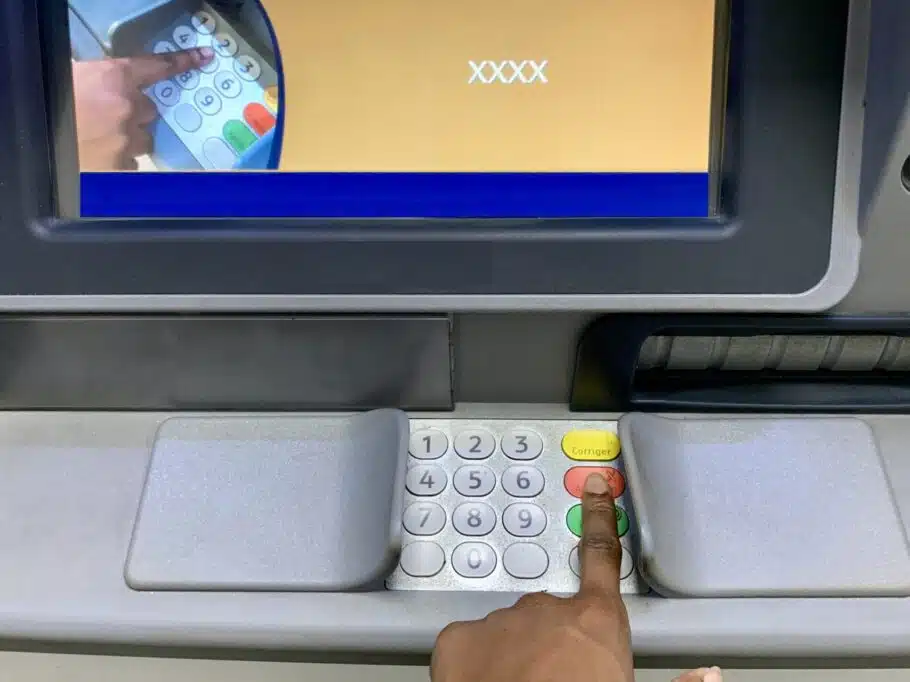
What’s new? The Central Bank of Nigeria has introduced a directive requiring banks and independent ATM operators to maintain a ratio of one ATM for every 5,000 active payment cards. This policy demands a significant expansion of ATM infrastructure across the country.
Why implement this now? Nigeria currently has approximately 16,714 ATMs, but the volume of payment cards in circulation suggests the nation should have nearly 64,000 ATMs to comply with this new standard.
Additionally, the CBN has imposed a daily transaction limit of ₦1.2 million on PoS terminals to enhance security and regulatory oversight.
What are the implications? Financial institutions will be compelled to invest heavily in increasing ATM availability, particularly in rural and underserved regions. They must also ensure that ATMs are accessible to all users, including those with disabilities, and implement real-time cash monitoring systems.
This initiative could rebalance cash access in Nigeria, potentially revitalizing ATM usage after years of PoS dominance. However, the financial strain on smaller banks and operators remains a considerable hurdle.
Stay informed and have a successful week ahead!
Bolu Abiodun for Techpoint Africa.