


The African film industry is experiencing a significant shift in its economic framework. Creators are increasingly moving away from traditional, often limiting distribution channels, opting instead for innovative digital direct-to-consumer models that prioritize seamless user experiences and aim to reach audiences across the entire continent.
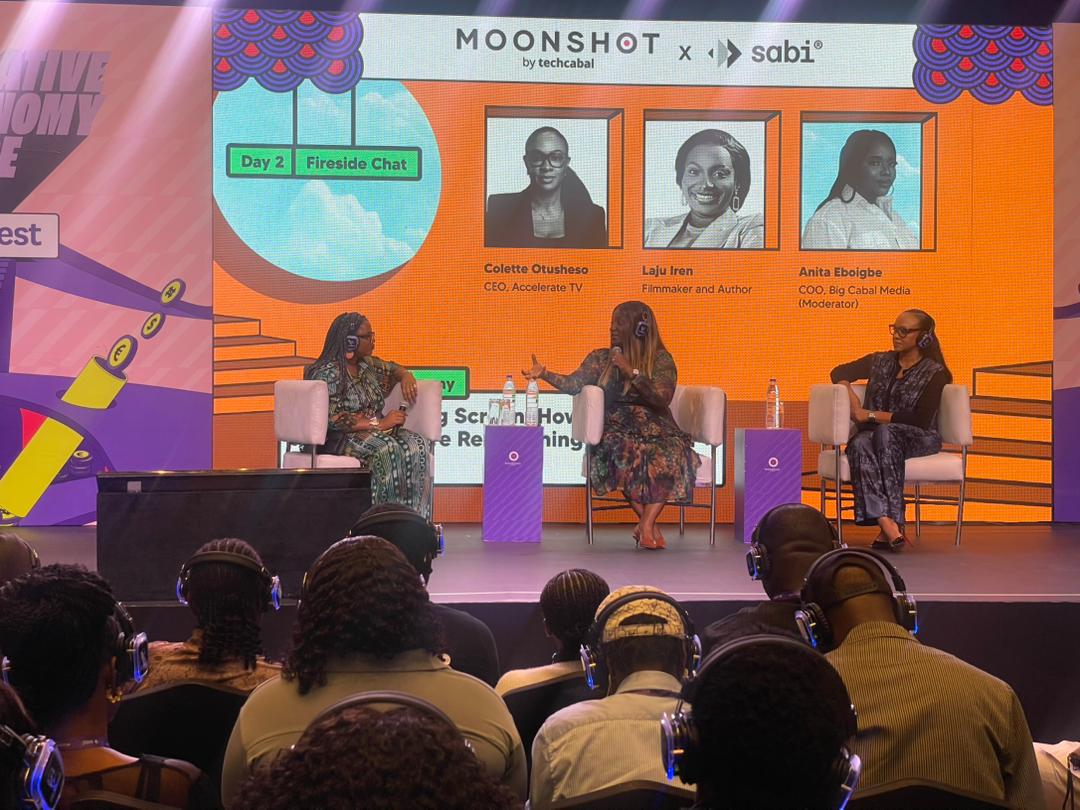
Nigerian filmmaker Laju Iren highlighted that, beyond platforms such as YouTube, the industry seldom operates on a direct business-to-consumer basis. Traditionally, the process involves a chain from producer to distributor, which often restricts creative control and revenue for filmmakers. She advocates for a paradigm shift toward engaging audiences directly to enhance both influence and income.
This perspective was a focal point during the Moonshot panel titled “Beyond the big screen: How African filmmakers are redefining cinema.”
Colette Otusheso, CEO of Accelerate TV, stressed the importance of market insight and responsiveness. She advised filmmakers to “understand your audience deeply and craft content that resonates with their desires, not just their needs. This strategy is key to building a dedicated fan base.”
The rise of digital distribution platforms has challenged the long-standing control of traditional distributors. A UNESCO report on the African Film Industry notes that the digital transformation, accelerated by the COVID-19 pandemic, has empowered local filmmakers to bypass conventional distribution hurdles and connect directly with their audiences.
Iren recounted her early ventures into digital sales, where she utilized YouTube to showcase her films. This approach illustrates how launching with smaller, exclusively digital projects can be an effective method to generate revenue and build a following before committing to larger productions.
Otusheso also underscored the necessity for filmmakers to be proactive in securing financial resources and forming brand collaborations. She encouraged creators to confidently initiate partnerships, noting, “When we take the lead in approaching brands, the relationship eventually reverses, with brands seeking us out.”
Ultimately, African filmmakers are encouraged to embrace their roles as innovative entrepreneurs. By leveraging short-form content to expand their reach, focusing on monetization and anti-piracy strategies, and producing content that appeals to diverse African audiences, they can unlock broader market opportunities across the continent.