


Within a modest office in Lagos’ Opebi neighborhood, a dedicated team of young engineers is deeply engaged with their computer screens, analyzing intricate circuit diagrams, verification workflows, coding scripts, and simulation models. Their work involves crafting the foundational designs that could eventually power a wide array of devices-from automobiles and smartphones to laptops and advanced AI technologies worldwide.
This space serves as the headquarters for ChipMango, a US-based startup with a visionary goal: to establish Africa as a key player in the global semiconductor arena. Semiconductors, often described as the core intelligence behind modern electronics, are embedded in everything from mobile phones and computers to vehicles and wearable health trackers. While the physical chips are tangible products, the true innovation lies in their design-the complex architecture that dictates a chip’s capabilities and efficiency.
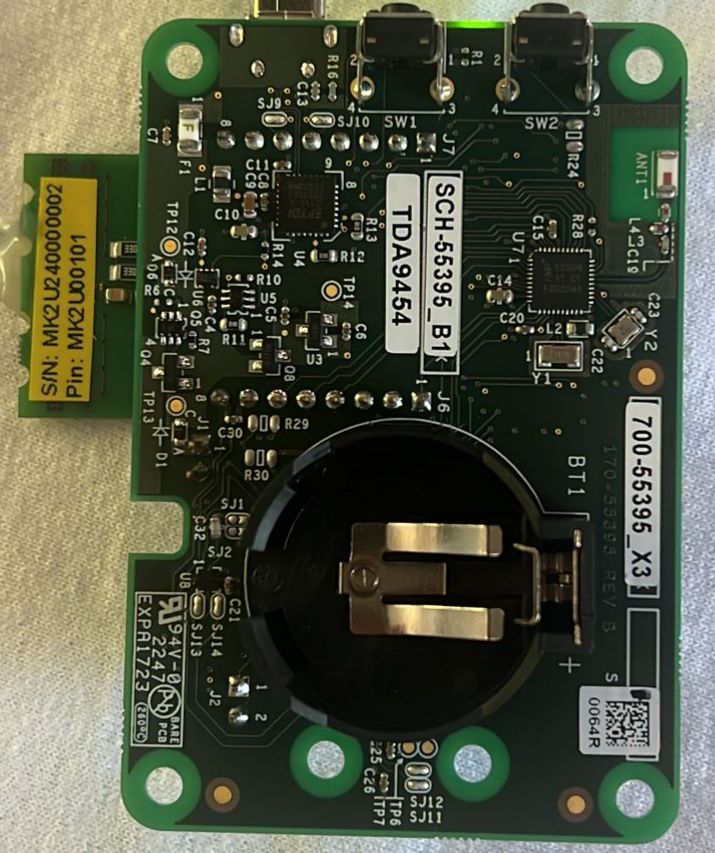
Unlike traditional chip manufacturers, ChipMango focuses exclusively on the design and validation stages that precede the actual fabrication of semiconductor chips.
The 2020 Chip Crisis
ChipMango’s emergence is a direct reaction to the intersection of global demand and regional opportunity. The semiconductor market, projected to be worth $681.05 billion in 2024, has seen unprecedented growth fueled by the world’s increasing reliance on electronic devices.
The semiconductor shortage between 2020 and 2023 highlighted the fragility of global supply chains, which were heavily concentrated in a few manufacturing regions. The COVID-19 pandemic caused widespread disruptions: factories either shut down or operated with limited staff, while demand for electronics like laptops and tablets surged. This imbalance forced automotive giants such as Ford, BMW, and Honda to reduce or pause production due to insufficient chip supplies.
As demand intensified, especially with the rapid expansion of AI technologies, companies worldwide sought additional design and verification resources. Rising labor costs and technological progress in Asia made outsourcing more expensive, creating a window for emerging regions with skilled engineers and cost advantages.
For ChipMango’s founders, Ola Fadiran and Jovan Andjelich, this presented a unique chance. “Most of this work was heading to India,” Fadiran recalls. “We asked ourselves, why not bring this expertise to Africa?”
A Homegrown Solution to a Global Challenge
For many Nigerians, the concept of designing semiconductor chips locally once seemed far-fetched, a domain reserved for engineers in tech hubs like Silicon Valley. However, Fadiran and Andjelich recognized that the gap was less about talent and more about opportunity.
The duo’s diverse experience underpins their venture: Fadiran’s background includes design and architecture roles at Intel and Boeing, while Andjelich has overseen Google’s mobile chip operations and contributed to Tesla’s vehicle production scale-up. In 2021, they began strategizing how to cultivate chip design capabilities within Africa. Their plan leveraged Nigeria’s existing strengths-talented engineering graduates, a burgeoning tech ecosystem, and competitive costs-as a foundation for growth.
They aimed to demonstrate that sophisticated chip design could be executed in Lagos with quality on par with global centers like Shenzhen. ChipMango officially launched in 2022, focusing on delivering premium chip designs to international clients while training Nigerian engineers to meet rigorous semiconductor industry standards. By late 2024, the company inaugurated its first secure design center in Lagos, tailored to safeguard client intellectual property.
Inside ChipMango’s Operations
ChipMango’s approach diverges from the fintech-driven startup narrative prevalent in Africa. “Our mission isn’t about financial inclusion,” Fadiran explains. “We’re building a talent hub that positions Africa at the forefront of the AI revolution.”
The company operates through two main pillars: a talent development pipeline and a chip design and verification service. Early on, the founders identified a shortage of industry-ready semiconductor engineers in Nigeria, despite strong electrical engineering programs at universities. Partnering with institutions such as the University of Lagos, Obafemi Awolowo University, and Miva Open University, ChipMango offers a curriculum combining theoretical instruction with practical projects. Trainees gain hands-on experience by working on real-world design challenges for global clients under expert guidance.
The second pillar involves the meticulous design and validation of chips, ensuring each design functions flawlessly and is customized for specific applications before fabrication. This work takes place at ChipMango’s Lagos Design Center, where I observed engineers deeply focused on their tasks.
One engineer was crafting the architecture for a chip intended for a portable ultrasound device, while another was running extensive simulations to verify a client’s design integrity. Nearby, a specialist was analyzing proprietary client data to extract specifications for a bespoke chip design.
The facility is a highly secure environment that enables collaboration with US-based clients while protecting sensitive intellectual property. “Clients guard their IP closely-it’s their competitive edge,” says Agnes Mukiya, ChipMango’s Head of Operations. “Our controlled environment and high-speed connectivity provide the trust and security they require.”
ChipMango competes with established Indian semiconductor design firms like HCL Technologies, TATA ELXSI, and FTD Infocom Pvt Limited, which benefit from decades of experience and extensive resources. However, these larger firms often come with higher costs and less flexibility. ChipMango’s lean, cloud-based software model aims to reduce chip design expenses by up to 80%, offering a cost-effective alternative.
Looking ahead, ChipMango aspires to integrate Nigeria-and eventually the broader African continent-into the global semiconductor value chain, a sector where Africa currently has minimal presence. The company also envisions designing chips tailored to African conditions, such as devices optimized to function reliably amid frequent power interruptions. Currently, ChipMango reports approximately $200,000 in annual recurring revenue and plans to expand its Lagos team to 90 engineers, supported by a $1 million pre-seed funding round.
While large-scale chip manufacturing plants remain a future prospect, the critical initial phase of chip design is already thriving quietly in Lagos. By nurturing local expertise now, ChipMango aims to ensure that when fabrication facilities eventually arrive on the continent, the necessary technical skills will be firmly in place.