


Experiencing dropped calls, delayed texts, or sluggish internet at the worst moments is frustrating. Before blaming your device, many users immediately search for the “Verizon outage map” to verify if the problem stems from the network. With millions depending on Verizon’s extensive coverage daily, even brief interruptions trigger widespread concern. This article explains how to access Verizon’s live outage map, interpret its data, and maintain connectivity during service interruptions.
In this article, you will discover:
- How to navigate the Verizon outage map to identify network issues in your vicinity
- Typical reasons behind Verizon service disruptions and their usual durations
- Effective troubleshooting techniques to eliminate device-related problems before reporting outages
- Quickest methods to notify Verizon of outages and tips to stay online meanwhile
Decoding the Verizon Outage Map
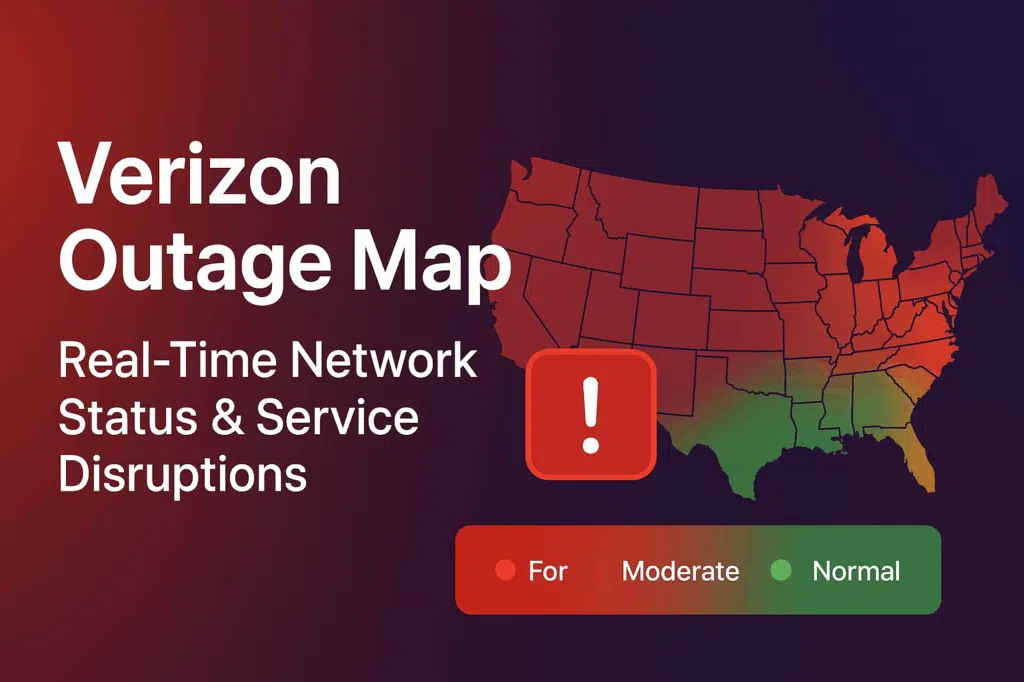
When Verizon’s network experiences problems, users seek immediate clarity. The Verizon outage map offers a live overview of reported disruptions across the United States, combining official data with user-generated reports. It highlights affected services, including Fios home internet, mobile data, and 5G coverage.
The map uses a simple color scheme for easy interpretation:
- 🔴 Red indicates severe outage zones with significant disruptions
- 🟠 Orange represents moderate levels of reported issues
- 🟢 Green signals normal, uninterrupted service
Updated every few minutes, the map aggregates information from platforms like Downdetector, social media chatter, and Verizon’s own status updates. This crowdsourced approach often reveals problems before Verizon officially acknowledges them.
Interactive features such as zooming, city searches, and timestamps allow users to track how outages evolve or resolve over time. Beyond current incidents, the map also serves as a resource for analyzing past network performance trends.
How to Monitor Verizon’s Network Status in Real Time
If your device suddenly loses signal or data connectivity, the first step is to determine whether the issue is with Verizon’s network or your equipment. Here’s how to check your connection status using Verizon’s official tools and what the results mean.
Using Verizon’s Official Network Status Checker
Verizon offers an online status checker to help customers identify known outages in their area.
Follow these steps:
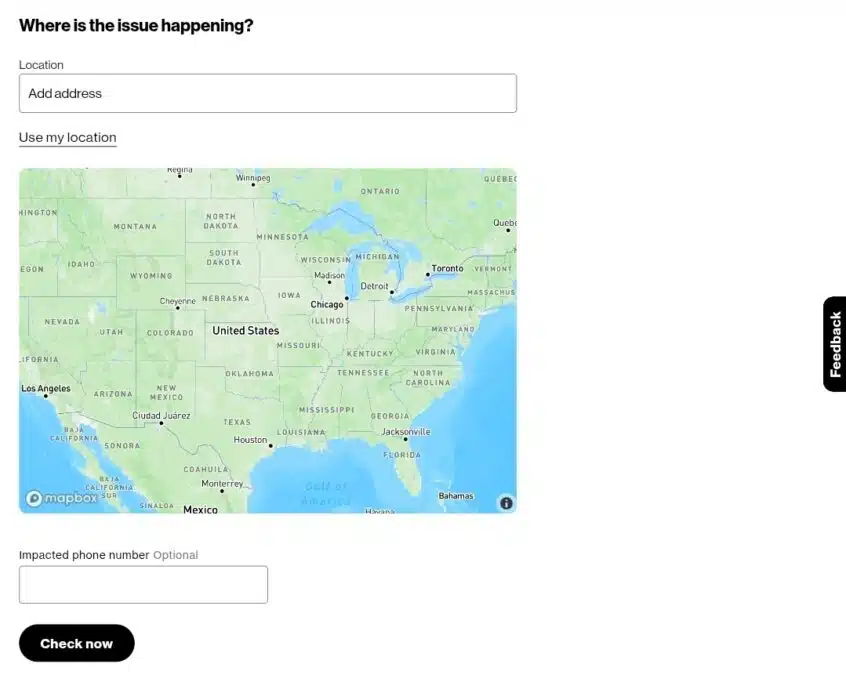
- Visit Verizon Support and select “Check Network Status.”
- Input your ZIP code or opt for “Use my location.”
- Select the relevant service category, such as Mobile or Home Internet/Fios.
- The tool will display one of the following statuses:
- All systems operational (no detected issues)
- Known outage in your region (sometimes with an estimated fix time)
- Partial service limitations (e.g., voice, data, or messaging affected)
- If you have an active repair ticket, you can also check its progress here.
Note: Fios and home internet have a dedicated status check process.
Interpreting the Status Results
- No known issues: Verizon reports no widespread problems, though localized faults may still exist.
- Known issue: An outage has been identified in your area, often with a tentative restoration timeline.
- Limited service: Certain functions like calls, data, or texts may be partially affected.
- Inconsistent reports: Some users note discrepancies where the tool flags outages despite no visible service loss.
Third-Party Outage Trackers for Early Alerts
While Verizon’s official checker is reliable, third-party platforms often detect emerging outages sooner:
- Downdetector: Offers heatmaps and real-time user reports.
- Outage.report and similar sites: Combine social media data with user feedback.
- News outlets frequently embed these maps during widespread Verizon disruptions.
For instance, during a recent outage in Atlanta, Downdetector’s map showed red zones well before Verizon’s official page updated.
Typical Verizon Service Problems
Not every connectivity hiccup signals a full Verizon outage. Often, issues stem from local factors, tower glitches, or device settings. Below are common problems users face, their symptoms, causes, and quick fixes.
| Issue | Symptoms | Likely Cause | Quick Fix |
| No Signal / “SOS Only” | Phone displays “No Service” or “SOS only.” | Maintenance on towers, regional outages, or SIM errors. | Toggle airplane mode, restart device, check if others nearby have service. |
| Data Not Loading | Calls connect but mobile internet fails. | Network congestion or backend issues. | Reset network settings or switch between 5G and LTE. |
| Slow Mobile Speeds | Signal bars appear normal but browsing is sluggish. | Overloaded cell tower or backhaul problems. | Run speed tests and compare at different locations. |
| Fios Internet Outage | WiFi disconnects or Ethernet link lost. | Fiber line damage, power outages, or router faults. | Check ONT indicator lights and reboot modem/router. |
| Dropped Calls | Calls drop unexpectedly mid-conversation. | Weak signal handoff between towers. | Move outdoors or enable WiFi calling. |
| Visual Voicemail Issues | Voicemail app fails to refresh or play messages. | Temporary server downtime. | Access voicemail via dial-in until resolved. |
Many of these glitches clear up quickly by restarting devices or toggling airplane mode. If problems persist and others nearby report similar issues, consult the Verizon outage map for confirmation.
Distinguishing Between Outages and Device Problems
It’s tempting to blame Verizon when your signal drops, but often the root cause lies with your device or account. Running through a few simple checks can save time and frustration.
Essential Troubleshooting Steps
- Restart your phone or modem; this resolves nearly 40% of reported issues.
- Toggle airplane mode on and off to refresh network connections.
- Ask friends or neighbors using Verizon if they’re experiencing similar problems.
- Verify your account is active and bills are paid.
- Update carrier settings (iPhone) or reset network settings (Android).
- Test your SIM card in another device to rule out hardware faults.
Indicators of a Verizon Network Outage
- Multiple users in your area report the same issue online.
- Verizon’s status page confirms active problems in your ZIP code.
- The outage affects all devices suddenly and simultaneously.
- Service returns when moving to a different location.
- Verizon support acknowledges ongoing maintenance or network issues.
Signs the Issue Is Device or Account Related
- You are the only person experiencing the problem.
- Rebooting and SIM swaps don’t resolve the issue.
- The problem started after physical damage or water exposure.
- Calls work over WiFi but not on cellular data, indicating settings issues.
Performing these checks before reporting can save you unnecessary waiting. Once confirmed, it’s time to notify Verizon.
How to Report a Verizon Outage
After ruling out device faults, reporting the outage helps Verizon address the problem faster and keeps you informed. Here are the most efficient ways to report issues.
Using the My Verizon App (Fastest Option)
If you have WiFi access, open the My Verizon app:
- Tap the Menu (☰) and select Report a Problem.
- Choose the relevant issue category: wireless, internet, or billing.
- Add any notes or photos, especially for Fios equipment problems.
- The app logs your report and sends updates via push notifications.
Via Verizon’s Website
Log in to Verizon Support online:
- Navigate to Network & Service Issues.
- Follow prompts to confirm an outage or open a repair ticket.
- Receive updates as your case progresses.
Contacting Customer Service by Phone
If internet access is unavailable, call:
- Wireless support: 1-800-922-0204
- Fios/Home Internet: 1-800-VERIZON (1-800-837-4966)
- Business customers: 1-800-VZ-BIZ-4U (1-800-829-4948)
Tip: Use WiFi calling if your cellular connection is down.
Social Media Assistance
Verizon’s support teams are active on X (Twitter) @VerizonSupport and Facebook:
- Send a direct message with your ZIP code, affected service, and issue start time.
- Expect replies within an hour, often faster during widespread outages.
Information to Provide When Reporting
- Your location (city, ZIP code, or address)
- Phone number or account ID
- Type of service affected (voice, data, or both)
- When the problem began
- Any error messages or recurring patterns
Supplying detailed information helps Verizon’s technicians diagnose and resolve issues more efficiently.
Common Causes of Verizon Outages
Despite Verizon’s reputation for reliability, outages occur due to various factors-some foreseeable, others unexpected. Understanding these causes helps manage expectations when disruptions arise.
Network Infrastructure Failures (Approx. 40%)
Verizon’s network depends on thousands of cell towers, fiber optic cables, and data centers:
- Fiber cuts caused by construction or animal damage can disable large areas.
- Equipment malfunctions at towers, such as power or antenna failures, are common in remote locations.
- Occasional core routing or switch failures in data centers can affect multiple states.
Repairs typically take a few hours, depending on site accessibility.
Weather-Related Interruptions (Around 25%)
Severe weather remains a major challenge:
- Hurricanes, lightning strikes, and ice storms can damage towers or flood underground fiber lines.
- Extreme heat may cause equipment overheating and temporary shutdowns.
- Heavy snow and strong winds can disrupt overhead cables and antennas.
Weather-related repairs often require more time due to safety precautions.
Software and Technical Glitches (20%)
Network operations rely heavily on software:
- Faulty firmware updates or routing errors can cause authentication failures.
- DNS or database outages may disrupt connectivity nationwide.
- These issues are usually resolved quickly by remote engineering teams.
External and Human Factors (10%)
Not all outages originate within Verizon’s infrastructure:
- Power outages, vehicle accidents, or construction mishaps can indirectly affect cell sites.
- Occasionally, cyberattacks or DDoS attempts cause regional slowdowns.
Scheduled Maintenance (5%)
Routine upgrades and maintenance typically occur overnight. Verizon usually announces these in advance, but brief service interruptions may still occur during hardware swaps or 5G node installations.
Typical Outage Durations
| Outage Type | Average Repair Time |
| Local tower malfunction | 2-6 hours |
| Fiber optic cable damage | 4-8 hours |
| Regional network disruption | 6-12 hours |
| Major nationwide outage | 12-24 hours |
| Weather-related damage | 1-5 days |
| Planned maintenance | 2-4 hours (overnight) |
Repair times depend on site accessibility, parts availability, and weather conditions.
Tips for Managing During an Outage
When the outage map confirms a Verizon disruption, focus on alternative ways to stay connected until service is restored.
If Verizon Wireless Service Is Interrupted
- Enable WiFi Calling: Activate this feature via Settings → Phone → WiFi Calling to make calls over WiFi networks.
- Use Messaging Apps: Platforms like WhatsApp, Signal, Telegram, and Messenger work well on WiFi.
- Switch SIMs: If your phone supports dual SIMs, use your secondary carrier temporarily.
- Activate Data Roaming: If your plan permits, this can connect you to partner networks nearby.
If Your Fios or Home Internet Is Down
- Use Mobile Hotspot: Share your phone’s data connection with other devices.
- Visit Public WiFi Locations: Libraries, cafés, and coworking spaces offer reliable internet access.
- Restart Equipment: Power cycle your router and Optical Network Terminal (ONT).
- Work Offline: Download files in advance and continue working without internet.
For Businesses and Remote Workers
- Activate backup internet services or mobile hotspots.
- Forward calls to mobile or VoIP numbers to maintain client communication.
- Document downtime to potentially claim service credits from Verizon.
Prepare for Future Outages
- Keep portable chargers ready for your devices and modems.
- Consider a dual-carrier setup for redundancy.
- Subscribe to Verizon outage alerts via your account or app notifications.
Being proactive helps minimize disruption, especially for work or emergencies.
Verizon’s Network Reliability Compared to Competitors
During outages, it’s natural to wonder if other carriers perform better. Verizon remains a leader in coverage and reliability, though competitors have made strides. Below is a comparison based on 2024 data from Ookla and the FCC’s Network Outage Reporting System.
| Carrier | Average Annual Downtime | Major Outages in 2024 | Reliability Score |
| Verizon | 7.5 hours | 4 | 99.92% |
| AT&T | 9.2 hours | 6 | 99.88% |
| T-Mobile | 8.7 hours | 5 | 99.89% |
| Industry Average | 10+ hours | 6-8 | 99.85% |
Verizon’s Strengths
- Broadest 4G LTE and 5G Ultra Wideband coverage across urban and rural areas.
- Rapid outage resolution due to extensive maintenance resources.
- Robust fiber infrastructure (Fios) providing stable home internet in many cities.
Areas for Improvement
- Network congestion during peak hours in densely populated areas.
- Legacy DSL infrastructure in some regions prone to brief interruptions.
- Larger customer base means outages can impact more users visibly.
Overall, Verizon’s network remains among the most dependable in the U.S., supported by ongoing 5G expansion and infrastructure investments.
Key Takeaways
- The Verizon outage map provides near real-time insight into service disruptions, often ahead of official announcements.
- Always perform basic troubleshooting first, as many issues are device or account related.
- When outages are confirmed, report them promptly and use WiFi calling or alternative connections to stay online.
Conclusion
Network interruptions are inevitable, but having accurate information makes managing them easier. Utilizing the Verizon outage map helps you understand the scope of issues, avoid unnecessary troubleshooting, and plan accordingly. If your area shows disruptions, report the problem through Verizon’s app or website and monitor updates. Keep this guide handy so you’re prepared the next time your service experiences a hiccup.