


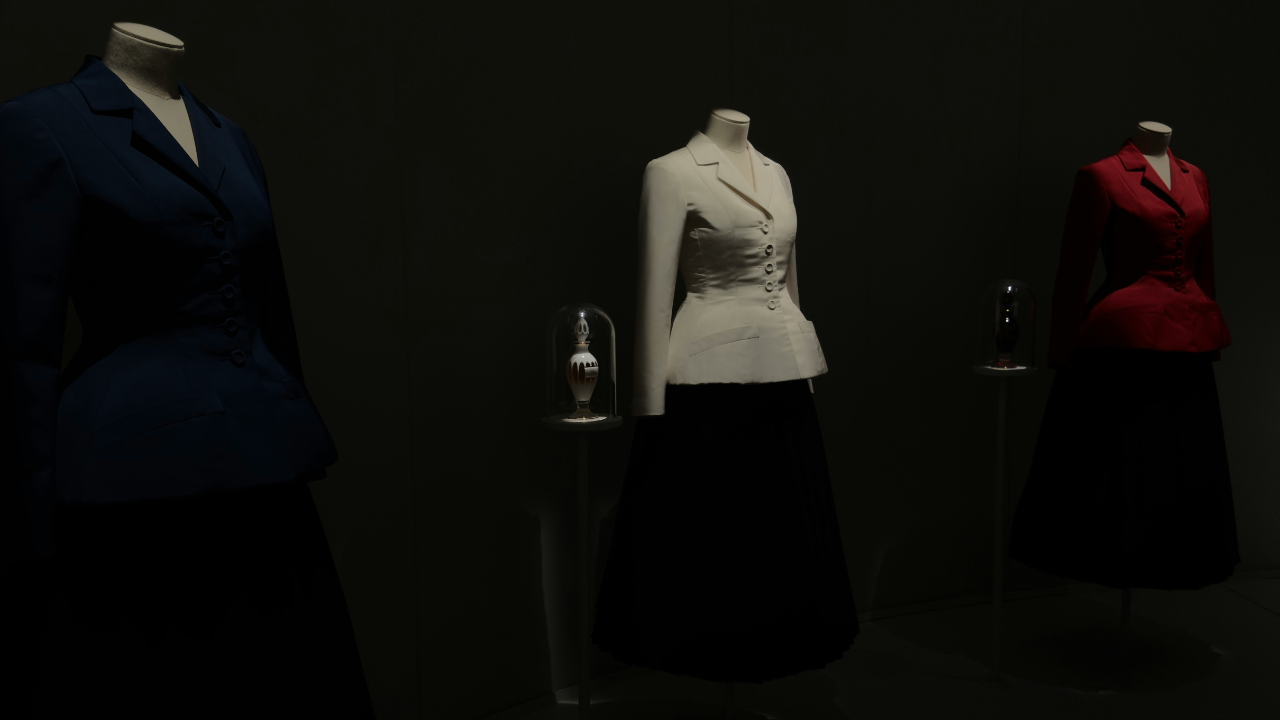
Every year, more than $400 billion worth of clothing is prematurely discarded long before reaching the end of its intended lifespan. Among the many culprits, pollution and sweat are the most insidious. Designer dresses, in particular, can lose their value permanently when exposed to these damaging factors. Their worth depends not only on craftsmanship and rarity but also on condition. If you collect designer or vintage items and would like to ensure you can enjoy them for many years, safeguarding each piece requires proactive care and thoughtful preservation.
The Hidden Damage Caused by Sweat and Body Oils
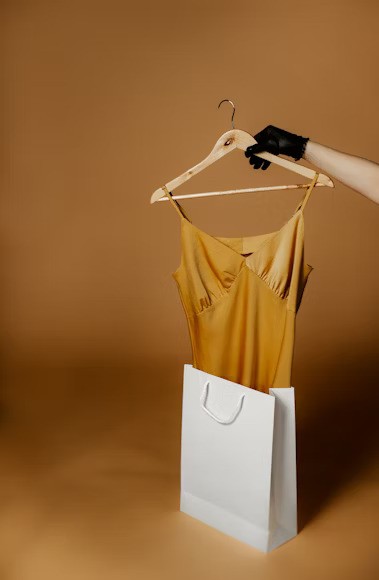
If you have an heirloom fashion item, perhaps a grandmother’s wedding gown or a vintage couture piece, it’s worth inspecting for subtle signs of discoloration and staining. Sweat contains salts, minerals, and oils that can leave stubborn white or yellow marks, especially around the neckline, armpits, and back. On delicate fabrics like silk, these stains are particularly difficult to reverse.
Prompt professional cleaning is critical. Fresh sweat, body oils, and makeup residues can often be removed if treated quickly. However, for vintage or bridal garments, it is essential to invest in professional antique or wedding dress cleaning and preservation services. These professionals use gentle chemical baths to lift yellowing and oxidation without compromising fragile fibers—a process that can effectively restore brightness and texture.
When Neglect Attracts Pests
Beyond stains, uncleaned garments can become a feast for pests. Left unchecked, these garments can attract moths and other pests whose larvae feed on natural fibers. Fabrics like wool and silk, made from animal proteins such as keratin and fibroin, are especially vulnerable. These pests thrive in quiet, dark spaces, making infrequently worn designer dresses an easy target. Keeping your garments impeccably clean is one of the simplest ways to deter these destructive visitors.
Pollution and the Slow Erosion of Fabric
Air pollution poses an equally silent but potent threat. Studies have shown that airborne particles accelerate the degradation of natural cellulose fibers like cotton. Though invisible, these microscopic pollutants settle on fabrics and act like fine sandpaper, cutting fibers each time the garment is folded or moved.
For designer pieces crafted from silk, fine cotton, or wool, pollution exposure can mean irreversible harm. Smog, smoke, and industrial emissions carry acidic compounds that strip dyes, weaken threads, and cause fading or yellowing over time. Even worse, these particles can embed odors from smoke, food, or the environment, making clothes feel aged long before they are.
How to Keep Designer Dresses in Pristine Condition
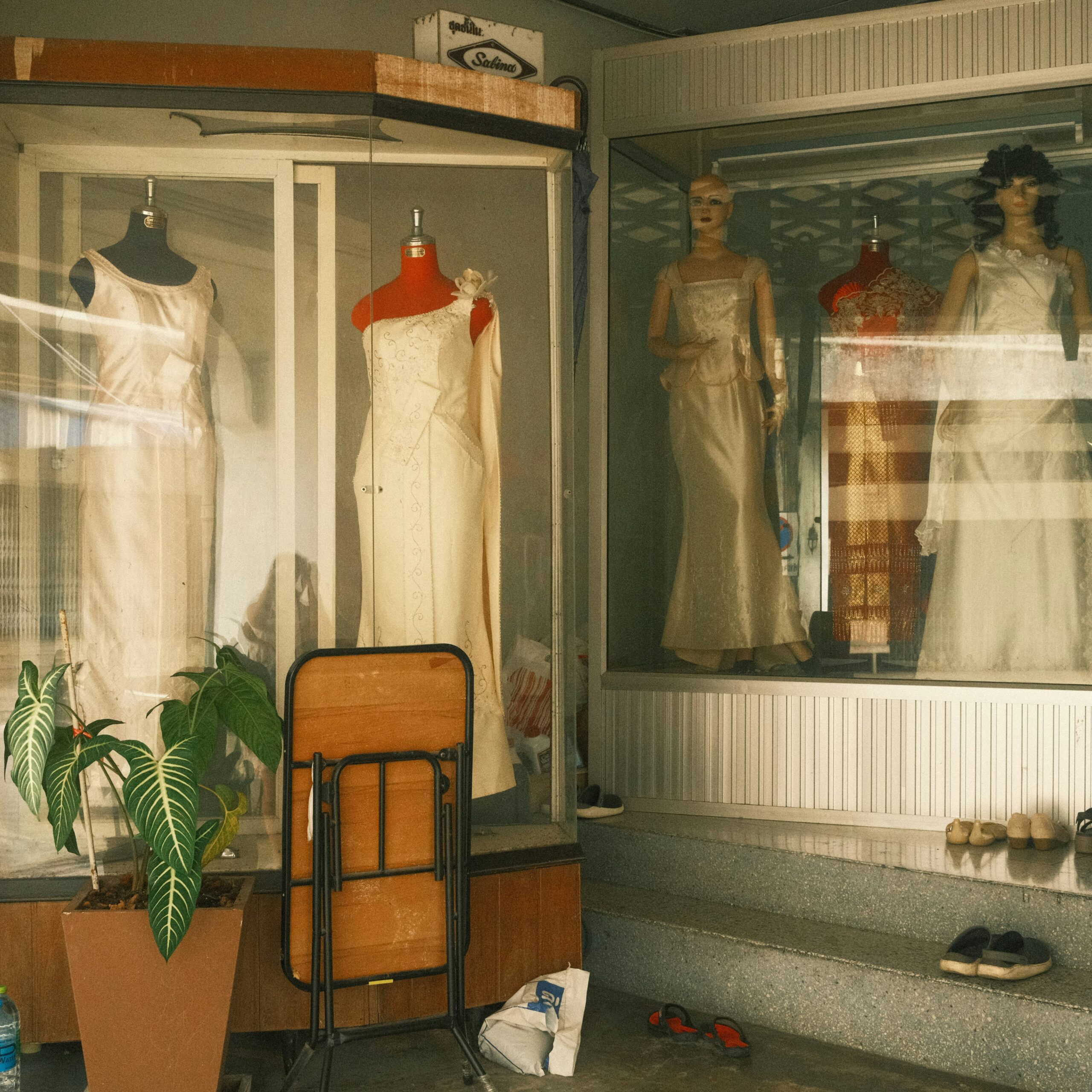
To preserve your garments’ value and beauty, prevention is everything. Start by avoiding airtight plastic containers—they trap moisture and encourage mold or yellowing. Instead, wrap your dresses in acid-free, pH-neutral tissue paper, and store them in acid-free preservation boxes designed to prevent chemical reactions within the fabric.
Maintain storage spaces that are cool, dark, and stable in both temperature and humidity. Skip the attic and basement; instead, choose an interior closet away from direct sunlight. Additionally, when transporting couture, use breathable garment bags and handle pieces with white cotton gloves to prevent transferring oil or dirt from your hands.
A Final Note on Fashion as an Investment
Designer dresses often represent more than style. They’re investments in artistry and history. To protect that investment, don’t let pollution or body oils quietly devalue them. Always take your garments to a professional cleaner shortly after wearing them, and store them mindfully using archival-quality materials.
With careful attention and preservation, your most prized pieces can remain as timeless and valuable as the day you first fell in love with them.
Featured Image: G./Unsplash
For the latest in fashion, lifestyle, and culture, follow us on Instagram @StyleRave_
—Read also
