



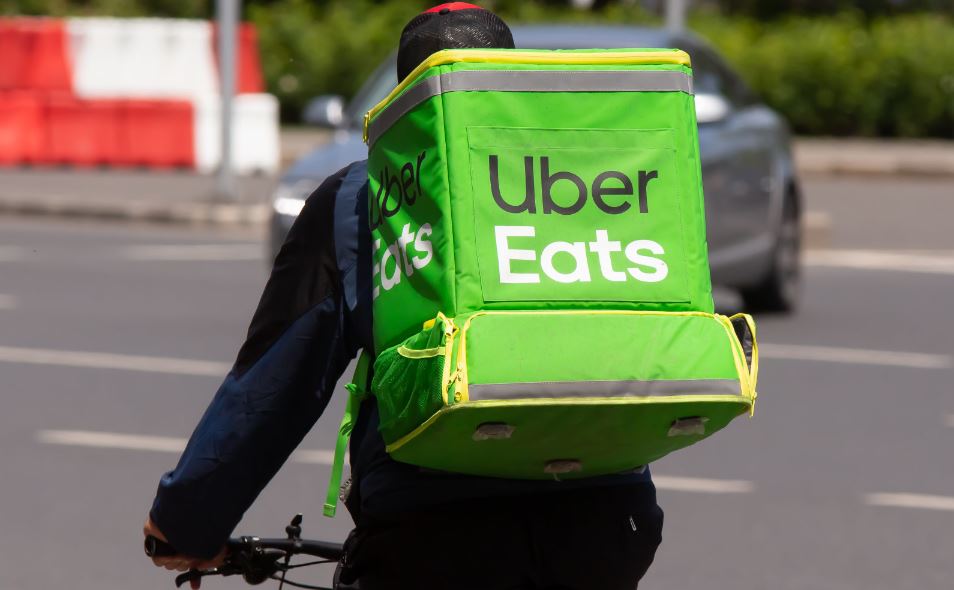
By some 21st-century sorcery, humans can tap on OLED screens, and in minutes, food arrives at their doorsteps. And it seems we’re taking full advantage of how this magic makes our lives easier.
In Uber Eats’ latest Cravings Report (fitting name), the food delivery service noted that Kenyans saved more than 448,000 hours ordering food online instead of cooking. One customer placed 718 orders, nearly twice a day, while another customer spent KES 1.8 million ($14,000) on high-value orders. The highest single-order spend also crossed KES 291,000 ($2,260) with a customer splurging on drinks and fast food.
It seems consumers are becoming more reliant on food and grocery delivery services. This year, we also saw other food-tech startups, like Nigeria’s Chowdeck, reach new milestones. After expanding to Ghana, Chowdeck crossed 2 million registered users.
Globally, food delivery has matured into a scale game. Players like DoorDash, Meituan, and Uber Eats dominate by logistics density, data-driven demand prediction, and deep integrations with merchants. African startups are earlier in that curve, but the signals look familiar: rising order frequency, higher basket sizes, and regional expansion as unit economics improve.
If Kenya can generate this level of engagement for Uber Eats, Nigeria—one of Africa’s largest consumer markets—becomes harder to ignore. Years after mid-2010s false starts, better payments, improved logistics infrastructure, and demand, could finally make a serious Uber Eats Nigeria launch less speculative and more inevitable.
With a much larger ride-hailing business since the last reported figures of 2017 (bar the occasional driver protests), you’d not be remiss to say that the US ride-hailing giant has the distribution network to take on Nigerian food-delivery incumbents like Chowdeck. But first, Uber Eats has to decide whether it wants to seriously dethrone Glovo (the food delivery market leader in Kenya) or spread wide(r) to other proven markets.